What If My Contractor Bids Come In Over Budget?
Contractor bid higher than expected? Value engineering, phasing, and scope adjustments can close the gap without redesigning your landscape plan.
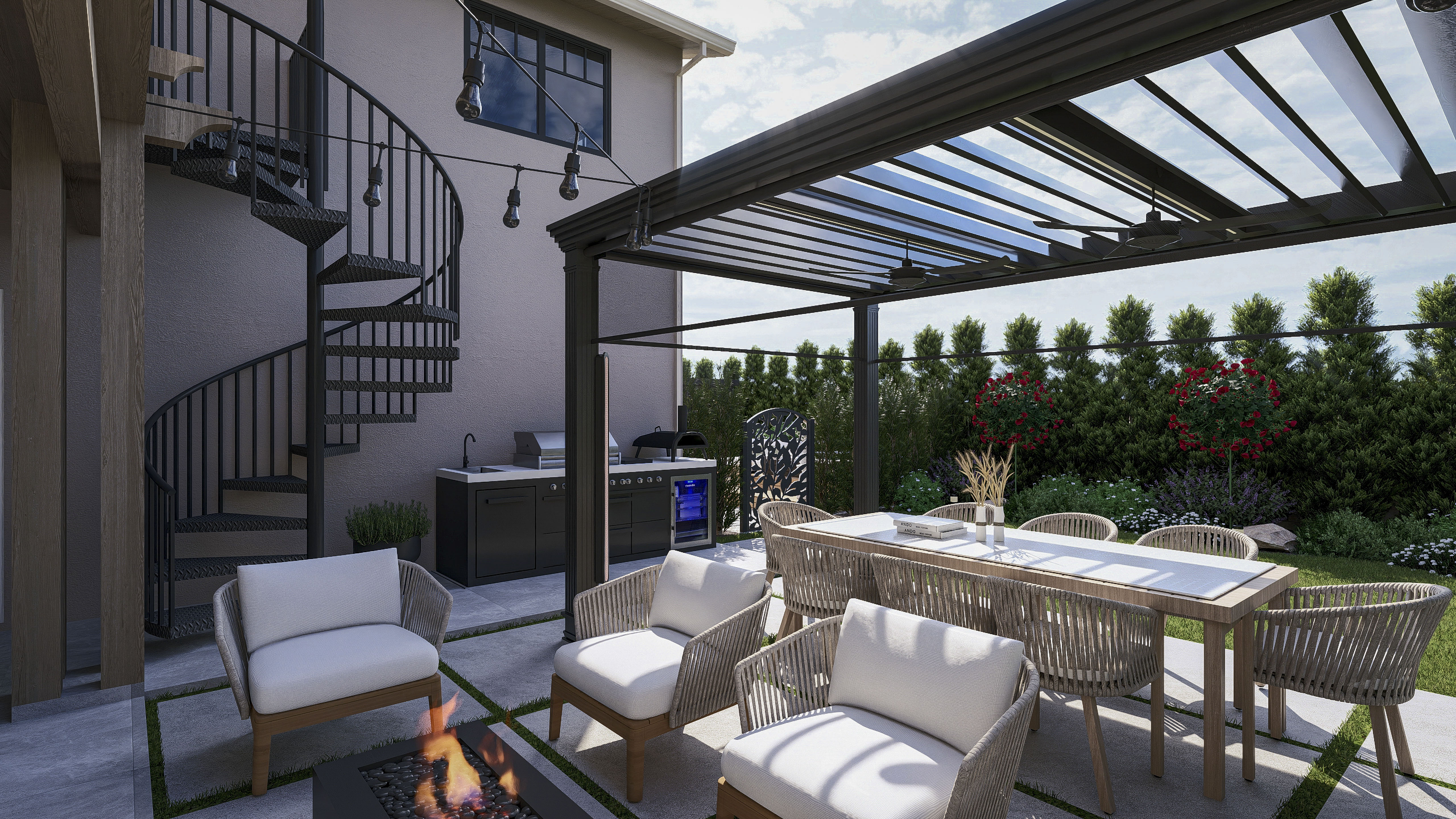
Whenever you receive contractor bids that are higher than your budget, you might get frustrated. The first thought that comes to mind is that your design plan has failed. But that's not true. Also, it doesn't mean you have to go through the whole design process again. It is quite common and actually a part of the process when you get an estimate above your targeted budget. It only needs some fixable adjustments, which rarely lead to a complete redesign process.
In this blog, we’ll help you identify why the contractor's bid gets higher than the budget and how to avoid it. Keep on reading and get to know how our professional designers at BACQYARD help you go through your outdoor landscaping process seamlessly.
Reason For The Difference Between Bids
Contractor bids vary even for the same CAD plan because of factors like overhead, labor availability, and seasonal workload. Having a professional design plan is what makes bids comparable in the first place because the contractors evaluate identical project dimensions, plant counts, and material specifications and then offer their specific quotes. However, a consistently high price across all bids simply shows that regional labor and material costs have actually increased.
For choosing the right contractor for your project, visit our guide on what to look for in a contractor.
Use Value Engineering
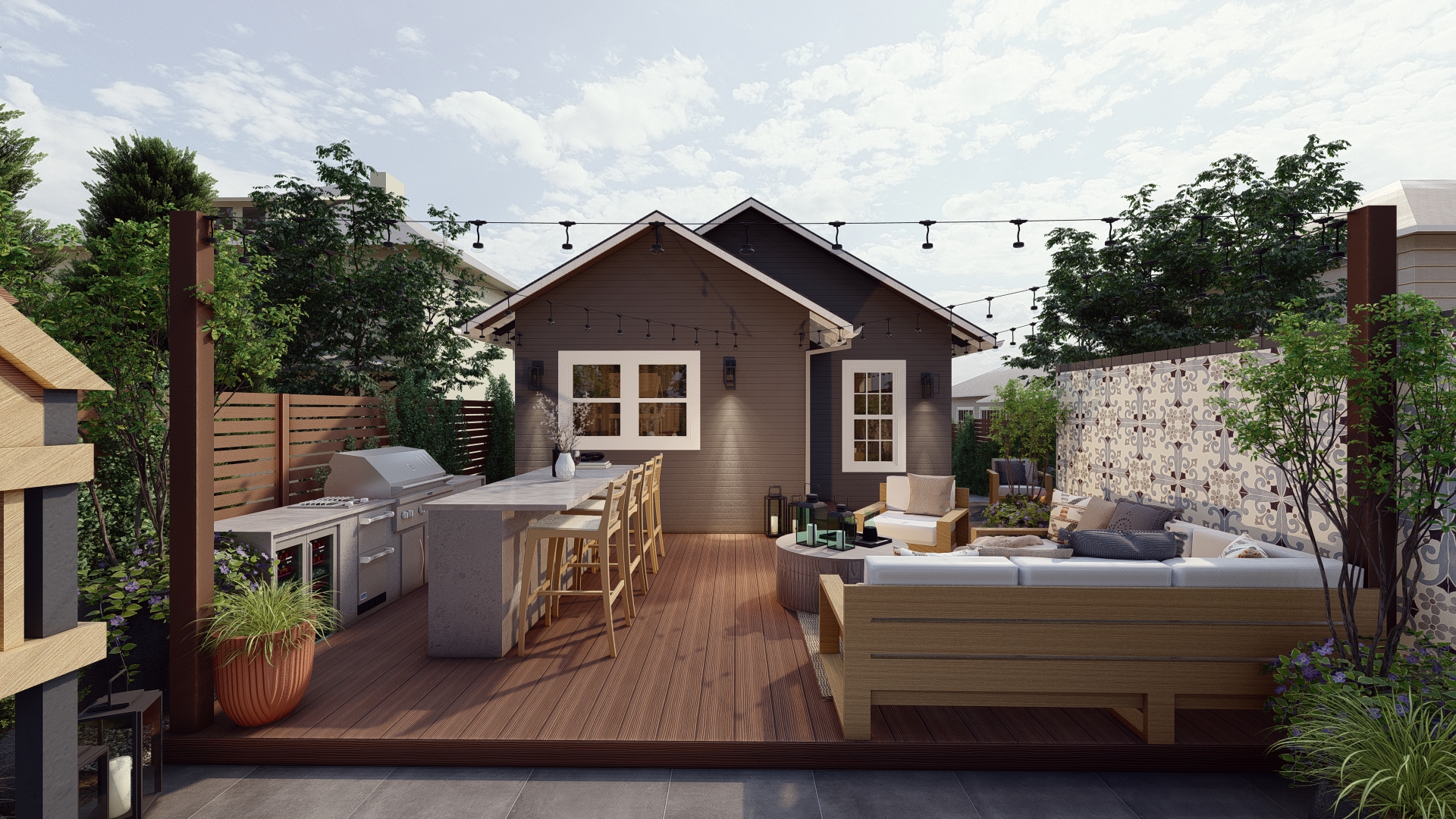
First of all, you might be wondering what ‘value engineering’ is. It means swapping high-cost materials with low-cost alternatives while keeping the same layout. For example, using manufactured stone or concrete pavers instead of costly natural bluestone pavers. It not only reduces the overall construction cost but also maintains the beauty of your living space. This approach also helps you keep the same design without making any changes to the layout. Just make sure to discuss such changes with your designer first so that they can assure you that these changes are in accordance with your design and other specific requirements.
For instance, a homeowner might get a bid for an outdoor kitchen that is around $5000 over the budget because of the specified natural stone veneer she wanted. The designer would suggest using manufactured concrete stone instead of the natural stone as an alternative. It results in a kitchen that is so eye-pleasing and also closes most of the budget gap without altering the kitchen layout.
Go For Phasing
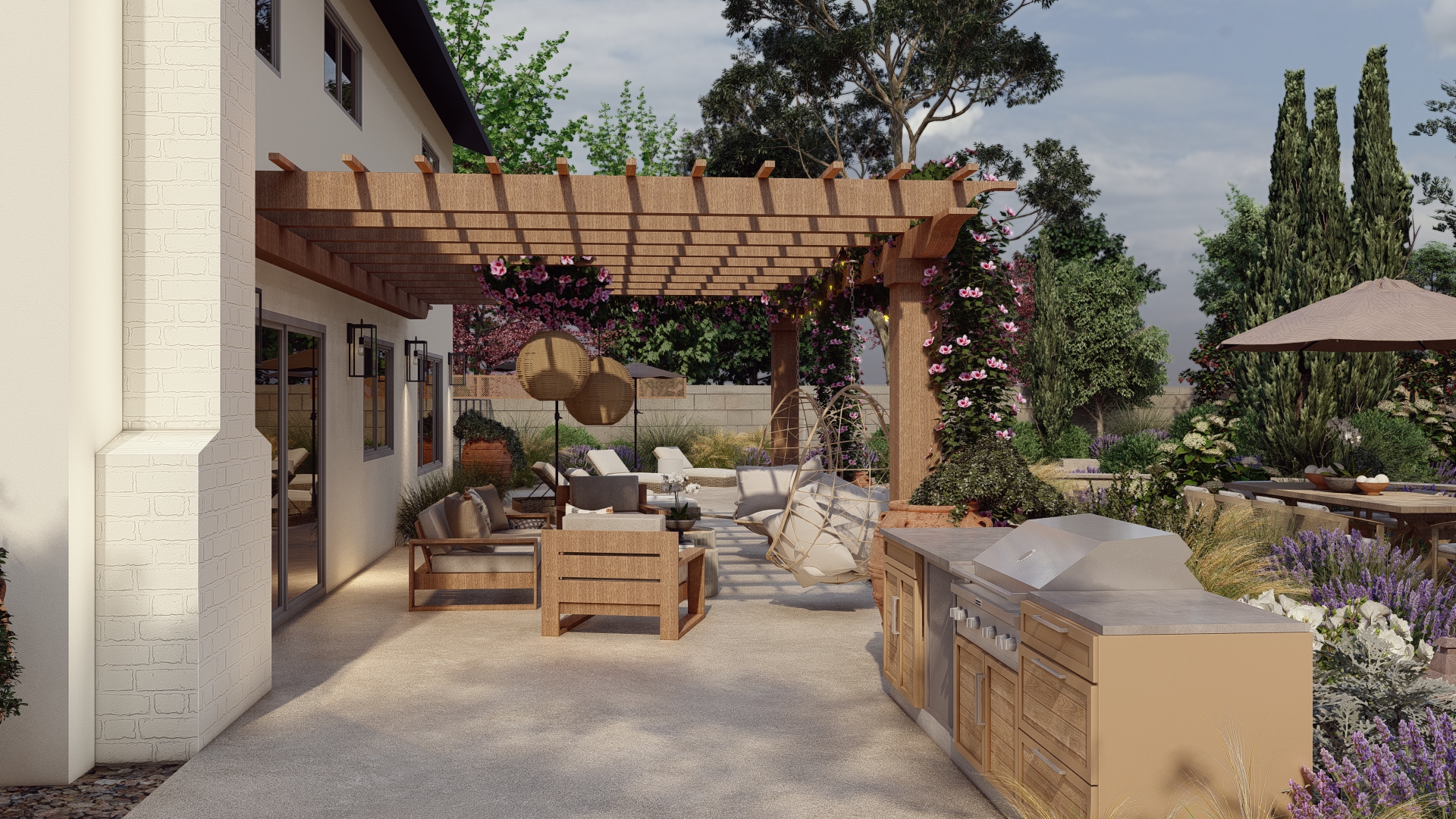
The best way to manage your landscaping cost over time is to phase your construction. It means building your living space in different steps, but each step has to be identified at the start in your detailed design plan. It ensures that foundational work gets completed first without disrupting future additions. The initial phasing includes primary hardscapes, drainage, utility runs, and grading. It then makes room for secondary phasing, like installing patios, outdoor kitchens, and fire pits, etc., in coming years. This structural phasing helps the contractors to add new elements in the future without restarting the construction work from scratch and is also quite cost-effective.
For instance, a homeowner might receive a bid of $8000 above the estimated initial budget for the backyard design. Now, instead of removing the complete outdoor kitchen from the plan, the designer might help her organize a two-year build plan by adding a patio and lounge area in the first year, with the kitchen planned as a year-two addition using the same design so nothing would need to be redone later. For better understanding how phasing works, visit our guide What to Build First When You Can't Do Everything at Once.
Adjust the Project Scope
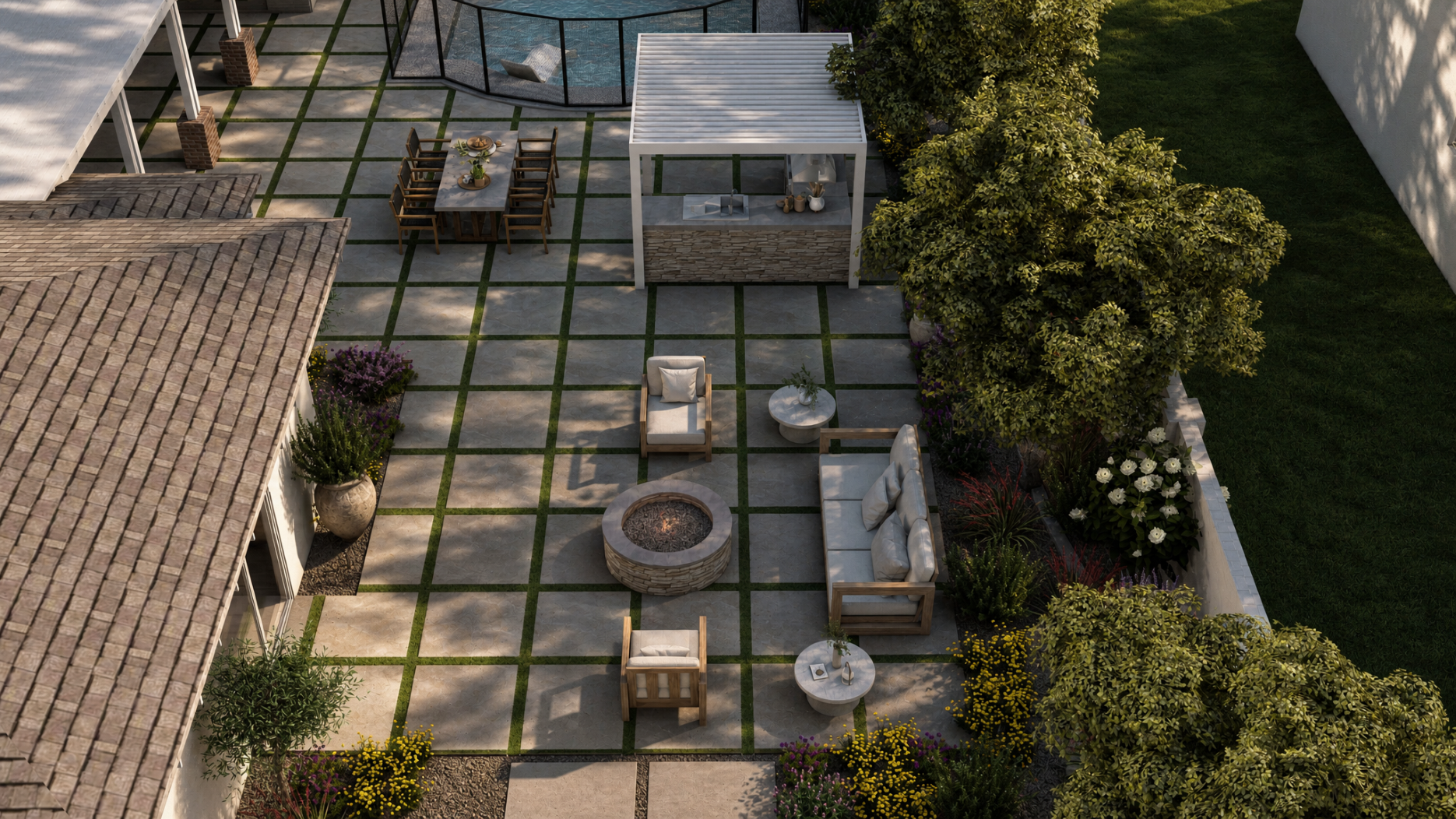
You can adjust the budget gap by changing the size and quantity of design features. It is different from value engineering because it changes what gets built rather than what materials are used. Your designer helps you go through the living space and identify primary and secondary features used in the space. Then the designer decides what can be reduced or eliminated from the project to match the estimated budget.
For instance, if a homeowner faces a high bid caused by an oversized pergola covering her entire patio, the designer would suggest reducing the pergola size to cover the main outdoor dining area only. It helps the homeowner preserve the primary goal of shaded dining while meaningfully lowering construction costs.
To better understand how budget tiers shape overall project scope, explore what your backyard budget actually buys.
Get Better Bids Without Design Change
A detailed design plan by expert designers helps you compare the bids much conveniently. You can ask for contractor quotes confidently because of those clear and detailed CAD drawings and don't need to guess around. Even when the initial bid comes in high, you can confidently ask for other bids from different contractors and go with the best one in accordance with your budget.
For instance, a homeowner’s first bid came in over budget, but the second and third bids on the same unchanged CAD plan came in within range. The design doesnt need to change at all; they just need more data points before deciding anything was actually a problem.
Conclusion
When a contractor bid comes in high, remember that you have real options available. A high bid is simply practical information that helps guide your next construction choice. Your design plan serves as a powerful tool during contractor discussions, value engineering, or project phasing. Your design fee remains a minor portion of your total project spend while protecting your overall expense.
Schedule a free 15 minute consultation with the BACQYARD team today. Talk to our dedicated designer about any value engineering or phasing options if your bids come in over budget.
Related Articles
.png)





Ready to co-design your outdoor space?
Start now—secure checkout, no hidden fees. Prefer to talk first? We’re happy to meet you.