What to Look for in a Landscape Contractor When You Already Have a Design Plan
Already have a landscape design plan? Here's exactly what to look for in a contractor, the right questions to ask, and the red flags to avoid.

Introduction
Finding a landscape contractor is a different challenge when you have a completed design plan. Most advice for homeowners assumes you are starting from nothing, that you need someone to walk your yard and tell you what should go where. That is one type of professional relationship. The one you need is different.
You already know where everything goes because you have a professional blueprint. You need a landscape contractor who can read that document, bid accurately against it, and build the vision without improvising on the details they find inconvenient. When you arrive at an interview with a finished plan, your hiring criteria shift entirely from vision to execution. Knowing how to distinguish a contractor who can follow a plan from one who will quietly reinterpret it saves you from the most common and expensive errors in the design-to-build process.
Here’s how and what to look for in a landscape contractor when you already have a design in your hand
You Are Not Looking for Ideas. You Are Looking for Execution.
Most homeowners focus on finding a landscape contractor with strong design instincts who can help them define their goals. That is helpful when you do not have a plan. When you already have one, those criteria become secondary. You are not looking for a creator whose aesthetic matches yours. You are looking for a professional whose technical capabilities match the requirements of your specific project.
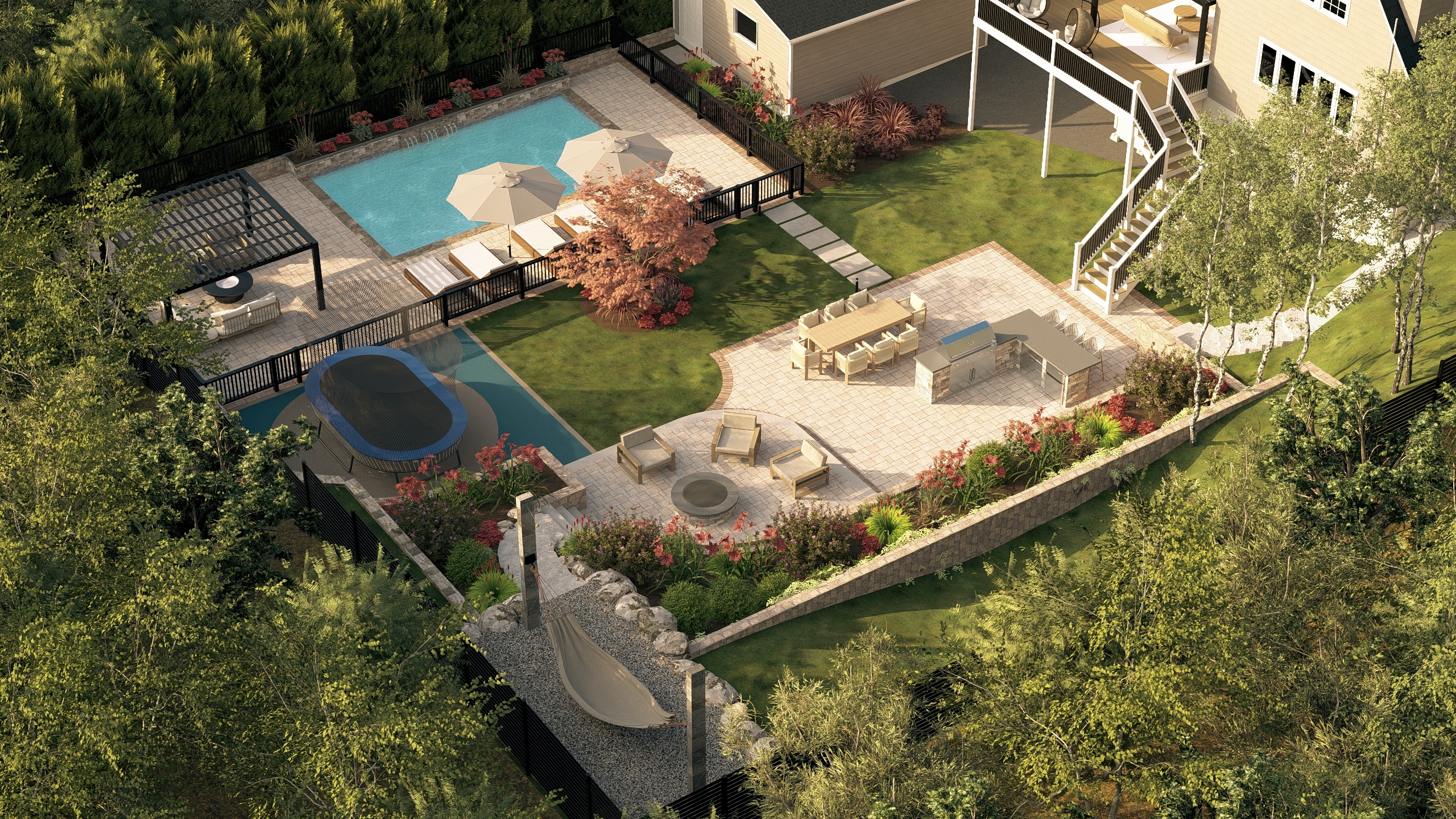
For instance, a landscape contractor who is excellent at installing simple residential planting beds may be completely wrong for a project that includes a built-in outdoor kitchen, gas rough-ins, a pergola with electrical wiring, and a flagstone patio with a specific drainage pitch. Therefore, you should evaluate each professional using three capability questions. Can they read and work from a professional CAD plan? Have they built the specific complex features your design includes? Can they manage the subcontractors your project requires, such as plumbers and electricians? These questions are not about finding a perfect contractor. They are about finding the right partner for this project.
What to Actually Look for When You Are Interviewing Landscape Contractors
When you have a design plan in hand, focus your evaluation on four specific criteria that ensure a high-quality build.
1. Experience With Your Specific Design Features
A portfolio shows what a professional has built before. Look for evidence of the specific features your design includes. Beyond just looking at past work, ask candidates how they would build certain elements from your plan. If the builder pauses or gives a vague, short answer, it is a red flag. Even if you do not know the technical requirements, you can tell who possesses true expertise by the detail and confidence in their response. A landscape contractor who has built your features before has already solved the challenges those elements create.
2. Ability To Read And Bid From a CAD Plan
Ask directly in your first conversation if they have worked from professionally produced CAD plans. The answer immediately reveals whether they are used to designing for first clients or typically work from verbal instructions. A contractor comfortable with CAD files will ask specific questions about the plan. Others will ask you to describe what you want, which is a warning sign.
3. Line Item Bidding Process
A landscape contractor who works on design-first projects should be able to break a quote down by feature or zone. Patio, pergola, planting, kitchen, lighting; each line exists separately. So, a lump-sum quote for a complex design-first project is usually not a preferred method. It means the contractor has not fully costed the scope, which indicates surprises might be coming. However, a line-item bid produces a document that enables feature-level value engineering if you need to adjust your budget. This breakdown of the costs of different landscape features gives you a realistic baseline before bids arrive.
4. Sub-Contractor Coordination
If your design includes gas, electrical, or plumbing, ask how they handle those relationships. Do they have established tradespeople they work with regularly? A contractor who must find a gas plumber for the first time when your kitchen project starts is adding unnecessary risk to your timeline and budget. Therefore, how phasing affects contractor coordination and sequencing is worth understanding before you choose a partner.
Five Questions That Tell You Everything You Need to Know
Use these five specific questions to vet your contractors:
- Have you worked from a professionally produced CAD plan before? A yes with specific examples means they are used to this workflow. A "no" means you must assess whether this project is within their capabilities.
- Can you break your bid down by feature? A contractor who operates this way is organized and transparent.
- Which of these design features have you built before? Their answer tells you if their experience matches your scope. If they say yes, do ask for photos. If they aren’t able to provide you with photos quickly, it means they haven’t built it before.
- How do you handle changes that come up during the build? The right answer involves documentation and a process for issuing revised plans. However, the wrong answer is a claim that they just figure it out as they go.
- Who handles the licensed trade work, and how do you coordinate them? A contractor with established relationships will answer this clearly.
For instance, one of our clients in Charlotte, North Carolina, used these questions across four interviews. Two contractors could not answer the subcontractor's question specifically. One gave a lump-sum quote and pushed back on breaking it down. The fourth answered all five questions clearly, referenced two previous projects with similar features, and offered to share those clients as references. The homeowner booked a site walk with the fourth candidate the following week.
Once you have chosen the contractor, go through our guide, "How to Hand Your Design Off to a Landscape Contractor and Get the Build Right," for a full handoff process from plan to build.
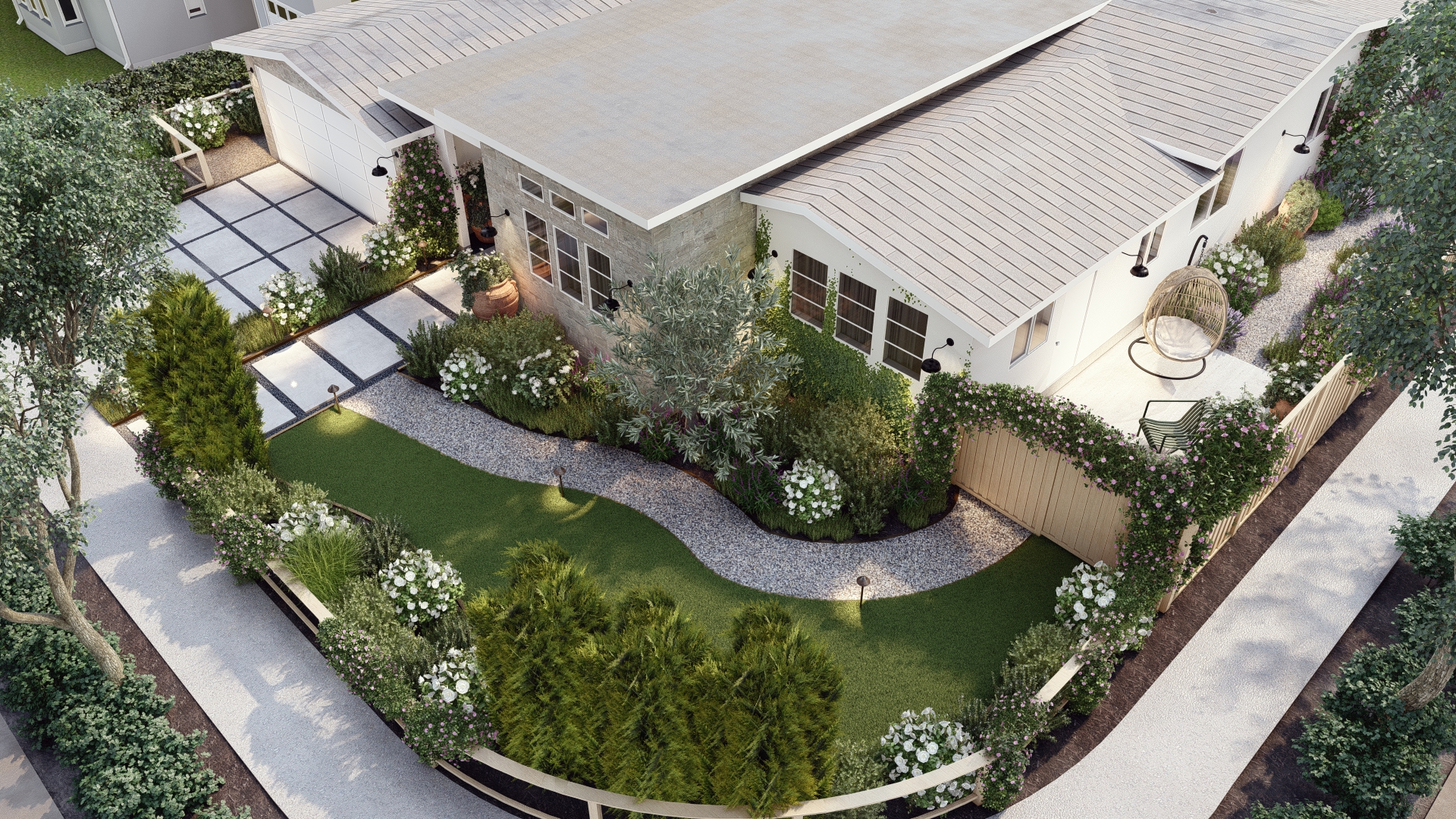
What Experienced Contractors Do Differently
When you are narrowing your search, watch for these two indicators.
- The Green Flag: A landscape contractor who asks to review the CAD files before the site meeting is a professional who takes design-first projects seriously. They are doing the work of understanding your project before they step on your property. When they arrive, their questions will be specific, and their bid will reflect the actual plan.
- The Red Flag: A contractor who says "I usually do it this way" when you ask about a design element is telling you that their default is their own preference, not your plan. On simple projects, this is manageable. On a project with a detailed CAD plan and specific material callouts, it is the start of a series of substitutions that erode the vision you paid for. The right contractor follows the plan and asks the designer when they have a question.
Book a free 1:1 consultation with a BACQYARD designer. Get the plan that gives you something real to hand a contractor, and ask about the Pro Network if you want help finding a professional who already knows how to work from it.
Related Articles





Ready to co-design your outdoor space?
Start now—secure checkout, no hidden fees. Prefer to talk first? We’re happy to meet you.