Is Online Landscape Design Worth It for a High-End Project? What Serious Homeowners Should Know Before They Decide
Discover how professional online landscape design helps homeowners in Massachusetts, Texas, Colorado, Washington, Illinois, and California plan high-end outdoor projects with confidence.

You have spent real money on this house. The last thing you are looking for is a cheap solution to your backyard. So when someone suggests hiring a remote designer you have never met for a project that is going to cost thirty thousand dollars to build, your instinct is to pump the brakes. That instinct is not wrong. It is exactly the kind of thinking that protects a significant investment. The question worth asking is not whether online design sounds reasonable. It is whether the plan you get at the end is the same quality as what you would get from a local firm, and whether it holds up when a contractor opens it on a job site.
It does. But the reason why is worth understanding before you decide.
The Question Behind the Question
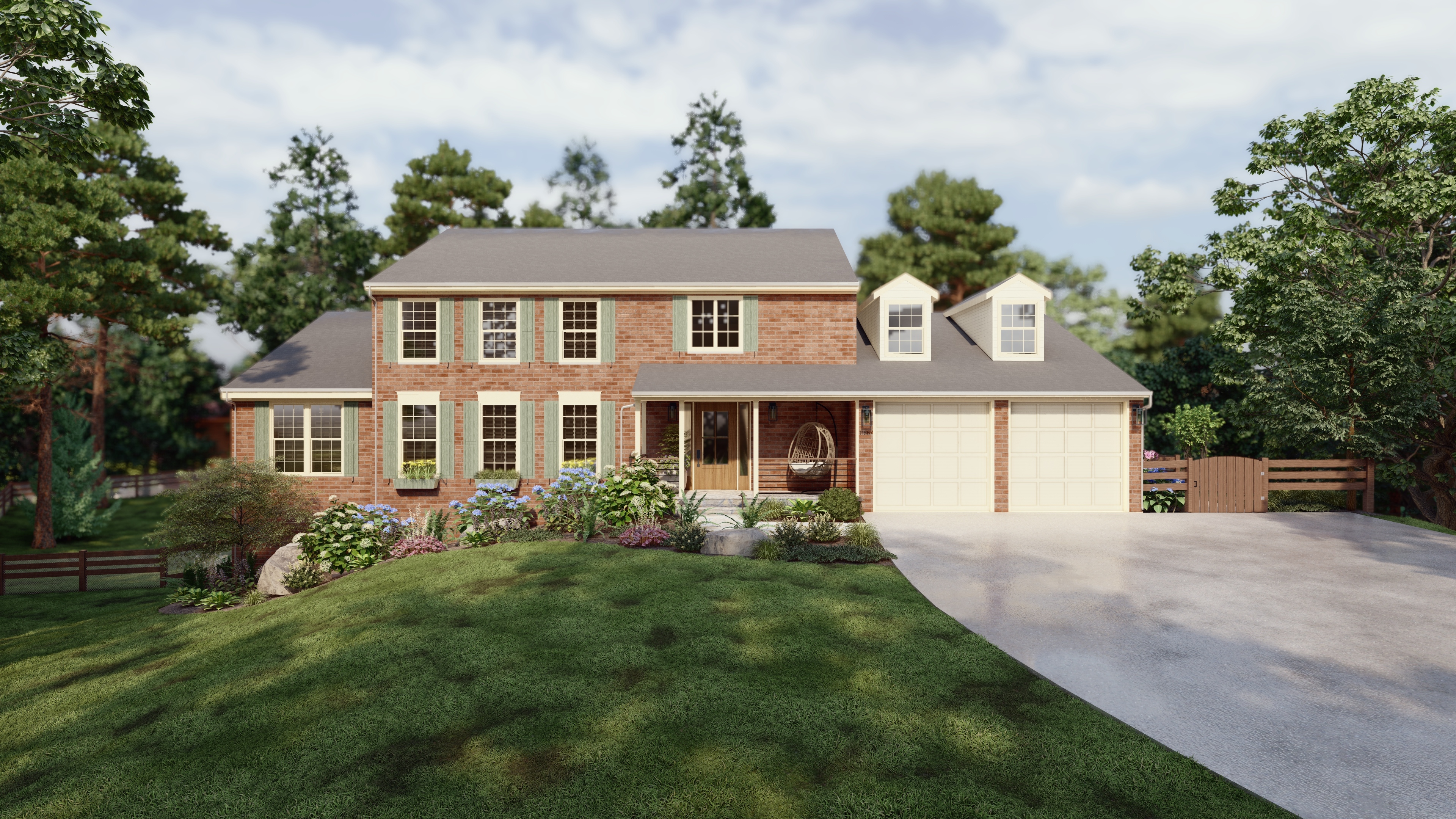
The real concern is not about the word online. It is about accountability and quality at a scale that matters. When you are spending $25,000 to $40,000 or more on installation, you need to know the plan you hand a contractor is accurate, buildable, and specific to your property.
The right question is not whether the designer is local. It is whether the designer produces CAD plans with real dimensions, a complete material list, and a plant palette chosen for your specific climate zone. Those are the things a contractor actually uses. Everything else is logistics.
A homeowner in the Boston suburbs called a local landscape architect. The initial consultation was $400. The full design quote came in at $6,800, with an hourly rate clause that meant any revision cost extra. She found an online service instead, had a consultation call with a designer whose portfolio included New England projects, and received a CAD plan, a material list, and 3D renderings for a fraction of that cost. When her contractor opened the package, he asked about scheduling. Where the plan came from was never a conversation.
What a High-End Project Actually Needs From a Design Plan

A $30,000+ installation in Dallas, Denver, Chicago, or Seattle requires specific things from the design document: accurate dimensions, material specifications, a climate-appropriate plant palette, and a layout that accounts for the property's orientation and sun exposure. The design fee is not where high-end project quality is built or lost. It is in whether the plan contains those elements. What your contractor actually receives from a professional plan package is the same regardless of where that plan originated.
The bidding process makes this concrete. A homeowner in Austin with a $35,000 backyard budget tried to get bids with a verbal description and some Pinterest images. The bids came in $14,000 apart because every contractor imagined a different project. A homeowner in San Francisco with the same scope and a professional CAD plan received three bids within $3,500 of each other. The plan is what made the bids comparable and the project manageable. Same budget, same vision. Completely different experience.
The Designer Relationship Is the Variable That Actually Matters

For a high-end project, what you are really paying for with a local firm is not proximity. It is accountability: a person who is reachable, who knows the project, and who is available if something comes up during the build. That accountability is a function of the service model, not the designer's zip code.
A matched designer who you speak with by phone or video before a single rendering is produced is accountable in the same way. A horticulturalist review layer that checks the plant palette for climate fit and local availability before the plan is finalized is a layer of quality control that most local firms do not offer at all. A designer who remains available for CAD revisions if site conditions require a change during construction is present when it actually counts.
The designer matched to your project knows your region. A homeowner in Chicago was matched with a designer who understood Midwest freeze-thaw hardscape requirements and flagged two plants from the homeowner's wish list that would not survive an Illinois winter. A homeowner in San Diego was matched with a designer who knew Southern California water restrictions and specified a drought-adapted palette before the client asked. That kind of specificity is not a function of whether the designer drove to the property. It is a function of whether the designer knows the region. The people behind that process are credentialed professionals, not algorithms.
What the Price Difference Actually Reflects

A local landscape architect in Boston, Seattle, Denver, or Chicago charges $3,000 to $8,000 or more because that fee covers travel time, site visits, hourly billing, office overhead, and scheduling friction. None of those things make the design better. They make the business more expensive to run.
A lower price for a professional online plan reflects a different cost structure, not a different level of expertise. The plans are CAD files. The designers are credentialed. The deliverables are identical in what they give a contractor.
For a homeowner with a $30,000 installation budget in Austin, Dallas, or Sacramento, the design fee is a small percentage of the total project cost. What matters is whether that fee buys a plan that protects the larger investment. A professional plan that prevents one change order on a $30,000 project pays for itself before the second invoice arrives.
A homeowner in San Antonio hired a local landscape architect for $5,500. Three months into the build, a revision required two additional site visits billed at $150 per hour. The final design cost came to $7,200. A homeowner in Denver used an online service, received the same professional deliverable package, and when a site condition required a layout adjustment mid-build, a revised CAD plan was issued at no additional charge. The total design cost stayed fixed. Understanding how to plan for those mid-project moments before they happen is part of what a professional design process delivers.
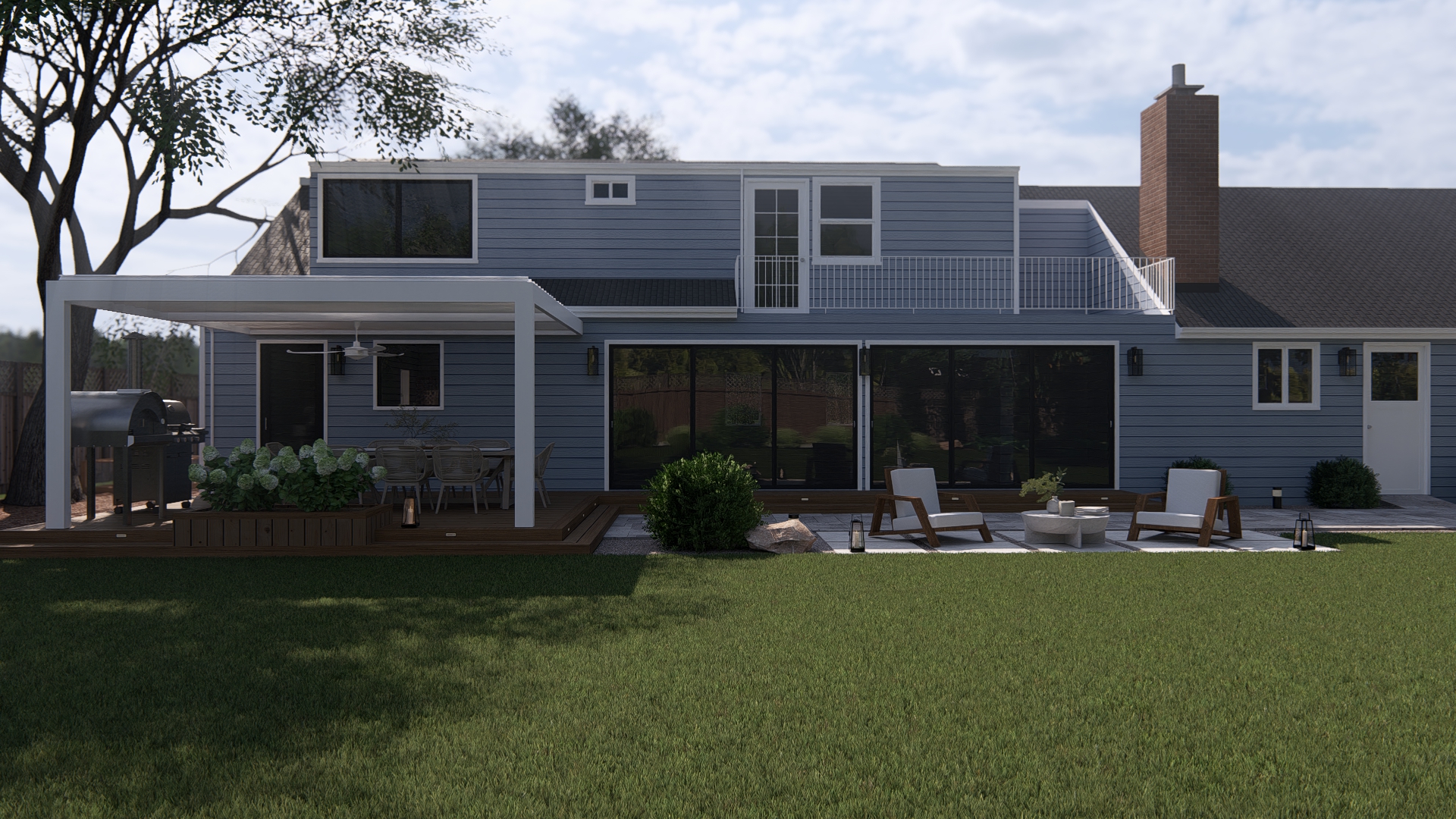
You did not get to a $1.5 million home in the Boston suburbs, the hills above Napa, the Chicago North Shore, or a corner lot in Dallas by making careless decisions. The question you are really asking is whether this is a decision you will regret. The honest answer is that the regret risk is not in the model. It is in whether you choose a service that produces a real plan. A professional CAD plan, a climate-specific plant palette, a designer who knows your region, and a team that is reachable when your contractor has a question: that is what a high-end project needs. Where the designer's office is located has never been on that list.
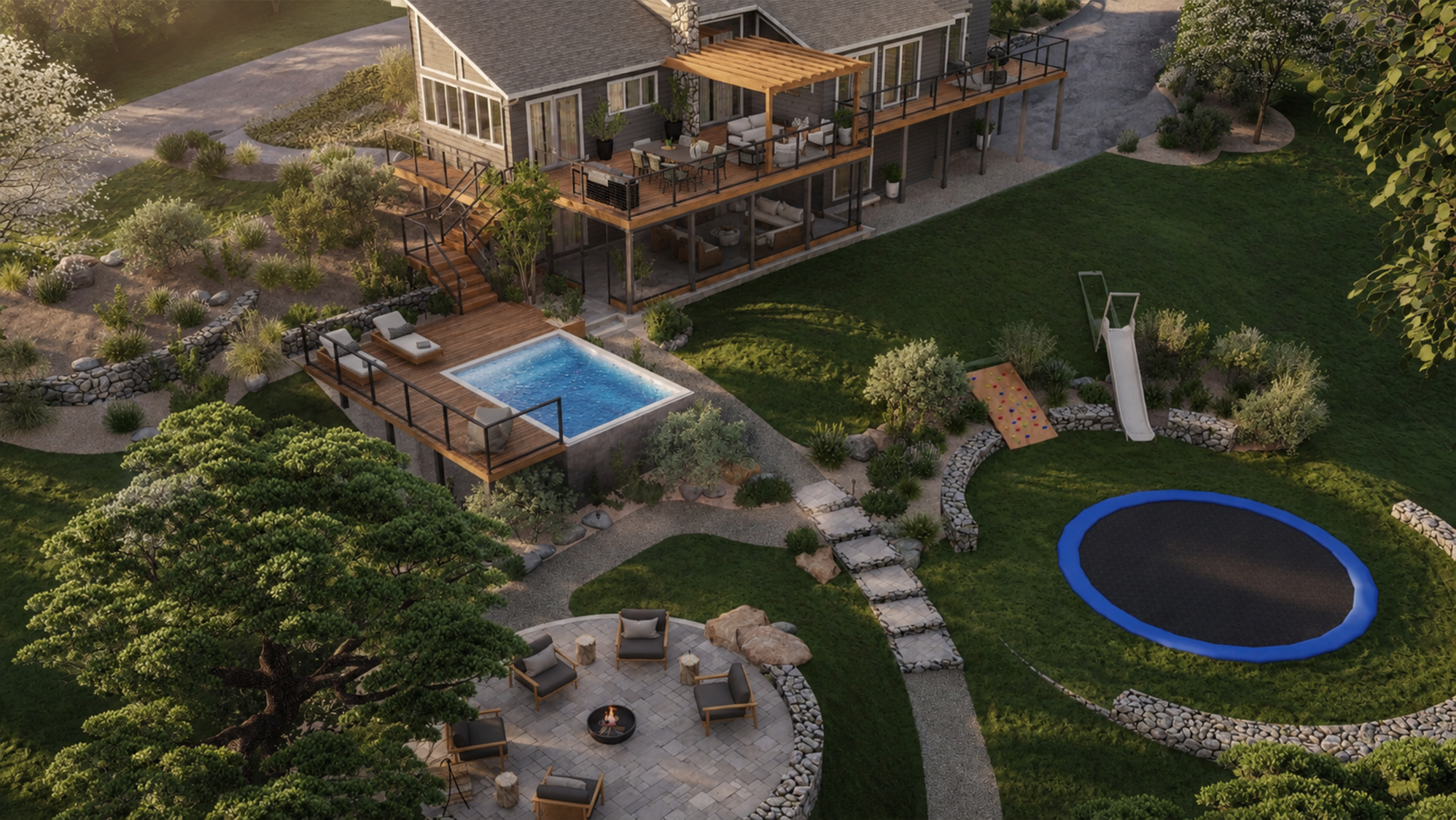
Book a consultation with a BACQYARD designer before you commit to anything. See who you would be working with, what the plan package includes, and ask every question you have about how this works for a project at your scale.
Related Articles
.png)




Ready to co-design your outdoor space?
Start now—secure checkout, no hidden fees. Prefer to talk first? We’re happy to meet you.