What Happens After the Design Is Done: What Your Contractor Gets and How They Use It
Your BACQYARD design is done. Here's exactly what your contractor receives, how they use the CAD files and material lists, and what to do if questions come up mid-build.
Introduction
You did the hard part. You worked through the consultation, gave feedback on the renderings, and approved the final plan. Now you have a complete design package and a local contractor lined up to build it. Somewhere in the back of your mind, a reasonable question is forming: is a contractor who has never heard of this company actually going to know what to do with these files?
The answer is yes, and it has nothing to do with faith. It has to do with format. A contractor does not need to know where a plan came from or who drew it. They need dimensions, material specs, and a layout they can follow precisely. A professional CAD plan delivers exactly that, in the same standard format they work from every single day. This post walks you through what that handoff actually looks like and how the whole process is set up to keep your build moving forward.
What Happens After the Design Is Done: What Your Contractor Gets and How They Use It
It is a completely fair question to ask before you begin your project. You found a designer through an online landscape design platform, collaborated on a vision through a digital process, and now you hold a completed set of files. Next, you must hand these documents to a local contractor who has likely never met your remote design team. Will they take the drawings seriously? Will they know how to interpret the technical specifications?
The short answer is yes, and the reason has nothing to do with blind trust. It has everything to do with format and precision. A professional layout is universal regardless of where the author sits. The contractor does not care how the plan was generated. They care whether it contains the exact data they need to build the project safely, accurately, and within your specified budget constraints. This guide explains exactly how that professional handoff works.
What Your Contractor Actually Receives

Many people assume that an online landscape design service delivers a basic mood board. In reality, a professional package provides full documentation that is ready for any builder to use immediately. The deliverables are split into three distinct, highly detailed parts that are generated through a process that is briefly explained in our Step-by-Step Guide to BACQYARD's Online Landscape Design Process
- The first and most critical piece is the computer-aided design plan, also known as a CAD plan. This is an industry-standard format utilized by landscape architects. It contains precise dimensions, layout positions, and material specifications. Because it adheres to standard professional blueprints, there is no learning curve for an experienced team.
- The second element is the plant and material list, which functions as a direct sourcing document. It specifies exact plant types, quantities, and container sizes.
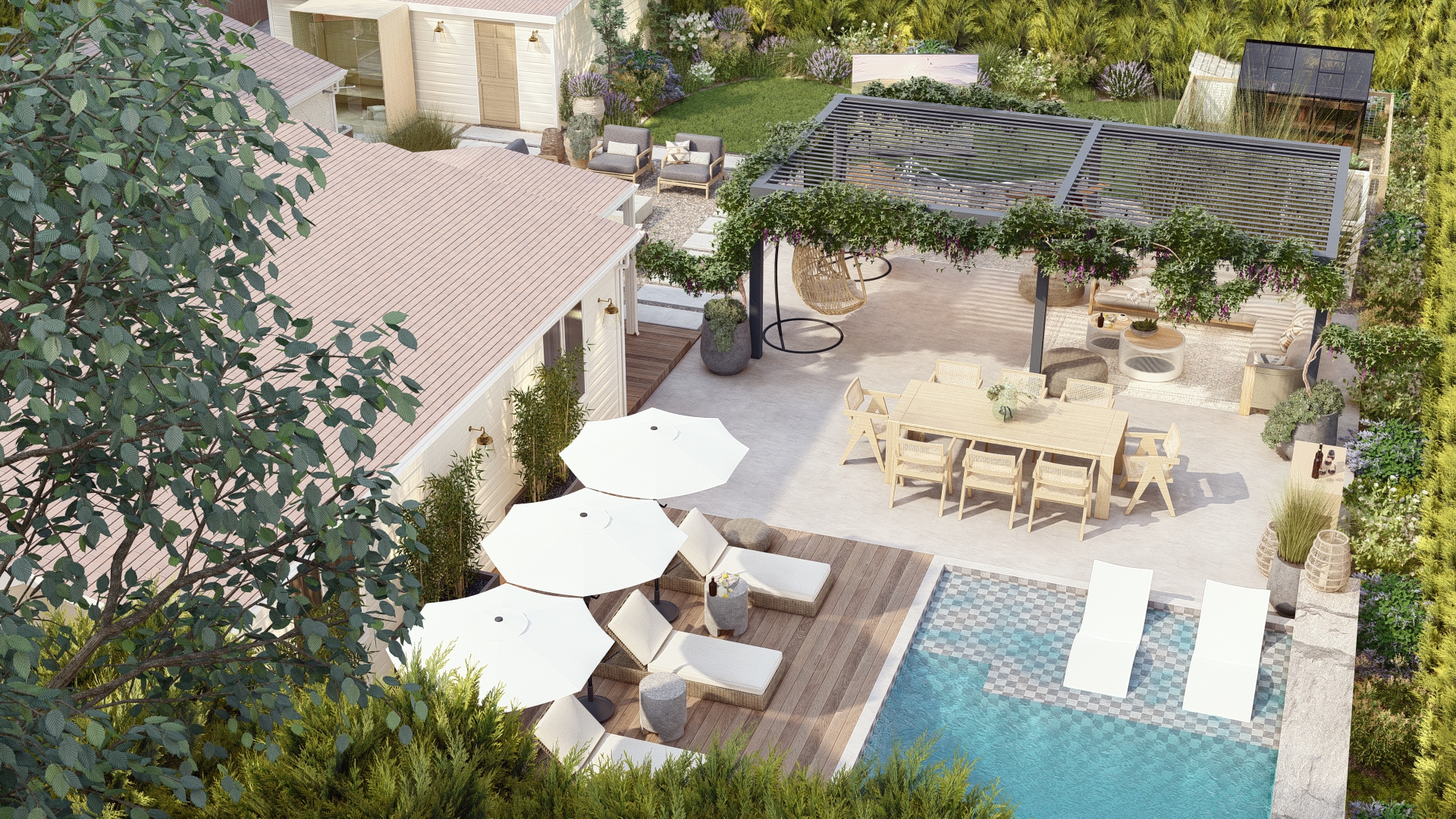
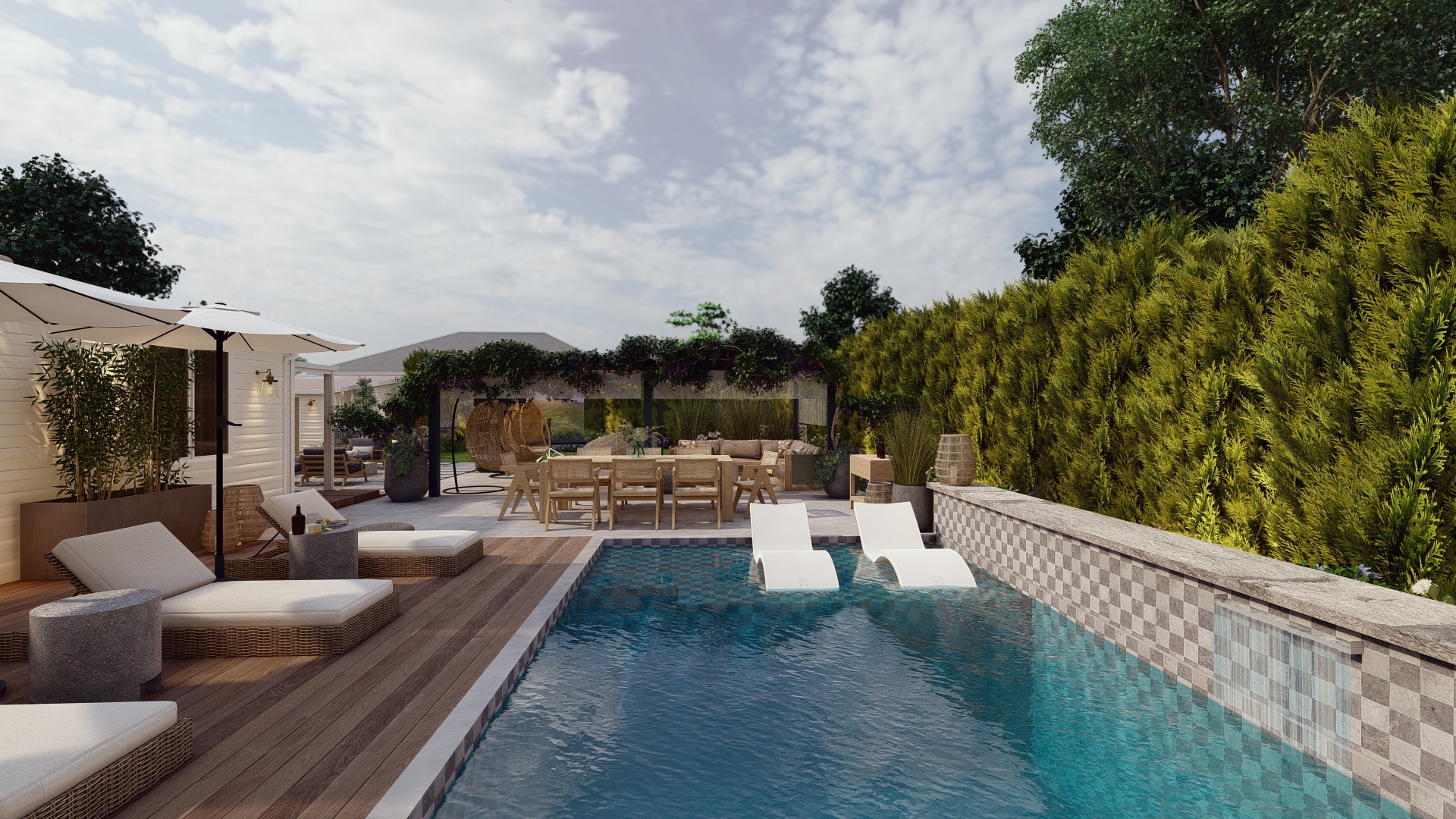
- The final element consists of 3D renderings. While these images are not what the builder uses to measure, they serve as an invaluable visual brief during construction to resolve questions about design intent.
What Experienced Contractors Actually Say About Working From Professional Plans
The underlying worry for many people is that a local crew will dismiss the documentation because it was ordered through a remote service. The truth of the matter is the exact opposite. Experienced professionals consistently prefer working from detailed plans rather than verbal descriptions or loose sketches because clear documentation protects their business, too.
A detailed layout enables the crew to estimate labor costs accurately, order the correct volume of materials, and construct features according to an explicit set of rules. This transparency is a major selling point because it reduces the likelihood of change orders and enables a fair bidding process, as each company is quoting the exact same scope of work.
If a question arises during the project, the plan serves as the final reference point. Your local builder may never have heard of BACQYARD, but they do not need brand recognition to use the files. They do not care about the name on the title block as long as the dimensions match the physical site.
For instance, consider a homeowner in San Diego, California, who mentioned to a prospective builder that the drawings came from an online landscape design firm. The builder did not care about the remote aspect. Instead, he immediately asked if the package included CAD files and a complete material list. Once the homeowner confirmed both pieces were present, the conversation shifted entirely to scheduling and logistics. The origin of the paperwork never became an issue because the quality of the data was undeniable.
What Happens If the Contractor Has Questions Mid-Build
Another common anxiety is that working with a remote company is a single transaction where you receive your files and are suddenly left completely on your own. Homeowners worry that if a real-world obstacle appears during excavation, the remote team will be nowhere to be found.
A quality service model is built entirely around the construction handoff rather than just the initial creative phase. If your project is being built in phases, the sequencing decisions that affect how a contractor plans the build are worth understanding before ground breaks. To ensure the transition goes smoothly, our designers remain available to assist the contractor during the active construction window.
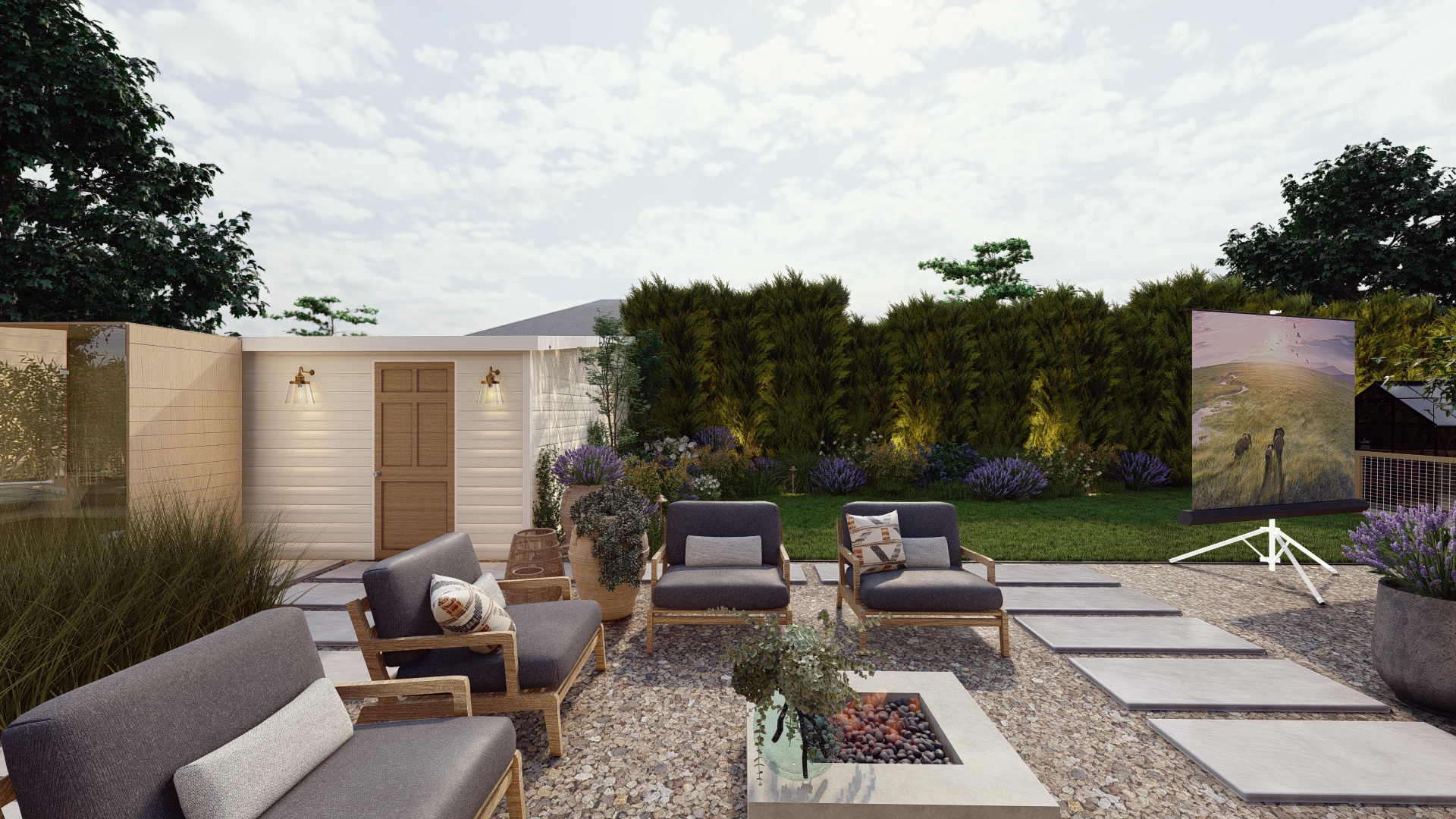
If the contractor discovers an unexpected utility line or an unmapped root system that forces a layout change, free CAD revisions are provided directly to them. This prevents the crew from having to improvise on-site and protects the homeowner from expensive field corrections later.
What to Tell Your Contractor Before You Hand Over the Plans
When you are ready to interview local contracting companies, a few simple steps will make the initial meetings far more productive. First, send the complete digital package to the crew three days before your scheduled site meeting. Give them the CAD files, the material lists, and the 3D images ahead of time so they can study the details. Builders who review the paperwork in advance come up with smart questions and generate highly accurate numbers.

Second, inform the team immediately that your design firm provides active support and free CAD updates if site conditions require a change. This instantly removes the fear that they will be stuck dealing with an unbuildable drawing or left to solve structural layout problems by themselves.
Third, request a detailed line-item bid that corresponds directly to the sections of the CAD plan. This is a standard practice for professional builders and ensures you see exactly where every dollar is being allocated. It prevents the confusion of a single lump sum estimate that hides the true cost of individual features.
Final Thought
Your contractor does not need to see a designer standing in your yard to understand how to build a patio or plant a tree. They need dimensions, exact material types, and a clear set of structural goals. The handoff succeeds because the sheets you place on the table are identical to the blueprints they handle every single day. It is also important to remember that in any professional landscape project, some questions will naturally arise during construction. When a crew breaks ground and starts the actual site assessment, they may encounter minor field conditions that require quick clarification.
This is a standard part of the process and does not imply that the design was incorrect. It simply means that your professional team is actively managing the project as it moves from paper to reality. By having a designer available to address these adjustments with your contractor, you keep the build moving forward without unnecessary delays. What matters is the accuracy of the data, and a complete package gives them everything they need to bring the vision to life.
Book a free 1:1 consultation with a BACQYARD designer today. See exactly what your comprehensive plan package includes, and ask any questions you have about coordinating with your local contractor.
Related Articles
.png)




Ready to co-design your outdoor space?
Start now—secure checkout, no hidden fees. Prefer to talk first? We’re happy to meet you.