Pergola Design Ideas: How to Choose the Right Pergola Size, Placement, and Style for an Outdoor Living Space
Pergola placement, size, and roof style all affect whether it actually works. Learn how sun angles and layout decisions shape a functional design.
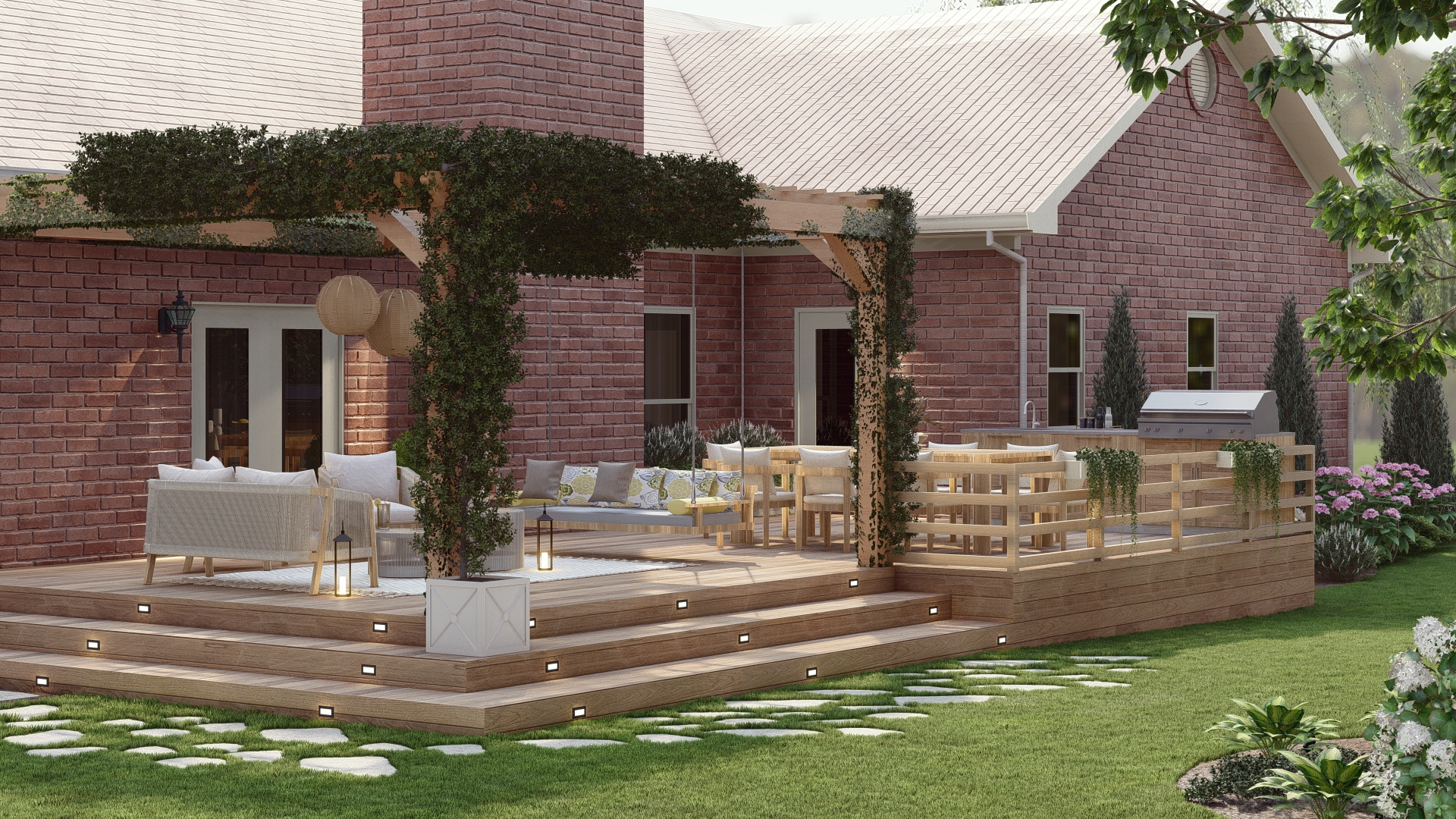
A backyard is not just a garden but a place where you can relax and enjoy all day long. Adding a pergola is one of the best choices that helps you achieve that goal in your home. Just imagine it as an aesthetic structure that provides you with shade and a cozy vibe while enhancing the elegance of your lawn. A pergola is actually not a decoration. It is the structural anchor of your outdoor entertainment space, and the design decisions that determine whether it works are made before the contractor arrives, not when they ask you where you want it. In this guide, we’ll provide all the information you need to know before you build a pergola to design your outdoor living space. So, let's begin!
Where to Place the Pergola
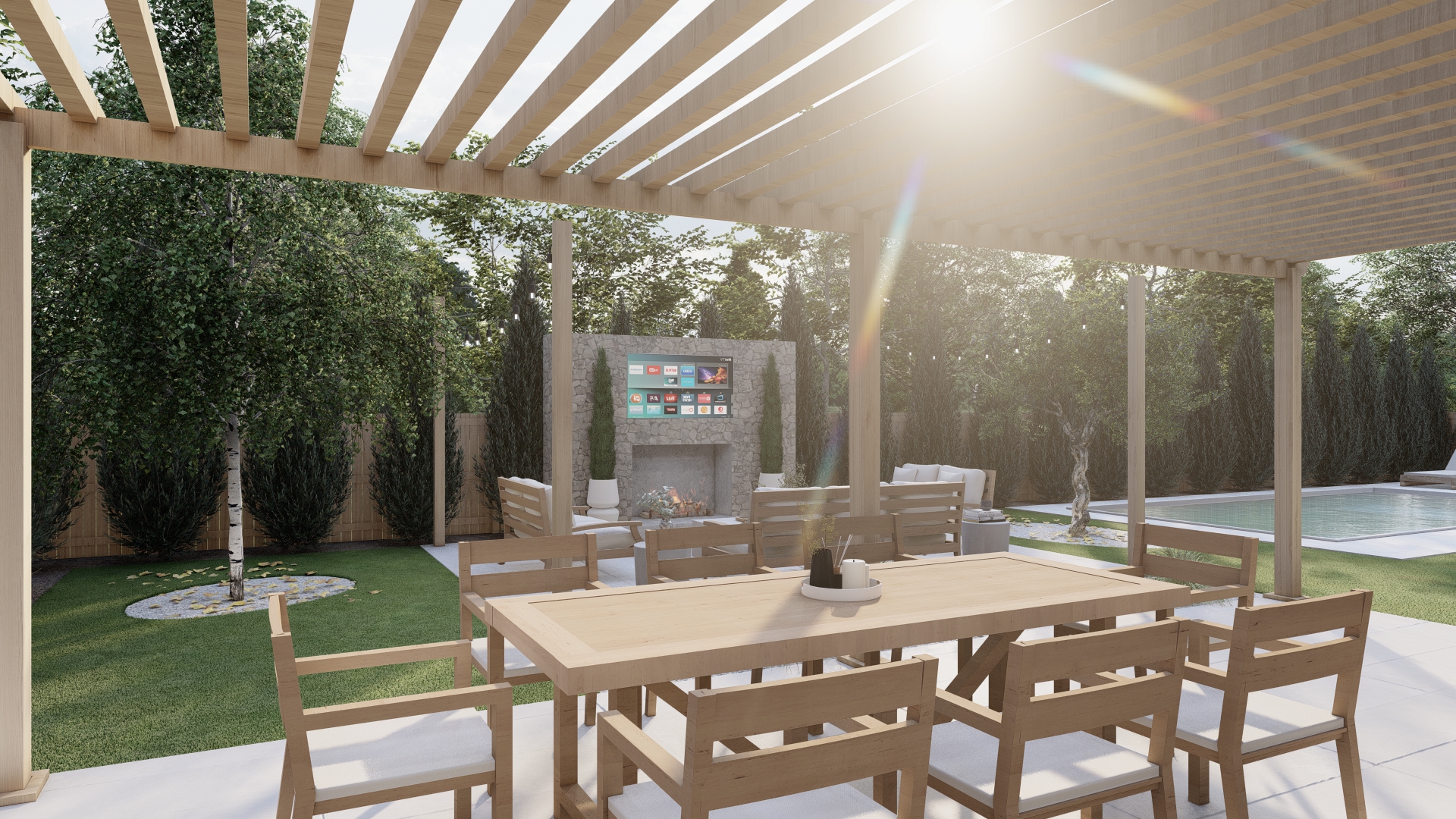
The first and most important question is where to place the pergola in your lawn. Most homeowners place the pergola where it looks visually pleasing and may provide shade at 10 am but none at 5 pm. It's the most common mistake. The placement of a pergola should be determined by analysing the afternoon sun angle so that your yard is functional all day long.
Sun path analysis is the best approach used by professionals to determine the sun’s position at specific hours in your yard. At Bacqyard, our professionals use the same approach to calculate precise shade angles before creating any layout drawings for your outdoor space. Every house has its own requirements depending on its location. For instance, a house with a west-facing yard has different shade coverage requirements compared to a south-facing yard due to the angle of the sun in the area.
Alongside this, the physical connection between the indoor and the outdoor space matters too. But it depends on the homeowner how they use the space. Then, accordingly, it's decided whether an attached pergola connected to the house or a freestanding pergola positioned at the far end of the yard is to be added.
What is the Size of the Pergola
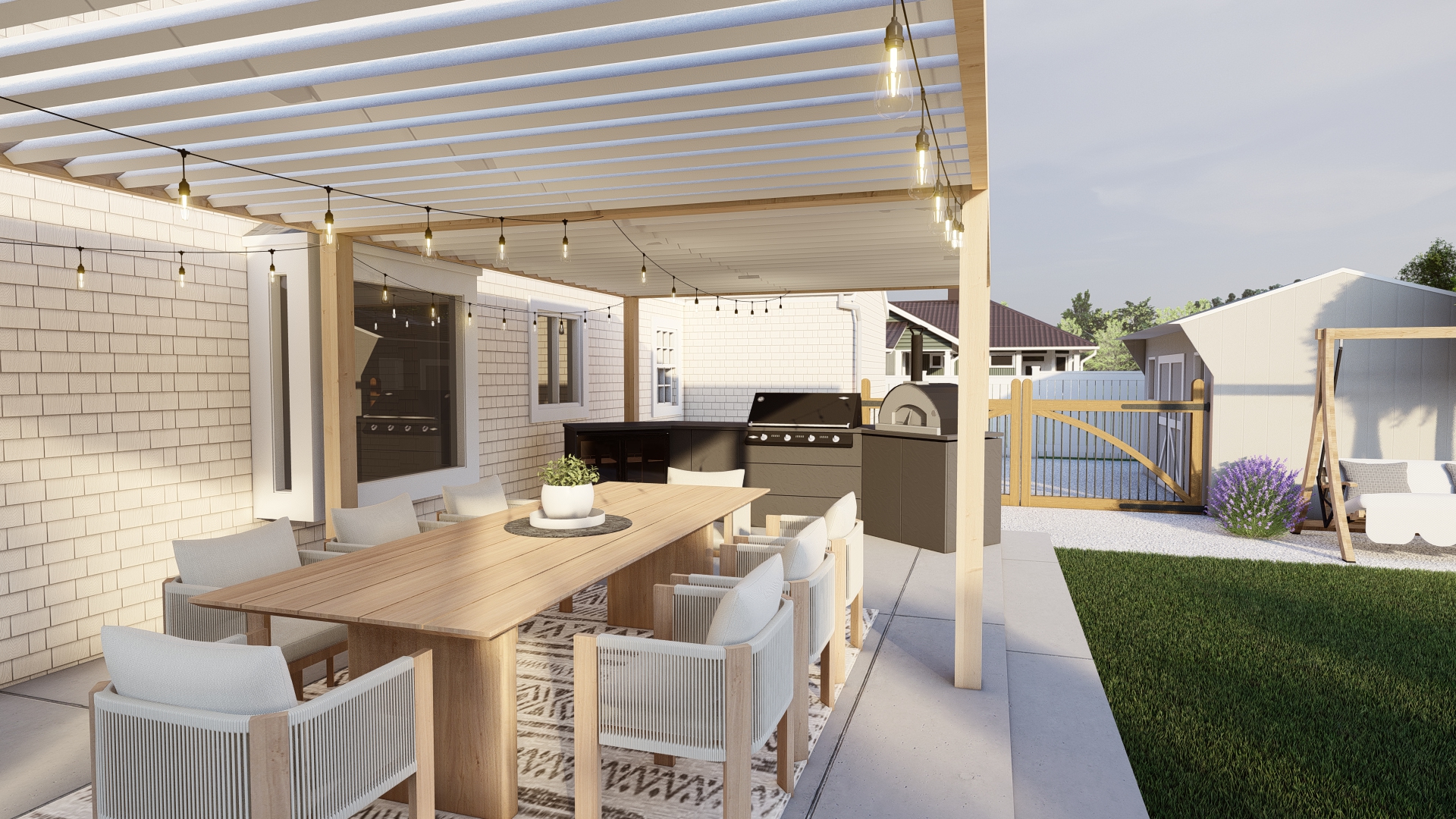
The size of the pergola depends upon the intended use by the homeowner. For instance, a 10x10-foot pergola seats four chairs; a 10x12 seats six, and a 12x16 is the best option for a dining table for eight, along with circulation space. You should identify your capacity needs first and then decide your dimensions. A pergola over a dining table needs to be at least 2 feet wider on each side than the table to prevent chair legs from sliding off the covered zone.
A homeowner in Austin decided to build a 12x12-foot pergola over their 8-foot dining table in the yard. The table fit under the pergola perfectly, but the problem arose when guests sat at the table. The chairs on the ends were outside the pergola footprint and bumped into the posts as they slid backwards. To fix this, a 14x18-foot structure was rebuilt for proper coverage and space.
Difference Between Attached vs. Freestanding Pergola
.png)
An attached pergola is a structure connected directly to your house, which acts as an extension to your indoor area. It means the flow of guests from inside the house to the covered outdoor space is natural. On the other hand, a freestanding pergola stands separately from the house and acts as a separate zone designated in your lawn. It works best over a fire pit seating area and for outdoor dining and kitchen use.
Each of them has distinct setup and installation requirements. An attached pergola is connected to the exterior house wall. However, for freestanding pergolas, post footings are poured in the ground beforehand.
Does the Roof Style of the Pergola Matter
.png)
The usability of the pergola depends on its roof style. For example, you can use an open-beam pergola for partial shade in homes in dry regions with more sunlight and less rainfall. Homeowners also use an open pergola with shade cloth or a retractable canopy to convert the structure into a covered area to block sunlight and rainfall. Due to a removable or adjustable cover, it is adaptable for many weather conditions.
A pergola with a solid roof made of aluminium or other roofing materials works as a covered patio with most weather protection. Whereas a louvered roof with adjustable slats is the premium option for homeowners in areas like Portland, the Bay Area, or Seattle, as you can open the slats to enjoy morning sunlight and close them when the rain falls.
How Pergolas Put Your Outdoor Space Together
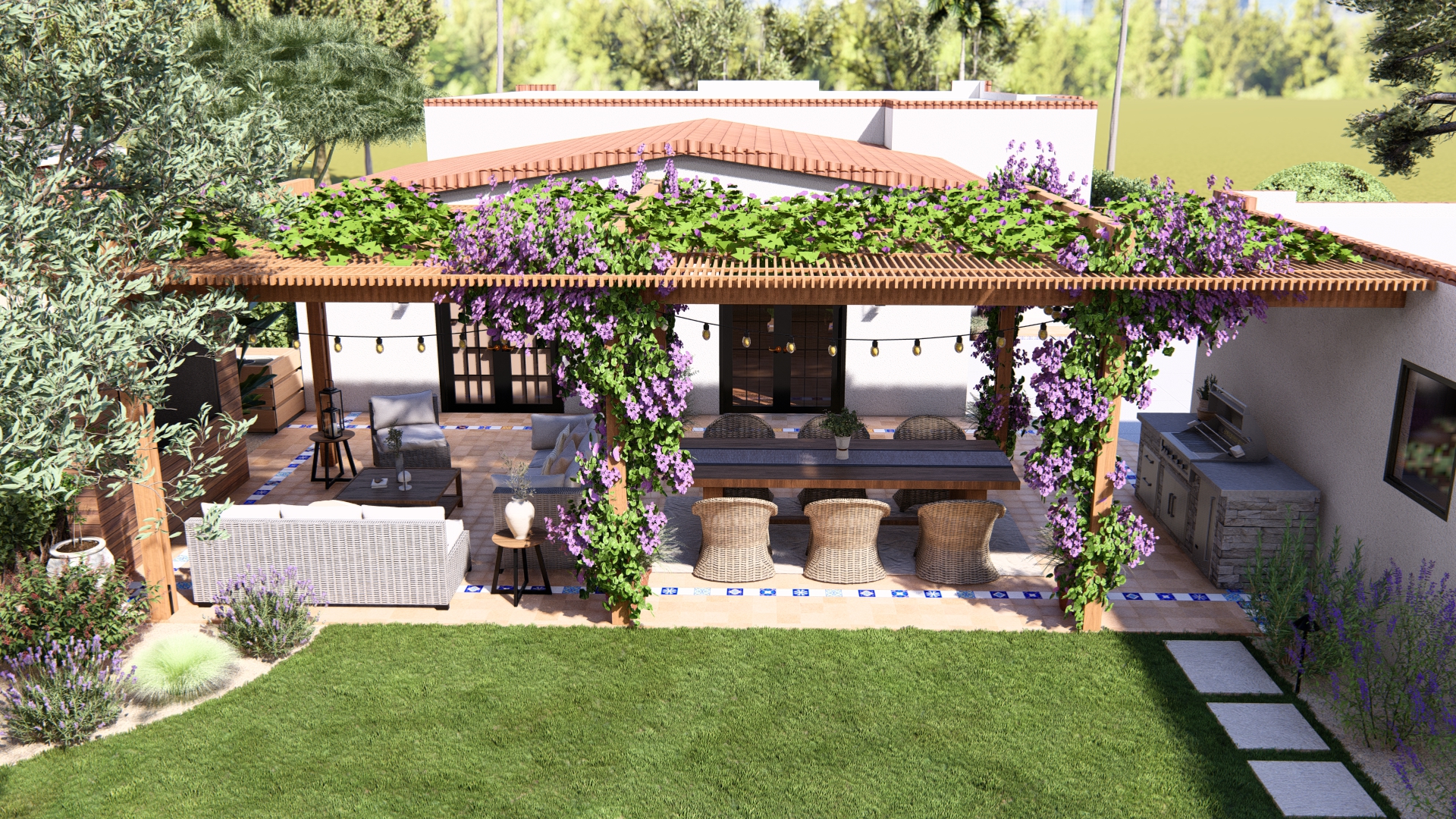
A pergola is not a covered area in your backyard, but it is an organizational anchor for your complete outdoor living space. Its design and location determine where the dining table goes, how many guests you can entertain, where to install a fire pit, and how your kitchen operates. For instance, if you position your outdoor cooking space along the edge of the pergola’s frame, it helps you remain in conversation with guests sitting at the dining table. If you install outdoor lighting with the frame of the pergola, it helps you keep your space lit even after the sun sets.
A homeowner in Charlotte built an attached pergola with cedar beams in their yard. The kitchen area was around 7 feet away on the open patio. During summer afternoon parties, the guests sat in the shade, whereas the host worked in the open and heat. As a redesign, we connected their kitchen counter alongside the edges of the covered area so that the host also enjoys the party that also in the shade.
Conclusion
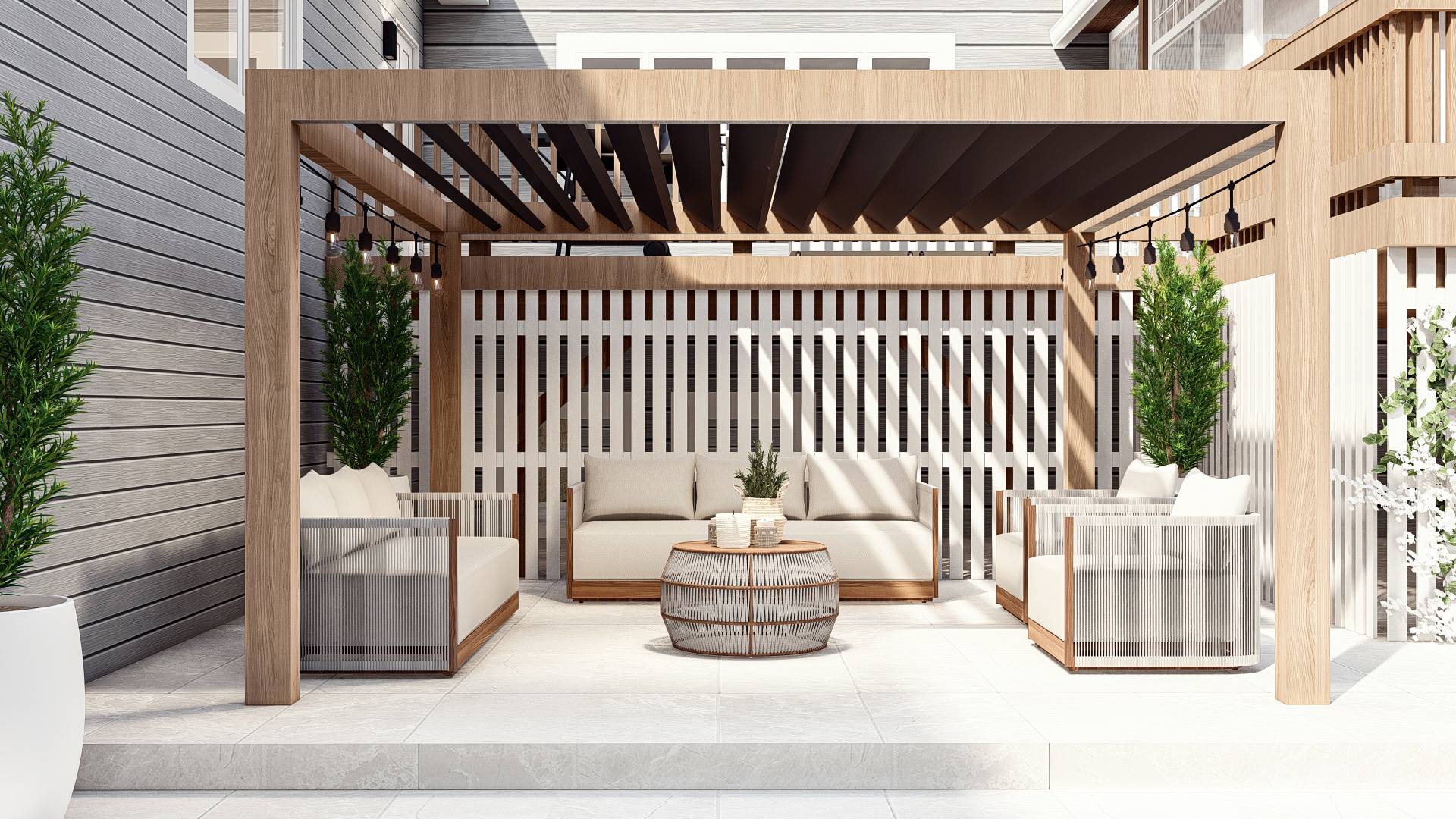
The gap between a pergola that is functional and in an inspirational photo is covered by the right design decisions. Decisions like choosing the right material, how many people to accommodate, size, and placement of the pergola. All these decisions are supposed to be made before construction starts. Online professional designers, just like at BACQYARD, help you make those decisions. Our designers create tailored designs for your yard depending on your location, usage, and considering all other factors.
Schedule a free 1:1 call today for a quote. Describe all your requirements for the space and get started on the journey of your dream outdoor living area.
Related Articles





Ready to co-design your outdoor space?
Start now—secure checkout, no hidden fees. Prefer to talk first? We’re happy to meet you.