Designing an Outdoor Living Space Around the Way You Actually Live
Learn how to design an outdoor living space you'll actually use every day, from shade placement to kitchen orientation, with expert tips from BACQYARD designers.
Introduction
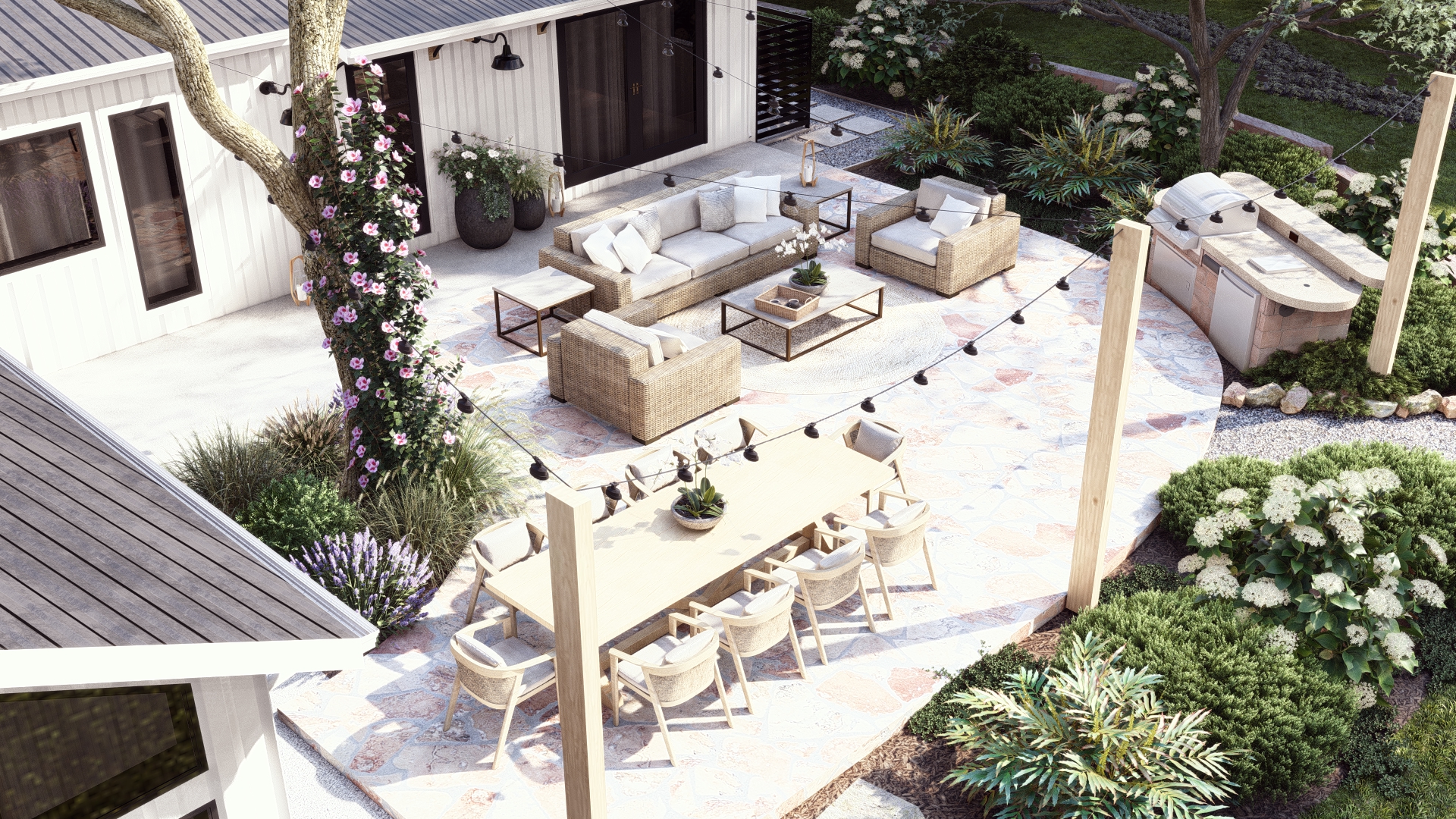
There's a common trap when it comes to outdoor living spaces: building for the one big party in July while the other 364 days go unaccounted for. The result is often a beautiful patio that sits empty while everyone gravitates back to the couch inside. Creating a yard you'll actually want to visit on a random Tuesday comes down to a simple shift in perspective. It's about designing around your real habits rather than a generic magazine photo. For a full breakdown of features, zones, and layout decisions, keep reading this guide to designing an outdoor living space and get the whole picture.
The Question Most Homeowners Skip
The typical starting point for an outdoor living space is a feature list: fire pit, pergola, or outdoor kitchen. That list is not wrong, but it comes too early in the process. The question that actually drives a usable design is more specific: what does a normal evening outside look like for the people who live here?
The answer to that question reveals the true requirements of the yard. A couple who have wine on the patio three nights a week needs a different layout than a family of five that hosts Saturday afternoon cookouts. The first needs an intimate seating zone close to the back door with ambient lighting and a small table. The second needs a large cooking anchor, expanded hardscape for foot traffic, and shade coverage during afternoon sun.
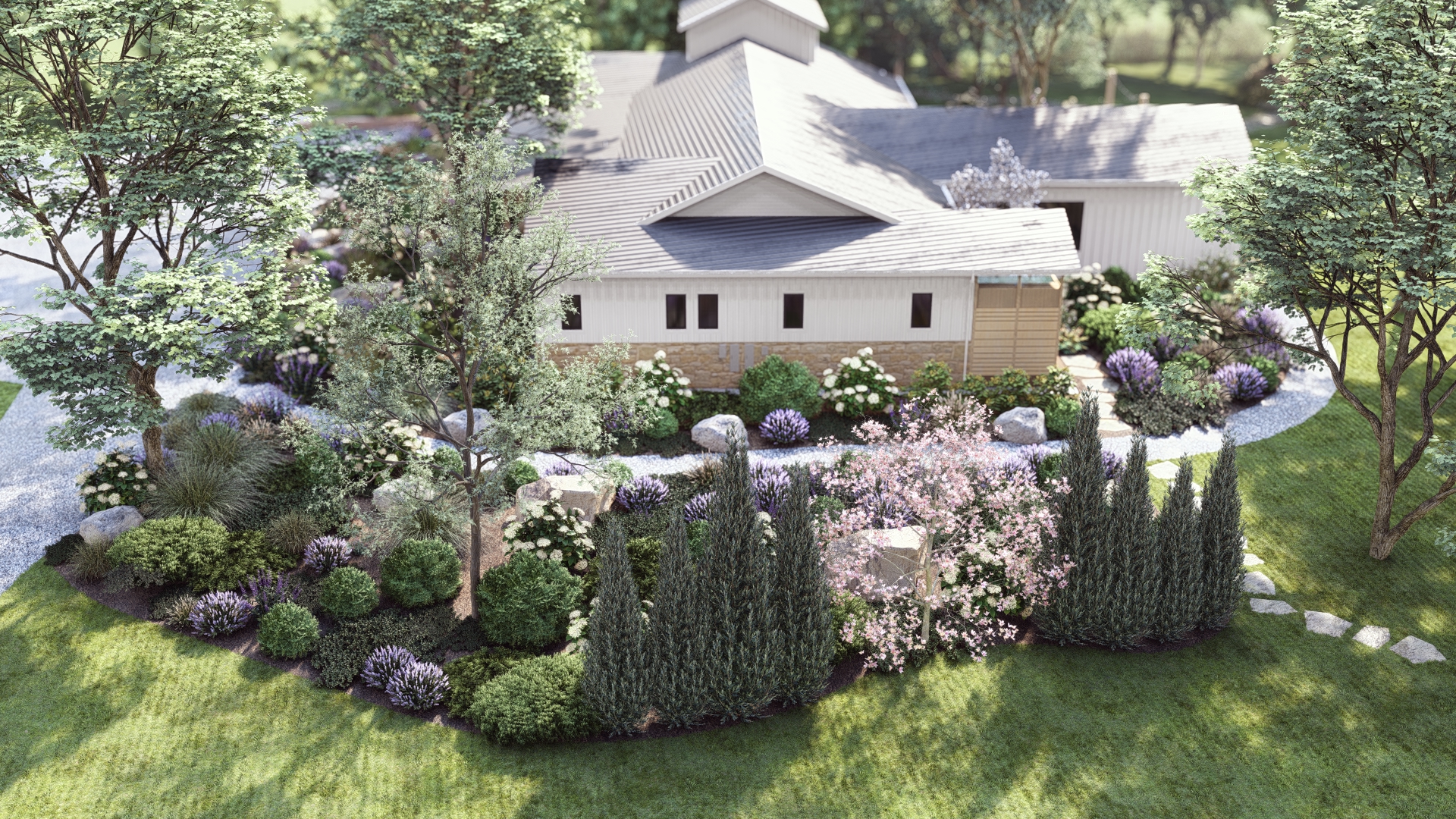
The features might overlap, but the placement, scale, and orientation will be completely different. A fire pit for quiet evenings belongs in one location. A fire pit for a gathering of twelve after a party belongs to another. The features are the answer, but the behavior is the question. Most people start with the answer.
The Three Design Decisions That Kill Daily Use
Many outdoor living spaces stop being used after the first year because of three common design failures. These are not styling mistakes but functional ones.
- No shade where it is needed: Afternoon sun in most of the United States makes an unshaded patio unusable between 2 pm and 6 pm. This is exactly when most people want to be outside after work. A pergola positioned using actual sun path data, not aesthetic symmetry, is vital for comfort. Sun path analysis handles this. Guesswork does not.
- The kitchen faces the wrong direction: An outdoor kitchen cook who faces a fence or a wall is socially excluded from the gathering. The person grilling is isolated while the guests sit elsewhere. The kitchen ends up as a staging area instead of the anchor of the space. Orientation costs nothing to get right in the planning phase but is expensive to fix later.
- The space is too far from the door: Physical proximity to the house drives how often you use the space. A beautiful patio at the far end of a sixty-foot yard is for special occasions. A comfortable seating area ten feet from the back door is for a Wednesday night.
One Space, Four Seasons of Use
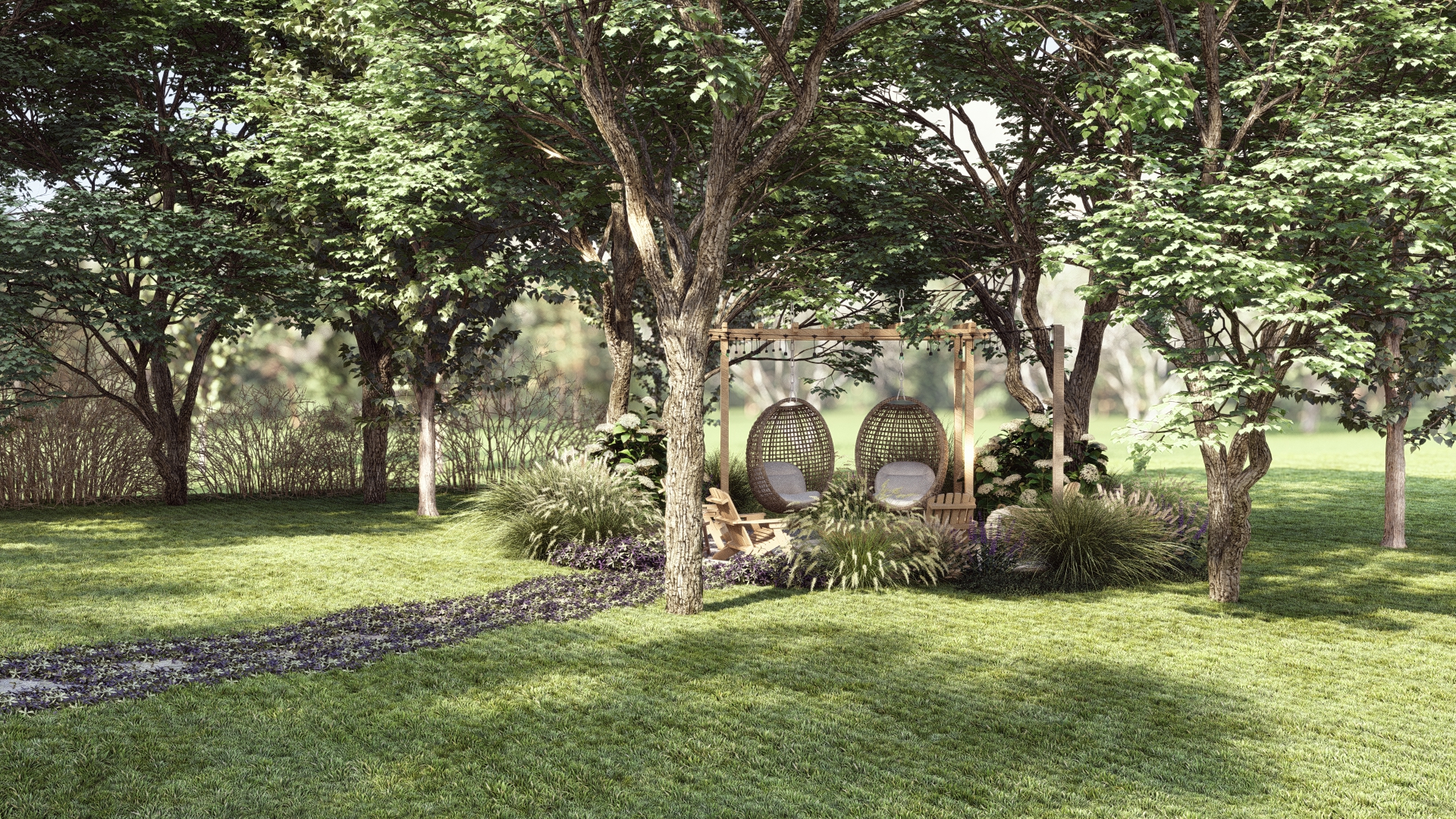
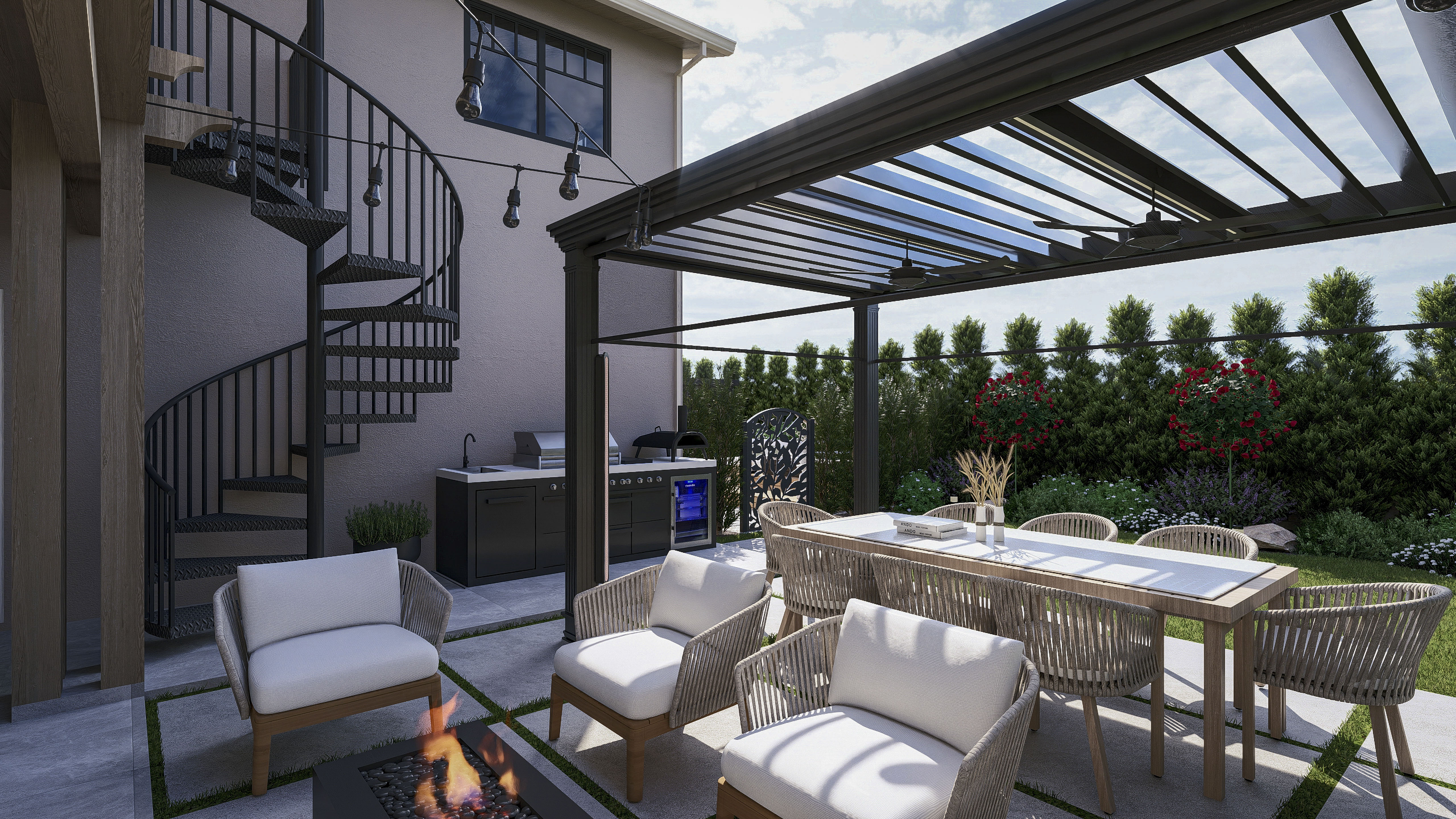
A well-designed outdoor living space is not just for ideal weather. It extends the seasons into cooler evenings with fire features and into hot afternoons with shade and airflow. This layering principle makes the backyard a year-round asset.
The hardscape and structure provide the bones of the room. A fire pit or gas fire table extends the usable season significantly into fall and cool spring evenings. The shade structure makes the space usable through summer afternoons. Finally, lighting extends every evening past sunset regardless of the season.
These features must work together spatially. A pergola that provides afternoon shade should also be the anchor point for overhead string lights. A fire pit positioned for evening gathering should have enough seating radius to function as the primary social zone. Designing features in isolation produces a space where the elements coexist but do not reinforce each other. You do not have to build every layer at once, but the plan for all of it needs to exist before any of it goes in.
For Instance, one of our clients built their space in two phases in Atlanta, Georgia. Phase one included a patio with a pergola and string lights. Phase two, the following spring, added a gas fire pit in the corner position already reserved in the original design. They also added a ceiling fan to the pergola beam where the electrical rough-in was placed during phase one. By the summer of year two, they had a space that worked on a hot August afternoon and a cool October evening. They use it nine months out of the year.
What Makes a Space Feel Like a Room Instead of a Patio With Furniture
There is a difference between a patio that has furniture and an outdoor living space that feels like a room. The difference is the definition of edges, the scale of the space, and a clear focal point.
- Edges: A space that bleeds into the lawn in every direction has no sense of enclosure. Enclosure can come from a low garden wall, a change in material at the patio perimeter, a planting border, or a pergola overhead. The space should feel bounded.
- Scale: A patio that is too small for the furniture feels cramped. A patio that is too large for the furniture feels empty. The design should determine the patio dimensions based on what will occupy it, including the room needed to walk between pieces.
- Focal Point: Every well-designed room has a point the eye travels to. In an outdoor setting, this is usually a fire feature, a water feature, or a significant structure. It should be intentional and positioned so that the primary seating faces it.
The outdoor living space that actually gets used is not always the most expensive one. It is the one that fits the way you live, down to which direction the grill faces and how far the seating is from the back door. Those details are the reason one backyard becomes the place everyone ends up, and another becomes just a nice view from the window. Bacqyard is here to help you achieve that.
Book a free consultation with a BACQYARD designer and talk through how you actually use your outdoor space. That conversation is where the design starts, and it costs nothing to have it.
Related Articles
.png)




Ready to co-design your outdoor space?
Start now—secure checkout, no hidden fees. Prefer to talk first? We’re happy to meet you.