Texas Backyard Landscape Ideas That Actually Work in the Heat (and the Storms, and the Social Season)
Texas backyard ideas built for the actual climate. Learn how to design for shade, drainage, storms, and the way Texans use their yards year-round.
Introduction
Most backyard landscape ideas you find online are designed for a generic climate that is not yours. Pinterest inspiration often features lush environments borrowed from the Pacific Northwest or the mid-Atlantic that fail to translate into the reality of a Texas property. Designing here does not require fighting the weather, but rather working in sync with it. A well-planned Texas backyard starts with the intensity of the July sun, accounts for the sudden force of an April hailstorm, and remains welcoming during a cool cookout in October. The good news is that a lawn designed with these environmental realities in mind becomes one of the most functional outdoor living spaces in the country.
A Texas backyard landscape is not about restricting your vision, but rather grounding it in the specific demands of your region. When you align your layout with your actual climate zone, you create a living space that stays usable for more of the year than most people in the country can claim.
Start With Shade, Because Everything Else Follows From It
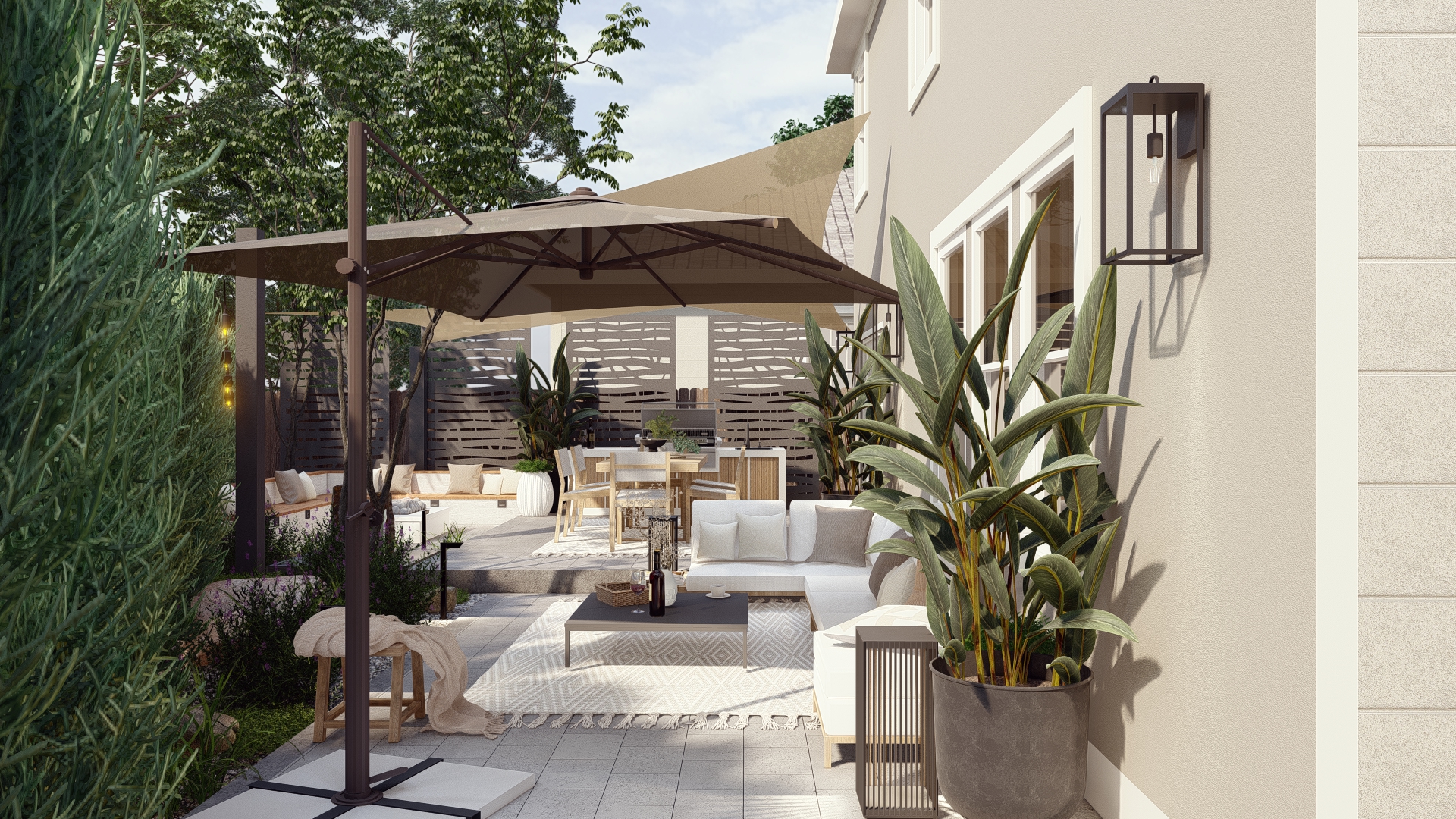
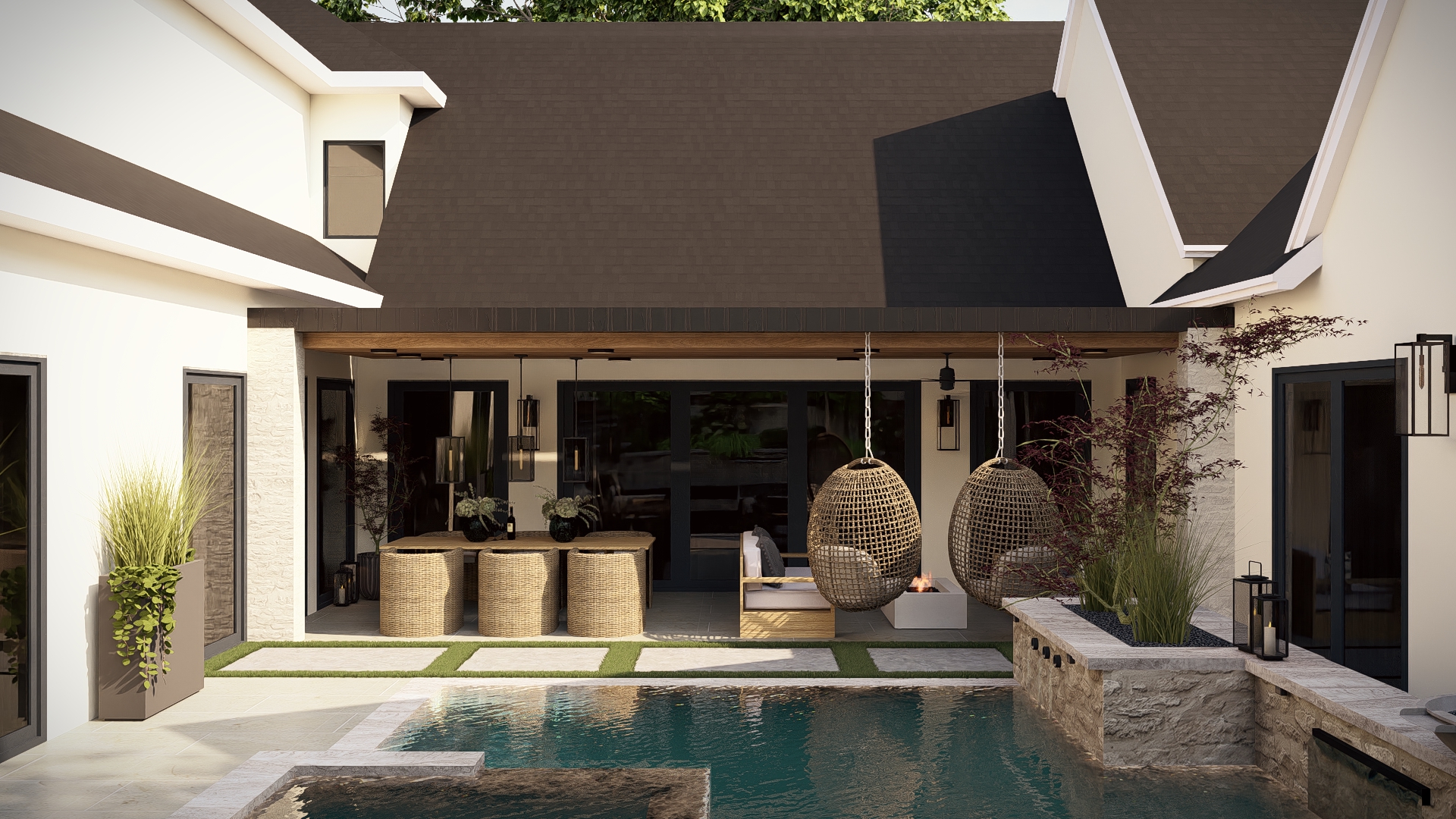
In Texas, shade is not a luxury feature; it is the foundational design decision. Where the shade falls determines where the seating goes, which in turn dictates the placement of your kitchen and lounge zones. You must view shade as a structural necessity rather than a decorative addition. Effective options include planting large-canopy trees like live oak or cedar elm to provide natural cooling, or constructing pergolas with shade cloth or louvered roofs. Pay close attention to the orientation of any structure relative to the harsh afternoon western sun. This is a deliberate design choice, not just a preference.
For instance, one of our clients, a homeowner in Austin with a west-facing backyard, recently installed a covered outdoor kitchen on the east side of the yard, shaded by a mature cedar elm and a steel pergola with motorized louvers. Because the afternoon sun hits the structure instead of the people, they successfully use the space from March through November without any problem.
Hardscape First, Lawn Second
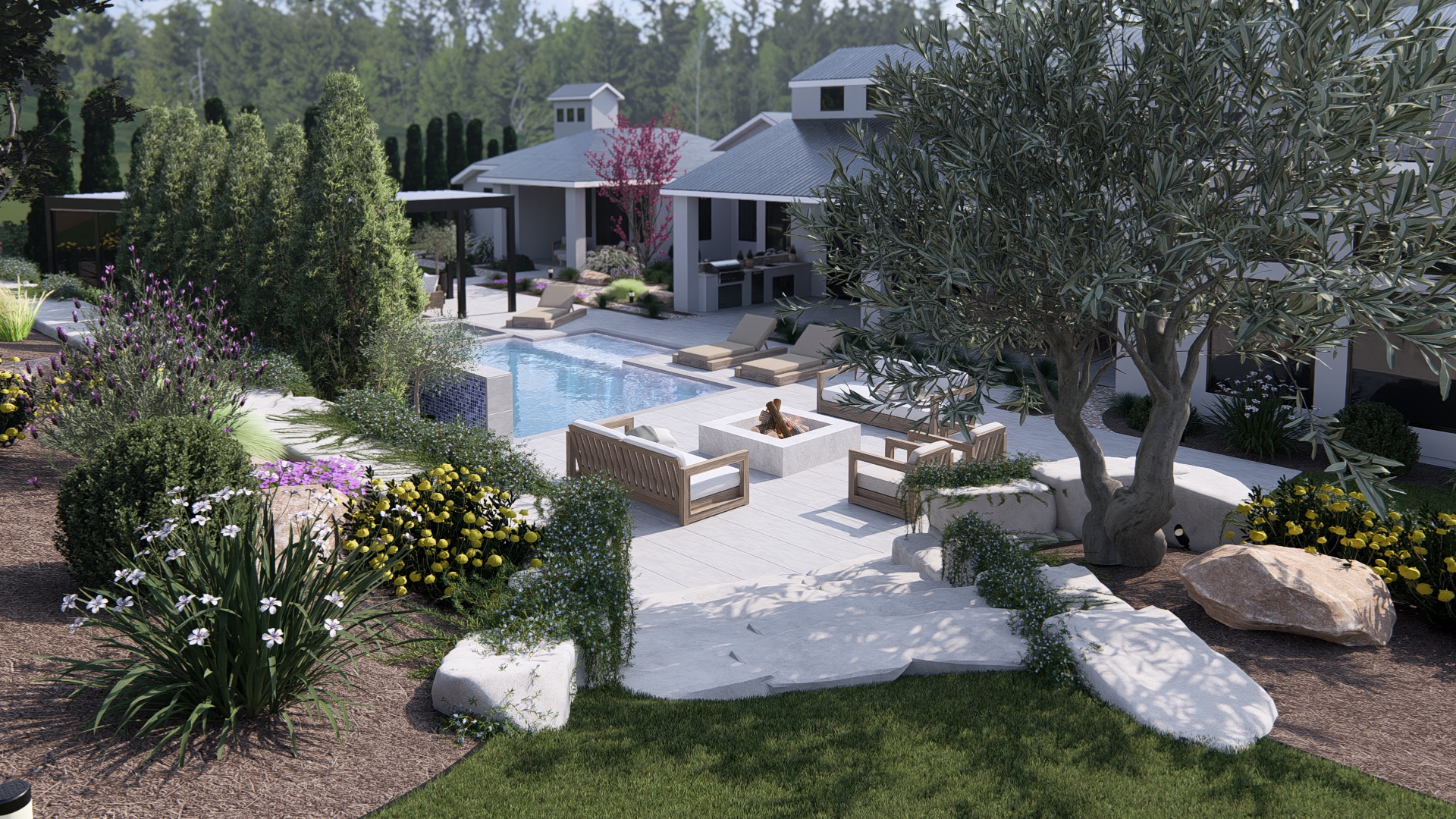
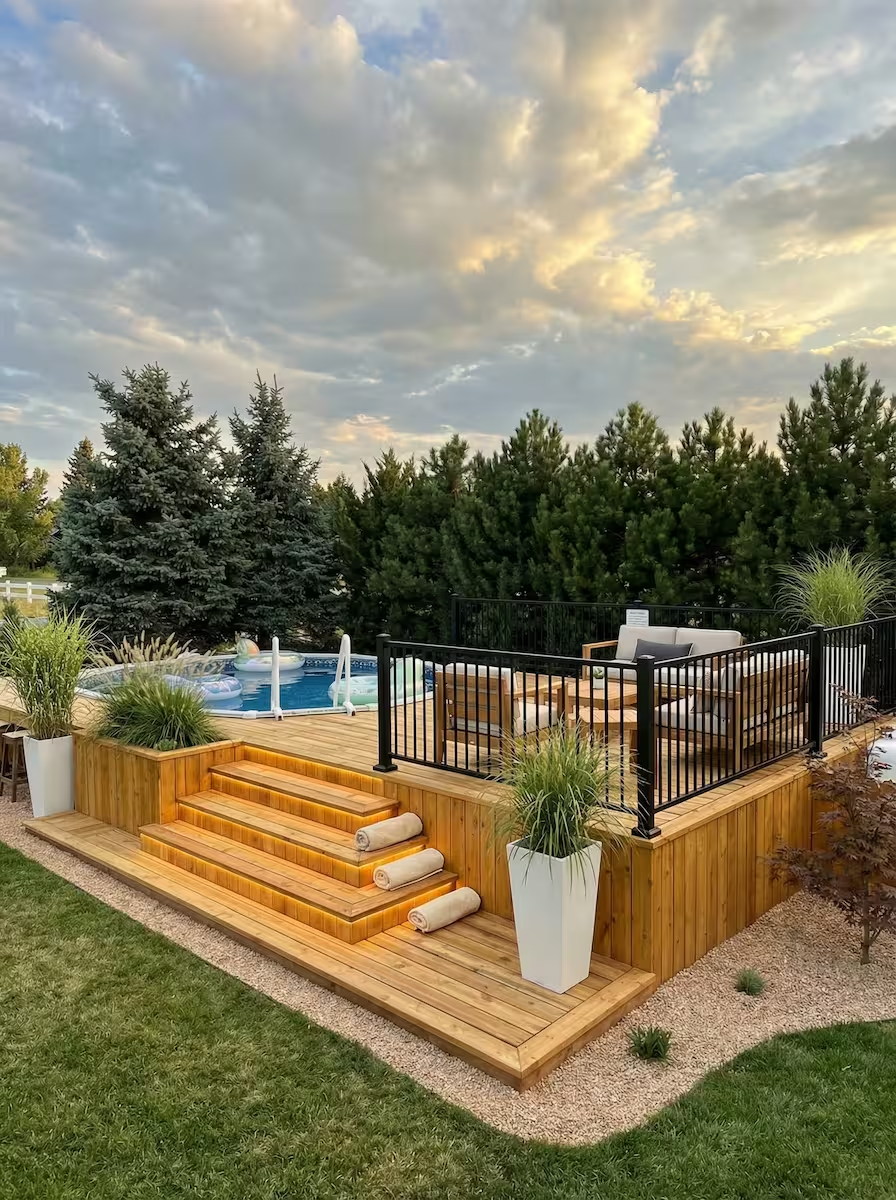
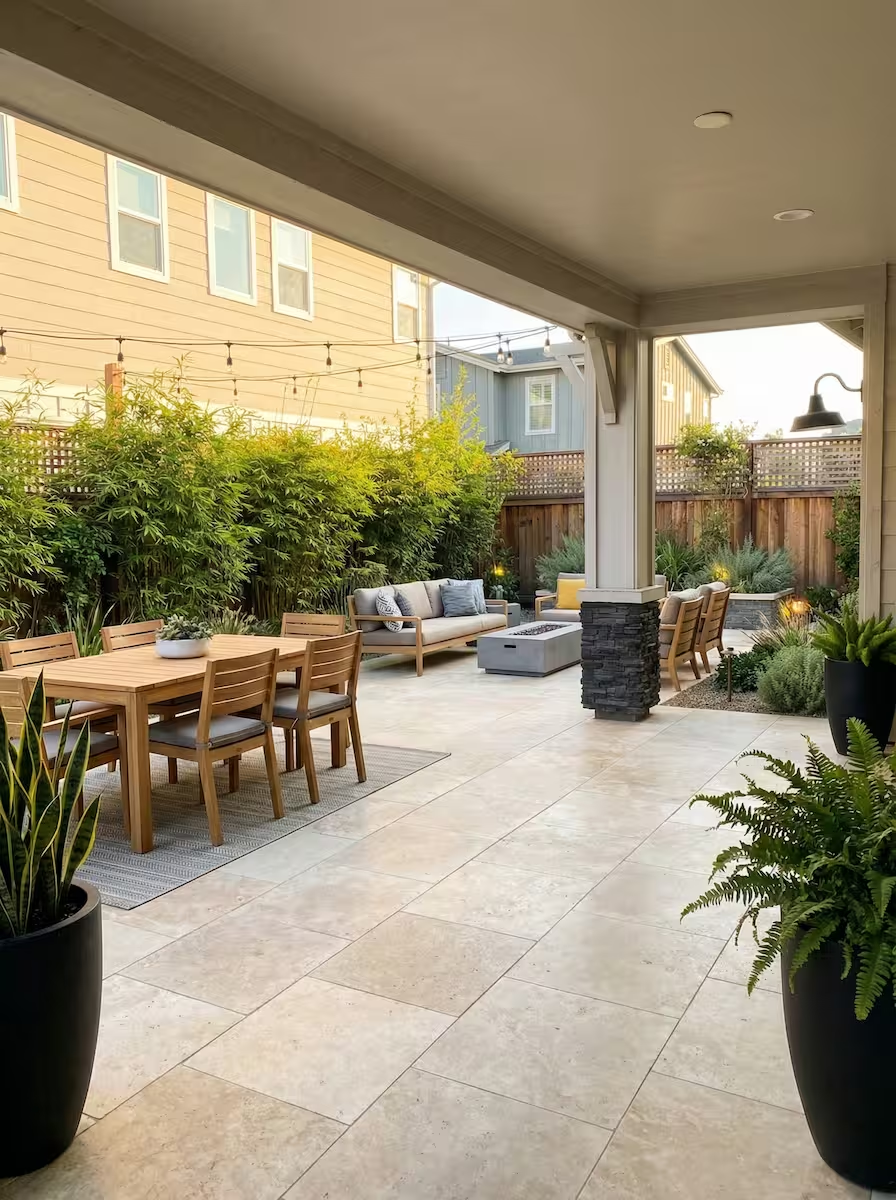
In most of Texas, particularly the Hill Country and the Dallas-Fort Worth metroplex, a traditional lawn is expensive to maintain and difficult to keep alive through recurring drought years. You might find better value and utility by pushing toward an expanded hardscape design. Materials like decomposed granite, flagstone, limestone pavers, and concrete patios with a textured finish handle the cycle of heat and cold well while standing up to high UV exposure.
Artificial turf, gravel and decomposed granite are some of the excellent choices for modern layouts that prioritize low water usage.
For instance, a homeowner in San Antonio recently replaced eighty percent of their high-maintenance lawn with a limestone paver patio, decomposed granite pathways, and a raised garden bed frame. Their water bill dropped by a third, and their contractor noted that the new patio added more livable square footage to the property than their previous interior renovation.
Plants That Belong in Texas
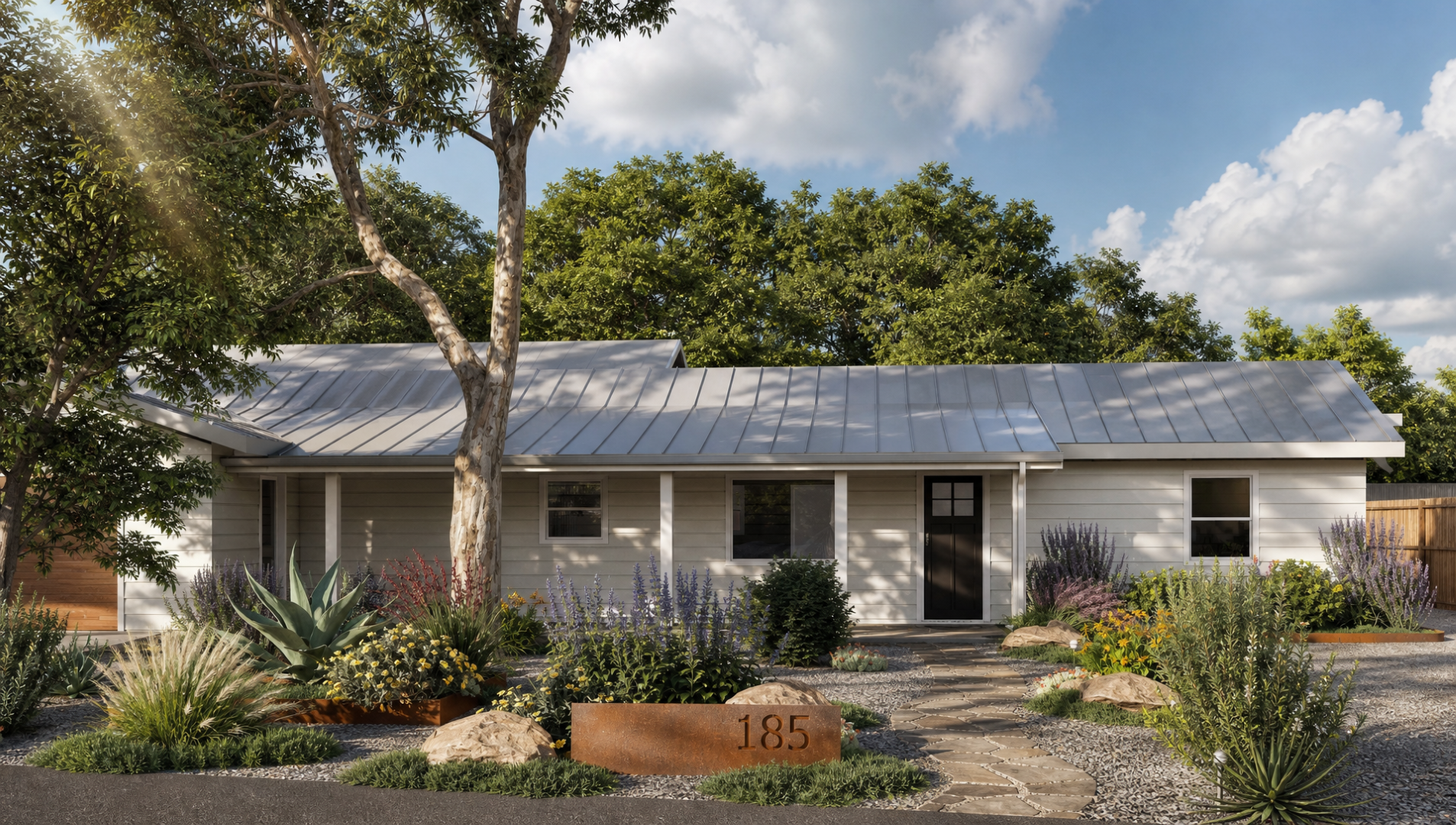
There is a major difference between generic drought-tolerant labels and plants that actually thrive in your specific soil. For plant selection, focus on varieties that handle the heat, such as Texas sage, agave, black-eyed Susan, lantana, Mexican feathergrass, and muhly grass. Be wary of commonly pinned plants that look beautiful in photos but struggle in Texas heat, such as Japanese maple, English boxwood, or standard hydrangeas in full sun.
Your climate zone matters immensely. Houston requires plants that tolerate humid subtropical conditions, while El Paso needs desert-hardy species, and Dallas sits in a transition zone. A homeowner in Houston near The Woodlands might choose a mix of loropetalum, knockout roses, and Gulf muhly grass for their beds. A skilled designer, like at Bacqyard, accounts for both the extreme summer humidity and the occasional hard freeze by avoiding frost-tender tropicals in exposed spots, ensuring the landscape survives the January cold snap without the need for protective tarps.
Design for the Storm, Not Just the Sun
Texas weather is defined by extremes, including flash floods, hail, high winds, and unexpected freeze events. A good design anticipates these conditions. Drainage is a critical functional requirement rather than an aesthetic one. When four inches of rain fall in an hour, you need a plan for where that water will go. Grade adjustments, French drains, dry creek beds, and permeable paving are essential components of a long-lasting yard. Sturdy structures also matter. A pergola must be engineered to handle wind loads, and paving materials should be selected for their resistance to hail damage.
For instance, a homeowner in the Dallas-Fort Worth area installed a dry creek bed running along their back fence line. It doubles as a visual feature filled with smooth river rock and native grasses year-round, but it becomes a primary drainage path during the spring storm season, successfully directing water away from the foundation and the neighbor's fence.
Outdoor Living Is the Point
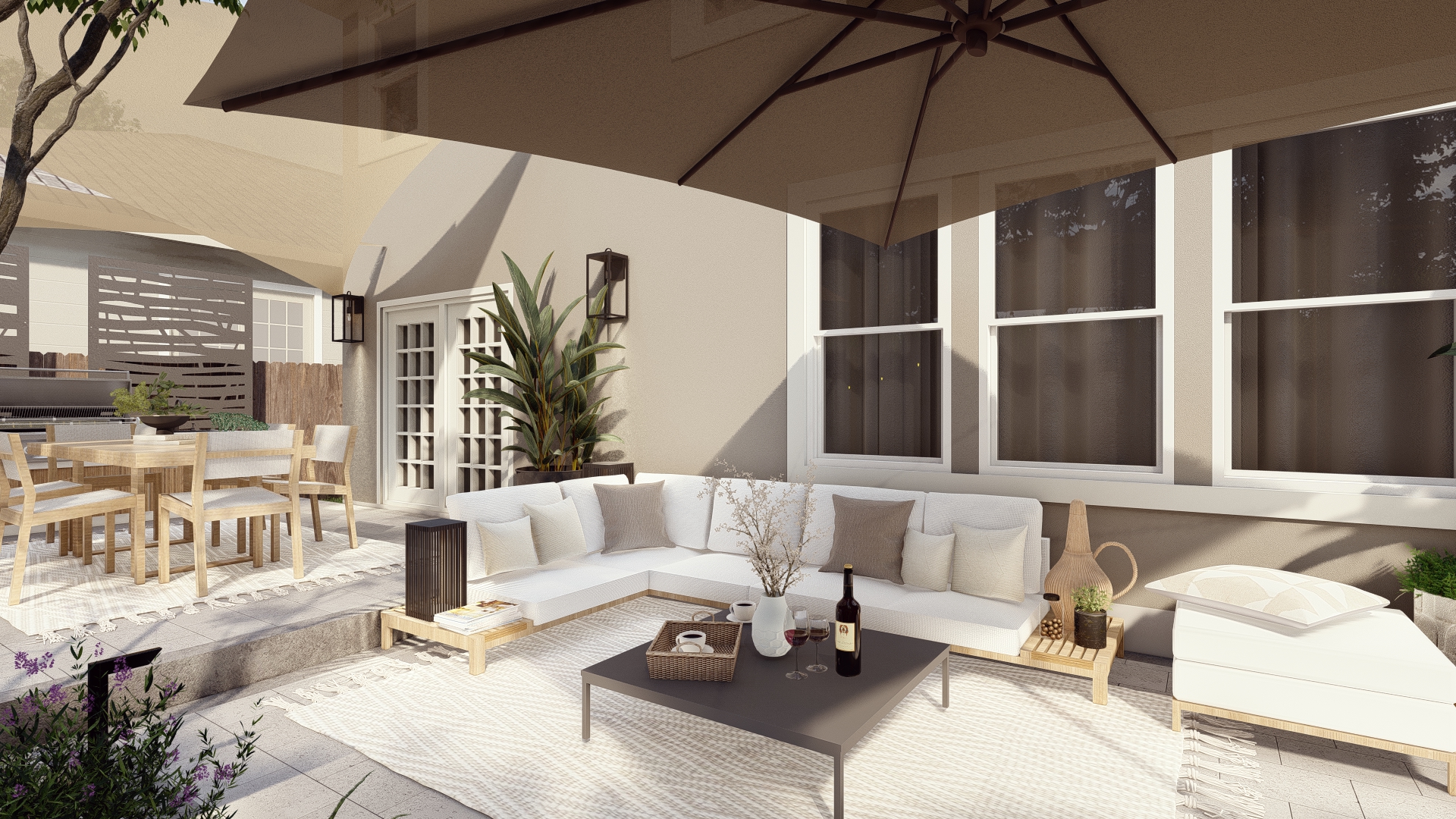
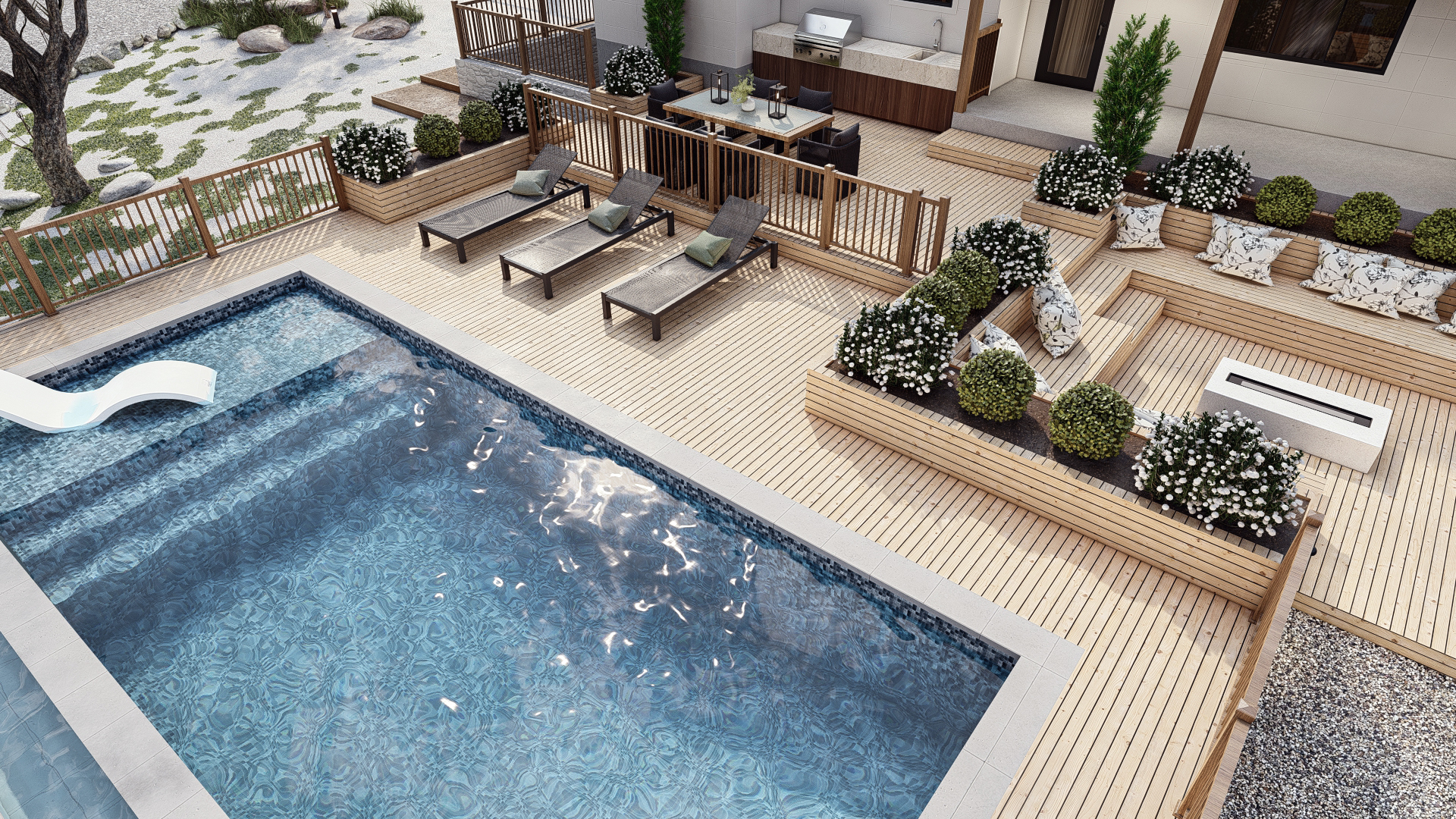
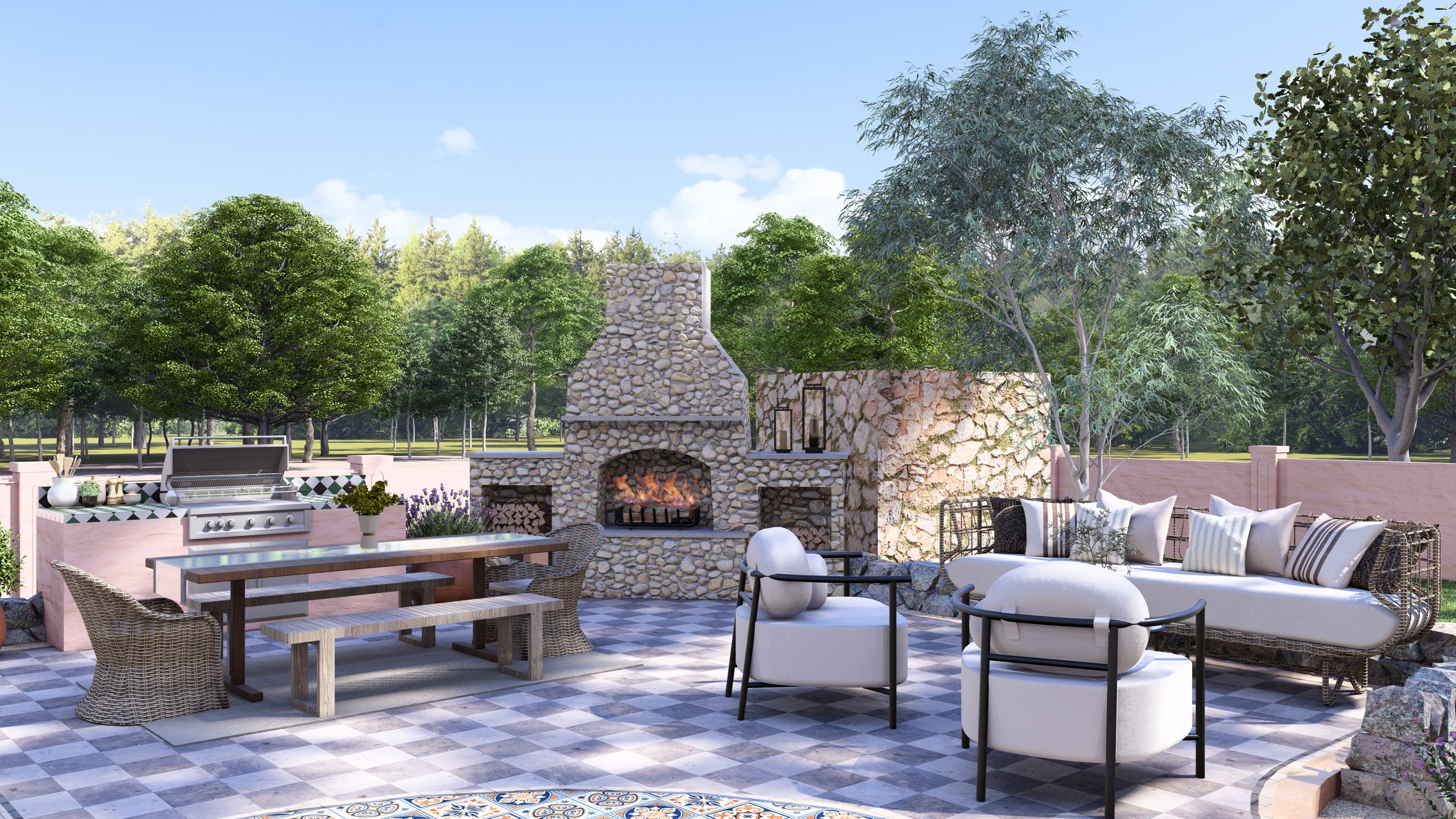
Texans use their backyards as a second living room. Whether you want distinct zones for cooking, lounging, and gathering, or a single unified space, the layout must serve your habits. Evening use is especially important in Texas. From May through October, the later hours are often the only comfortable time to be outside. Therefore, high-quality landscape lighting is not an optional accessory; it is what makes your investment usable after the sun goes down.
One of our clients in Plano designed their backyard in three connected zones: a covered outdoor kitchen attached to the house, a flagstone patio with a gas fire pit in the middle, and a lounge area along the back fence with string lighting and a built-in bench. They now host gatherings from six in the evening until midnight throughout the fall. The entire layout was planned before a single paver was poured, ensuring every zone functioned perfectly together.
Conclusion
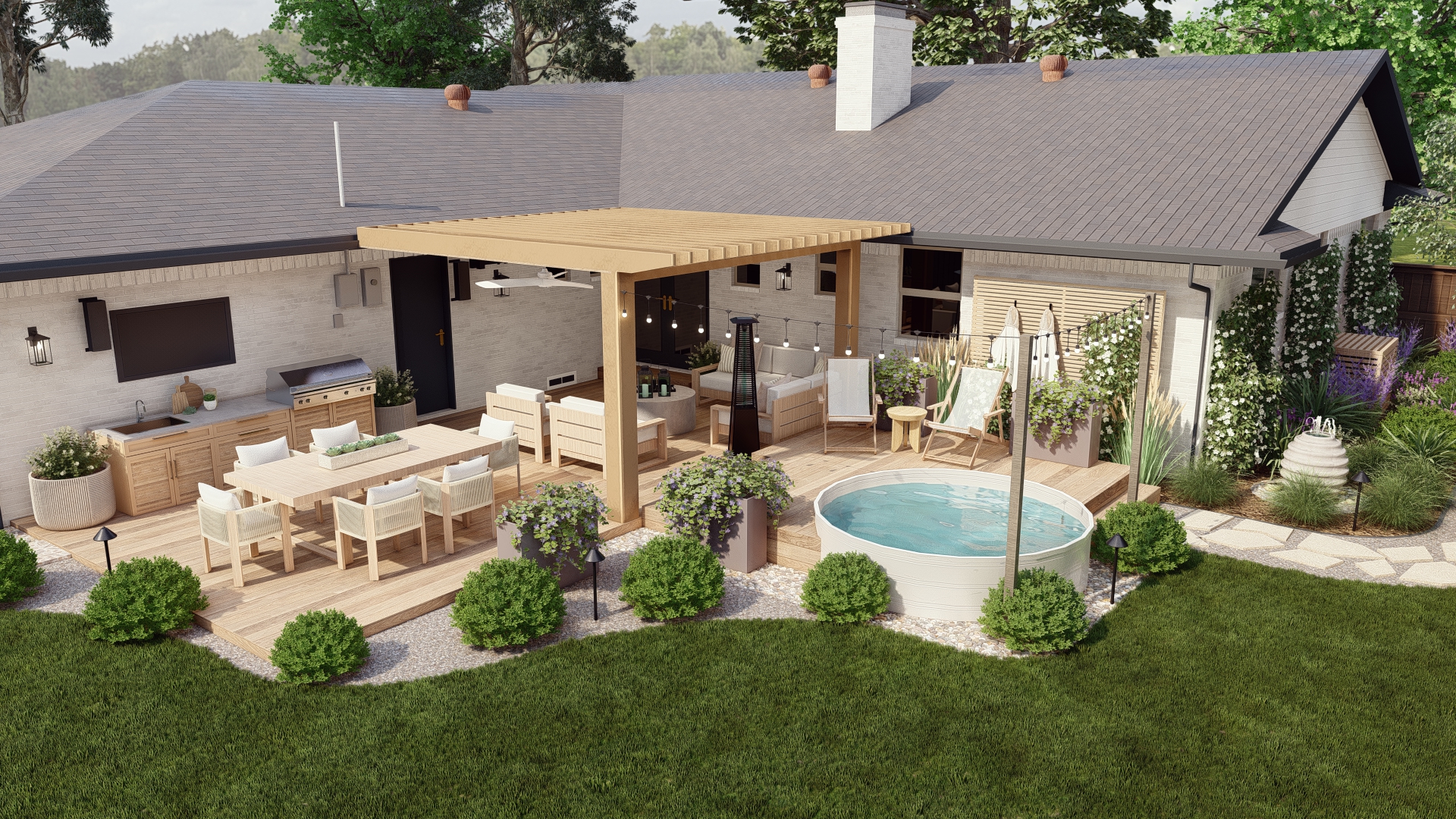
You have likely been thinking about your property for a while. Perhaps you have a collection of ideas saved, or you have walked outside after dinner trying to picture what your yard could become. Texas is a prime environment for outdoor living. The only remaining question is whether your design accounts for the real Texas: the heat, the storms, and those long evenings that feel perfect. That is the version of your home worth building.
CTA: Book a consultation with a BACQYARD designer and tell us where you are in Texas. We will build you a plan made for your specific climate zone, your property, and the way you actually want to live.
Related Articles
.png)





Ready to co-design your outdoor space?
Start now—secure checkout, no hidden fees. Prefer to talk first? We’re happy to meet you.