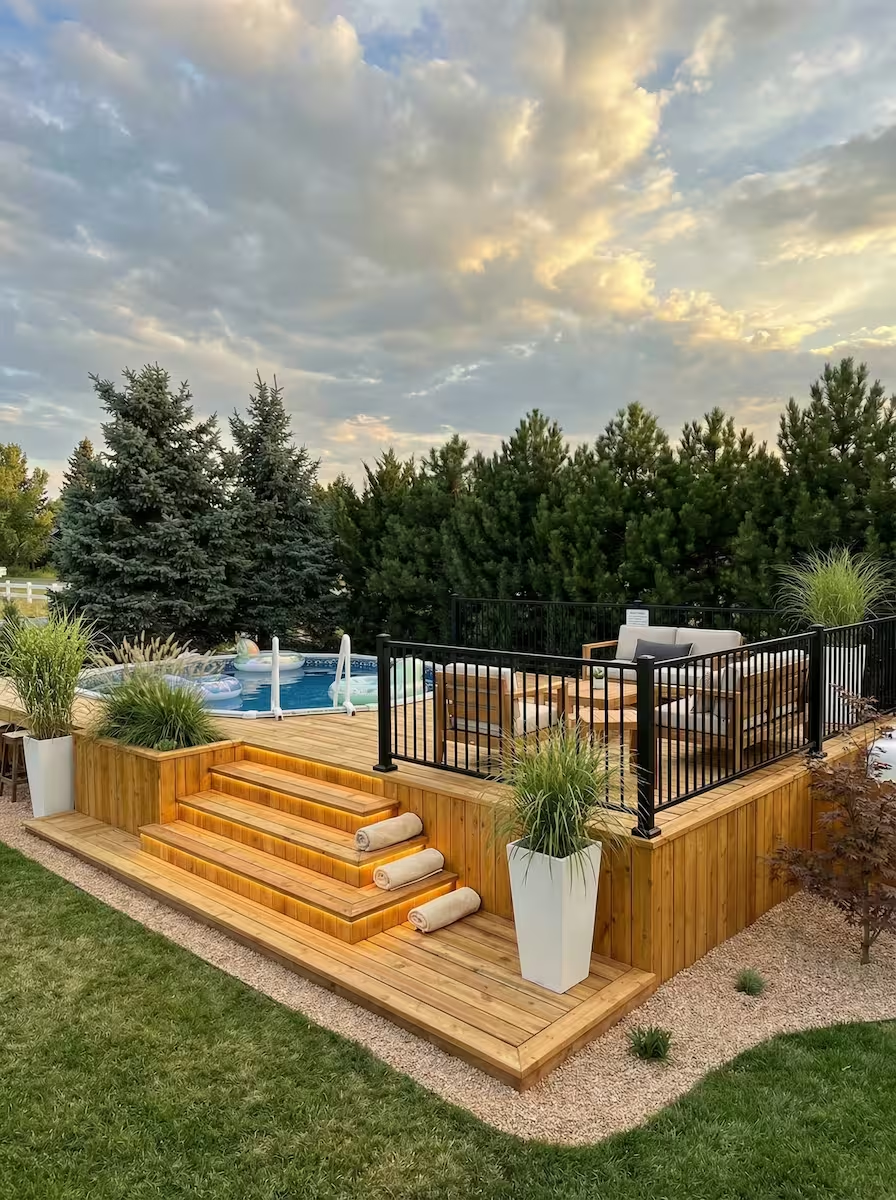
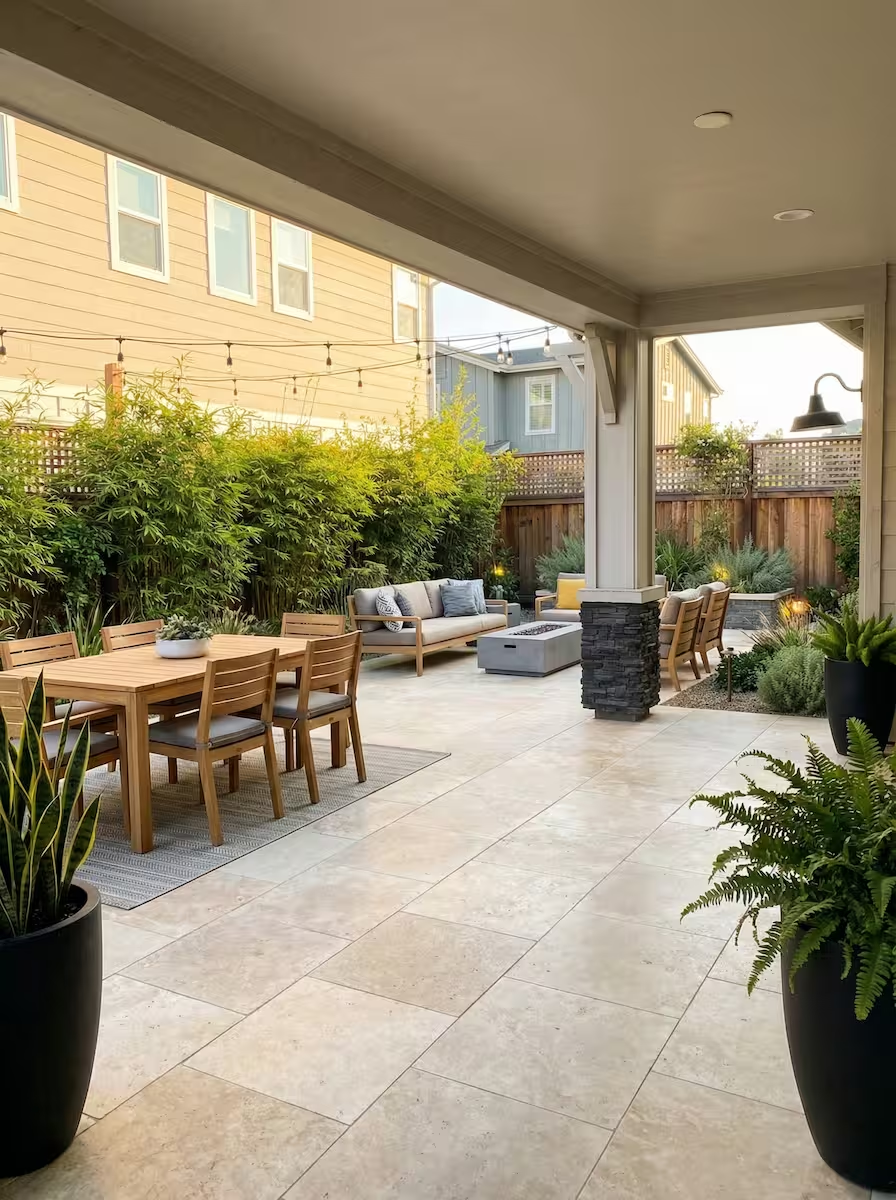
How to Design an Outdoor Living Space: The Complete Guide to a Backyard You Will Never Want to Leave
Learn how to design an outdoor entertainment space that works as one cohesive room, with expert tips on zones, features, lighting, and phased building from BACQYARD.
.jpg)
Introduction
We often see homeowners design their outdoor spaces one feature at a time. A fire pit one summer. A pergola the next. A lighting string draped over whatever is there. The yard ends up functional in pieces but never quite feels like a place. Designing an outdoor living space is not about picking features. It is about understanding how those features talk to each other and building a space that works as one room, not a collection of purchases. A well designed outdoor living space starts with how you actually live, not with a catalog, and the right sequence of decisions makes every dollar you spend go further.
Before You Pick a Feature, Answer These Three Questions
The journey to a functional yard does not begin with a trip to the local store or a scroll through social media. You need to answer three foundational questions that will guide every layout choice.
- How many people do you typically host?
- Do you use the yard more for quiet evenings or large parties?
- Do you want the space to connect to the interior of the home or feel like a separate destination?
Your answers to these questions drive the entire layout. A family of four that hosts dinner parties needs different zone placement than a couple who wants a quiet fire pit spot for morning coffee. This brings us to the concept of zones as the organizing principle of any entertainment space. Think of your yard as a series of rooms. You might have a cooking zone, a gathering zone, and an ambient or relaxation zone. Not every yard needs all three, but every yard needs to know which ones it is planning for from the very start.
Which Features Belong Together and Why
Once you have identified your zones, you can begin to select the specific features that will fill them. Based on BACQYARD customer data, there are five features that provide the highest return on investment for entertainment. These include:
- Landscape lighting
- Fire Pits
- Pergolas
- Patios
- Outdoor Kitchens.
You should not just toss these into the yard at random. You must layer them so they work as a unit.
.jpg)
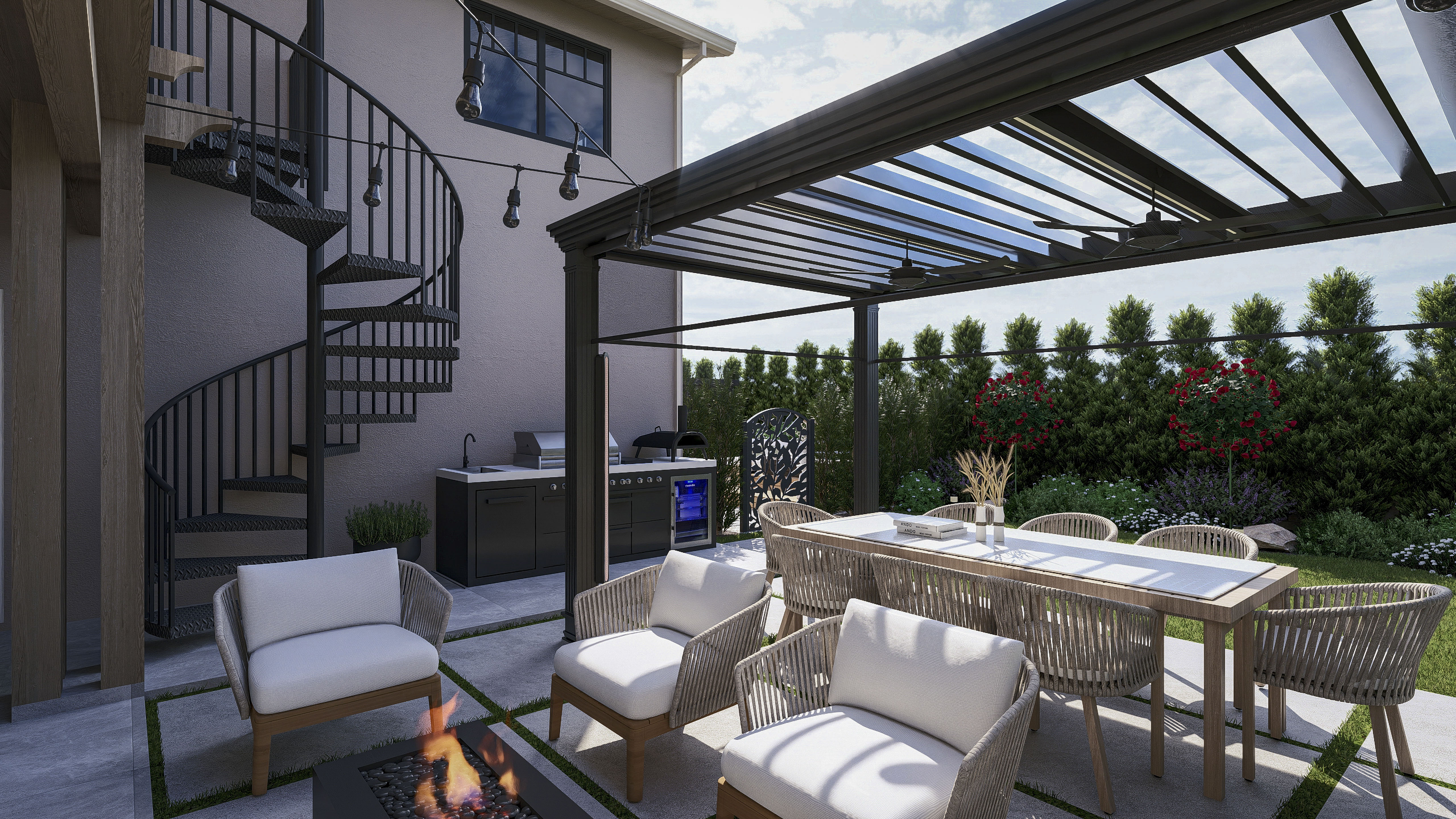
A key principle to remember is that shade structures and gathering features create the physical framework of the yard. Lighting and hardscape serve to connect and extend these areas. Cooking features act as the anchor of the functional cooking zone. A space that has one of each category is balanced and versatile. A space that has four fire features and no shade is lopsided and will go unused during the heat of the day. For example, a pergola creates the framework for your gathering zone and defines the boundaries of the outdoor room. You can see our complete pergola guide for more information on materials, costs, and styles that might fit your vision.
The sequence of installation is just as important as the features themselves. Hardscape and structures must go in first because they involve the most significant construction and ground disruption. Lighting and planting come last as the finishing touches. For more detail you can also visit our guides on How to Design Landscape Lighting and a Comprehensive Approach to Best Plant Selection for your yard.
The Spatial Rules That Separate a Great Outdoor Space From a Frustrating One
There are layout principles that professional designers apply automatically which most homeowners miss. First, you must consider clearance requirements. Fire pits need a minimum of ten feet of clearance from any structures or low hanging trees. Our Ultimate Guide to Fire Pits covers safety, materials, and placement in depth so you can plan with confidence. Outdoor kitchen counters need forty two to forty eight inches of working space around them so the cook can move freely without bumping into guests.
Second, think about the traffic flow of your guests. The path from your back door to the farthest point of the yard should never cut through a seating or cooking zone. Third, you should prioritize sightlines. From the primary seating area, you should be able to see the cooking zone to stay part of the conversation. If children are involved, you must be able to see the play area from where you sit. Design the gathering zone first, then orient everything else to it.
Why Landscape Lighting Is the Last Thing People Plan and the First Thing They Regret Skipping
Landscape lighting is the most requested feature in our customer data and it is included in over half of the designs we create. Yet, it is also the feature most often treated as an afterthought by those who do not use a professional plan. To do it right, you need three distinct layers of light.
.jpg)
- Ambient lighting includes overhead string lights or fixtures mounted to a pergola to create a general glow.
- Task lighting covers the cooking zone and pathways to ensure safety while you work or walk.
- Accent lighting involves uplighting on trees or architectural structures to create depth and drama.
A complete entertainment space uses all three layers. Ambient, task, and accent lighting work together to extend your space into the evening. There is a technical reason to plan for lighting very early in the process as it costs nothing extra in terms of materials. Adding it after construction is finished costs significantly more in labor and repairs.
How to Phase a Project Without Painting Yourself Into a Corner
Budget is a reality for most projects. You do not have to build everything in one season. You should phase the build, but not the design. Get a complete plan first. Then build as your budget allows. This prevents the mistake of installing something in year one that must be removed in year two to accommodate your full vision.
.jpg)
The approach of BACQYARD provides the full picture from the start. The contractor can sequence the build correctly to protect your investment.
Book a free consultation with a designer at BACQYARD and walk away with a clear picture of what your outdoor living space could look like, zone by zone, feature by feature, and phase by phase.
Related Articles
.png)




Ready to co-design your outdoor space?
Start now—secure checkout, no hidden fees. Prefer to talk first? We’re happy to meet you.