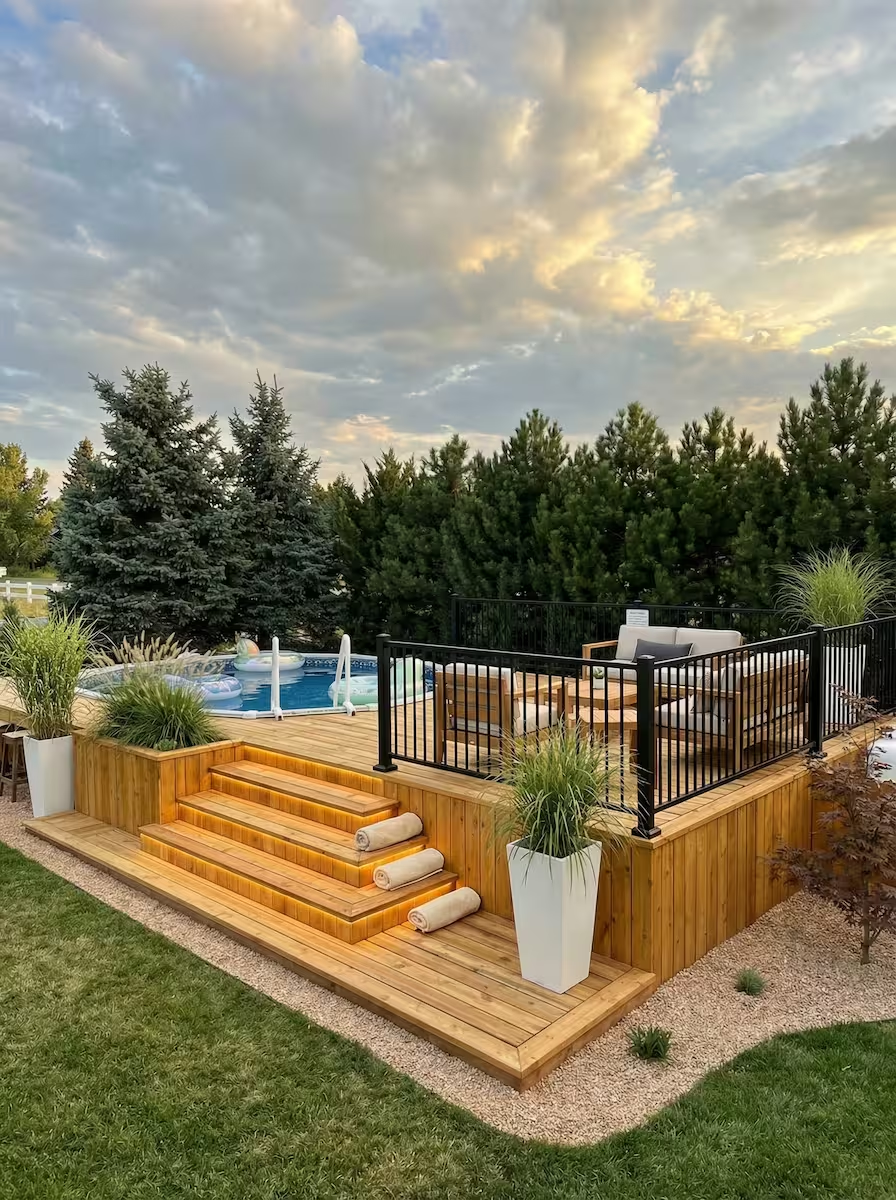
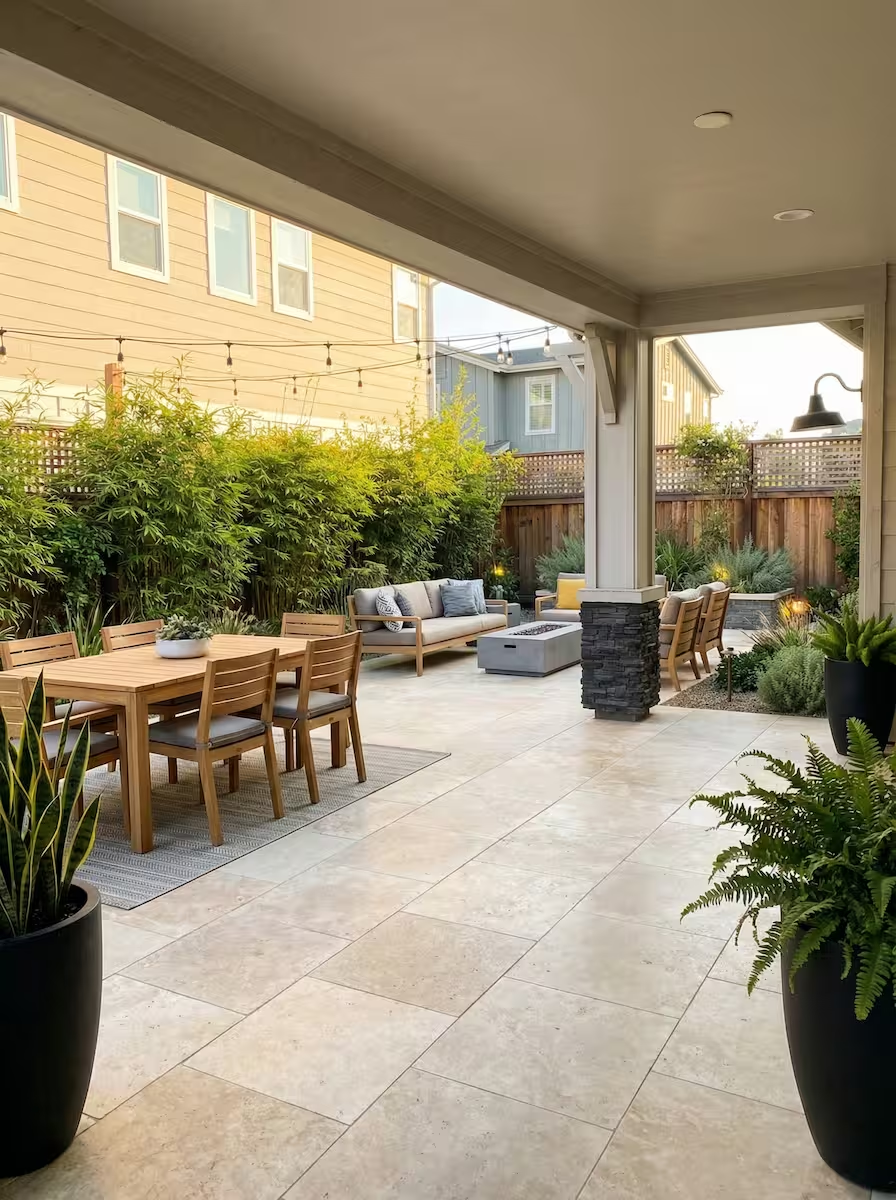
Thinking About a West Coast Landscape? Read This Before You Start
The West Coast is three different climates, not one. Here is what California, Oregon, and the Pacific Northwest each actually need from a landscape design.
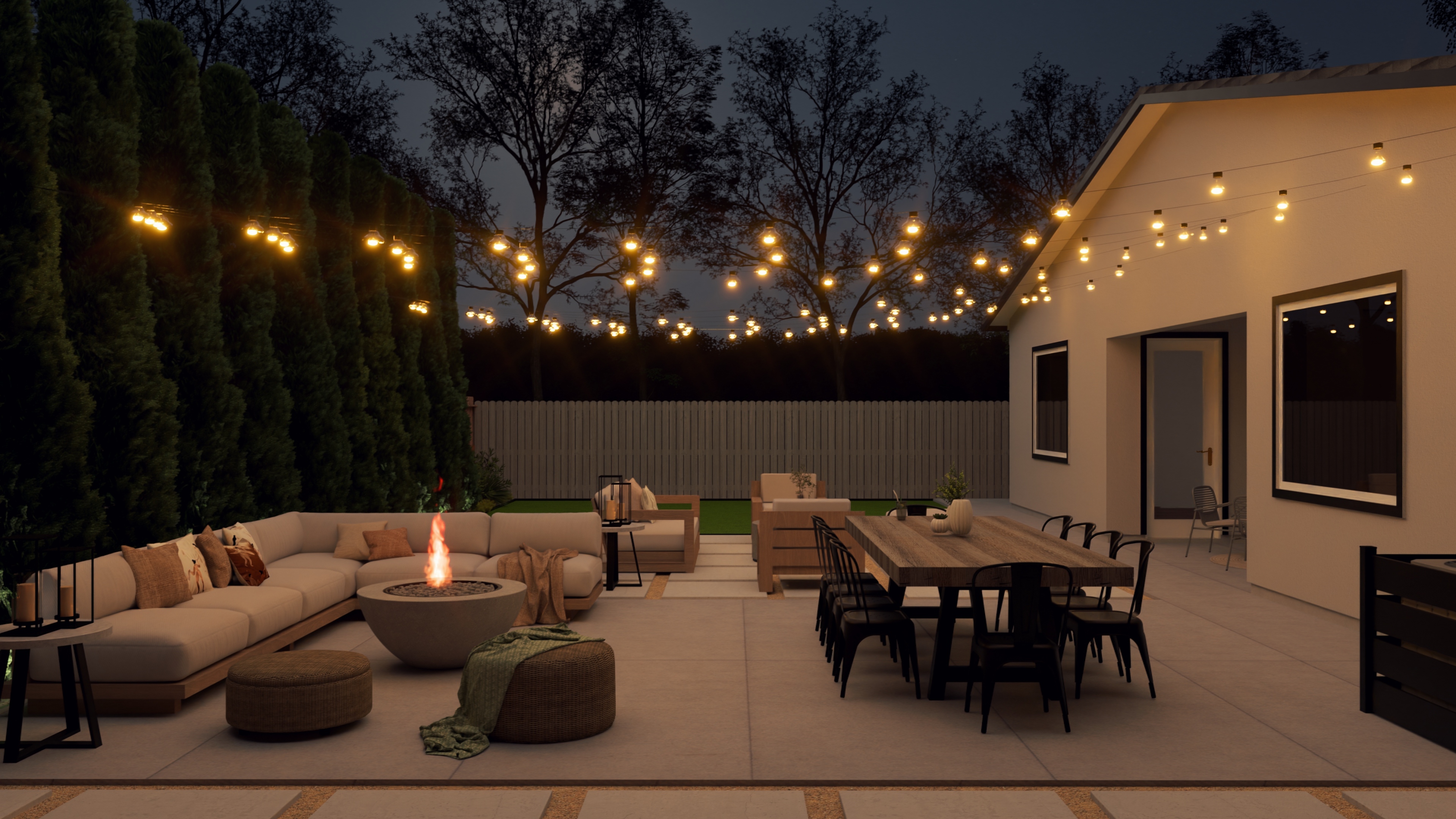
Living on the West Coast comes with a promise: you can actually use your yard. Not for a few weekends in summer, but for most of the year. That is the pitch, and for the most part it is true. The outdoor living culture out here is one of the best things about where you live.
But here is the part most landscape advice gets wrong. It treats the West Coast like it is one place. It isn’t. It’s three very different places that happen to share a coastline, and a design that works beautifully in San Diego can fall apart in Portland. I’ve seen it happen. So before you start, it’s worth understanding which West Coast you are actually designing for.
Consider where I’m coming from. I design and install landscapes, and I’ve worked across all three of these climates long enough to know they are not interchangeable. California homeowners build around year-round sun, water limits, and backyards made for entertaining. Oregon homeowners build around rain, native plants, and a summer that shows up late and gets used hard. Up in the Pacific Northwest, people build for green that lasts all year and a short outdoor season they treat like gold. Same coast. Three different blueprints.
How different? Southern California is semi-arid Mediterranean. The Bay Area runs on coastal fog and stays mild basically year-round. Sacramento hits triple digits through August. Portland gets around 36 inches of rain a year. Seattle’s outdoor season is short, used hard, and valued accordingly. The one thing they share is this: out here, the yard is supposed to be a real part of the house. If your design doesn’t start with your specific region, you are working from the wrong plan.
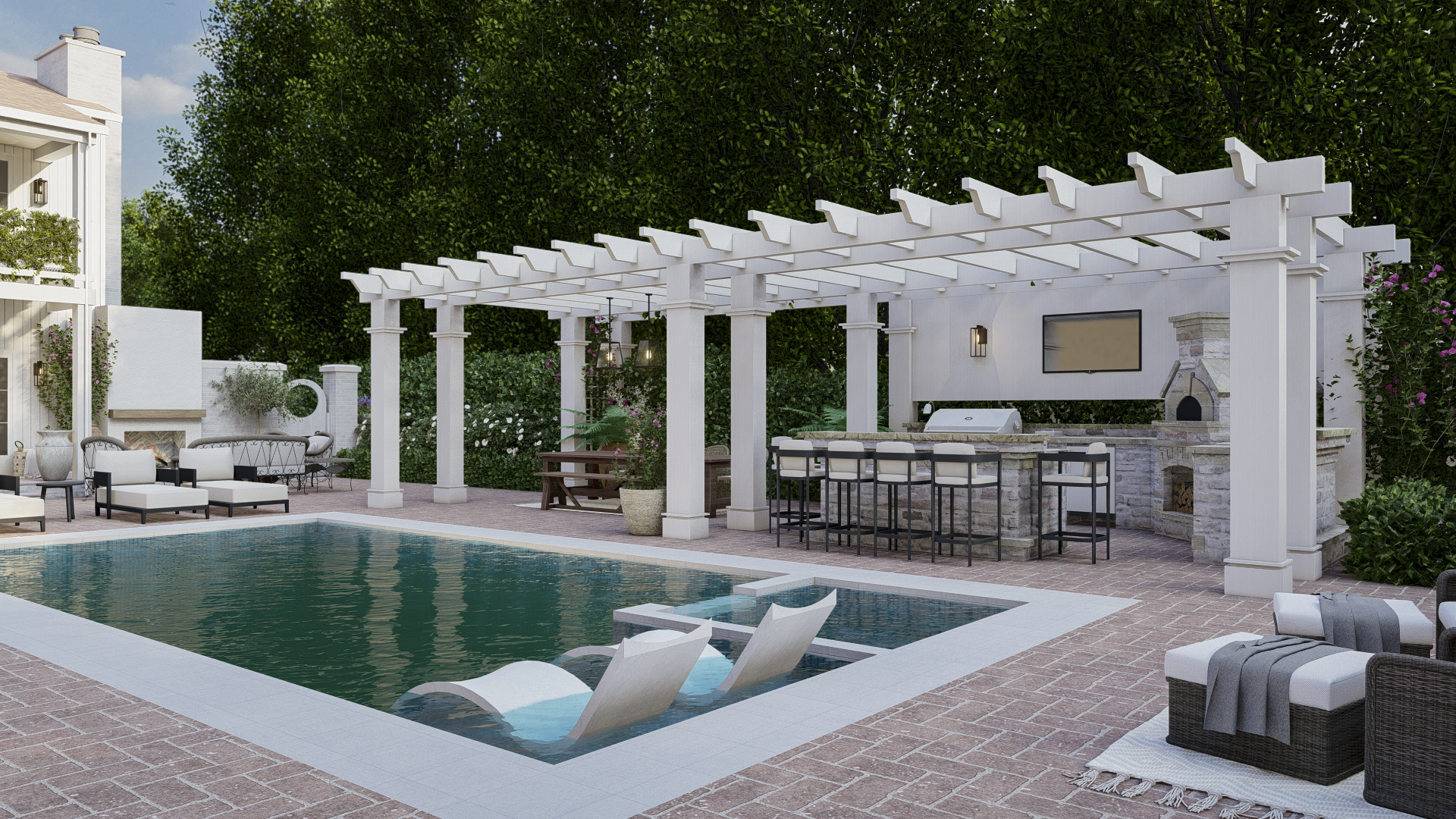
Let’s start with California, because it’s the only place in the country where a contractor might schedule a November concrete pour and nobody blinks. The season doesn’t really end here. It shifts. The evenings cool off, the light goes golden, and people drift from the pool to the fire pit without ever stepping inside. That is the baseline expectation, and it raises the stakes on every choice you make.
Shade is where most California backyards win or lose, and it happens before a single plant goes in. I don’t mean shade in some general sense. I mean exactly where the shade lands at 4pm on a west-facing patio in July. I once saw a Los Angeles backyard with a pergola that looked perfect in the morning. It got oriented based on how the yard felt during the visit, and the owners spent the next two summers giving up on the space by early afternoon. The fix reoriented the whole structure, added a louvered roof, and moved the outdoor kitchen onto the same utility run as the pool equipment. One real decision, and a completely different relationship with the yard.
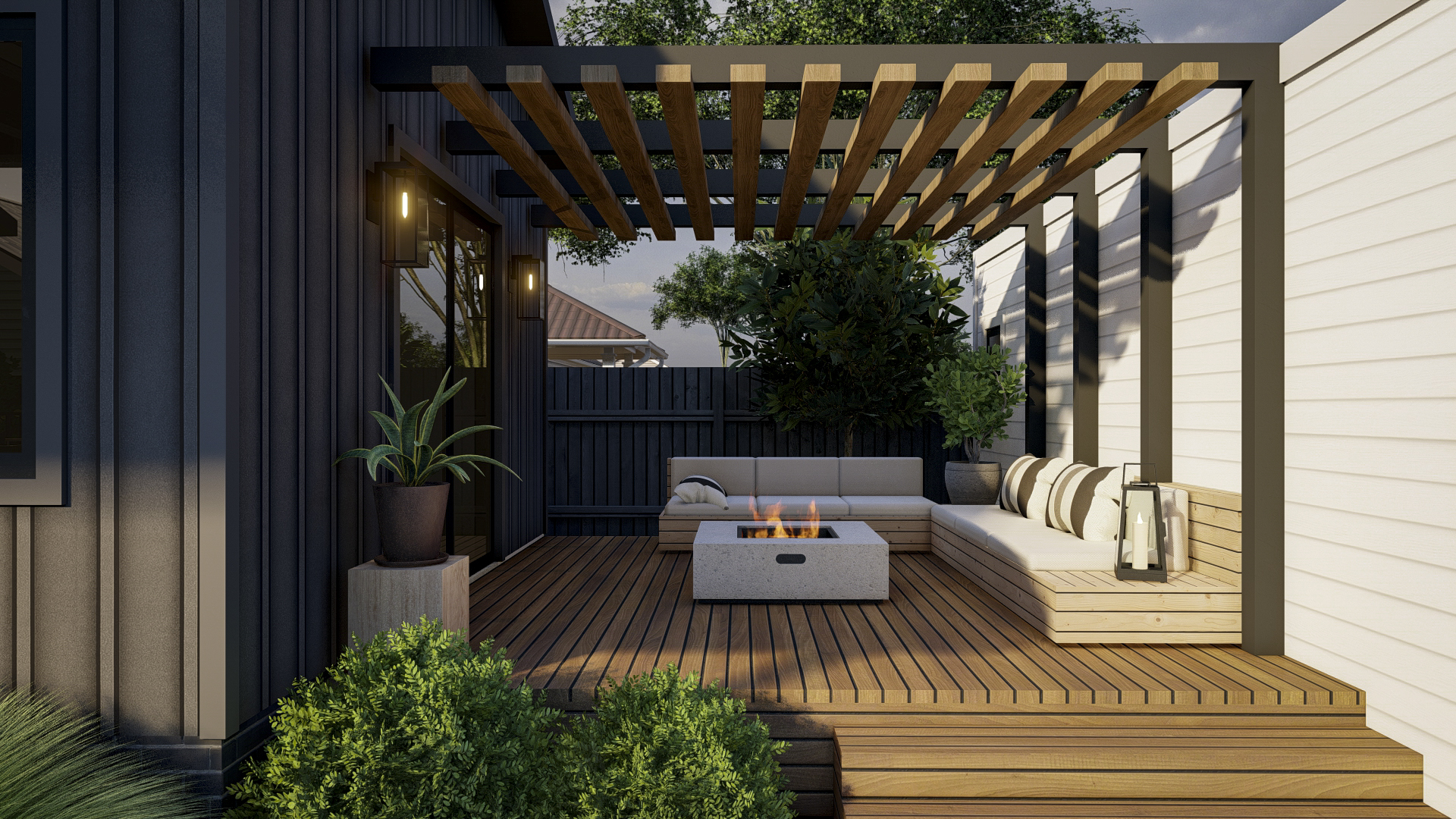
Water is the next conversation, and in California it is not optional. Drought, tiered water pricing, and city restrictions have turned water-wise design into the starting point, not some upgrade you tack on later. Fire features, pergolas, outdoor kitchens, landscape lighting: those are the things California homeowners ask for most. The mistake I see again and again is people planning each one on its own, then trying to stitch them together afterward. Plan them as one connected system from the start. That is the only way a California backyard actually earns its square footage.
Now drive north to Oregon, because Portland has its own design culture and it has nothing to do with California. The homeowners here take outdoor living just as seriously, and the plant palette is one of the richest on the whole coast once you learn it.
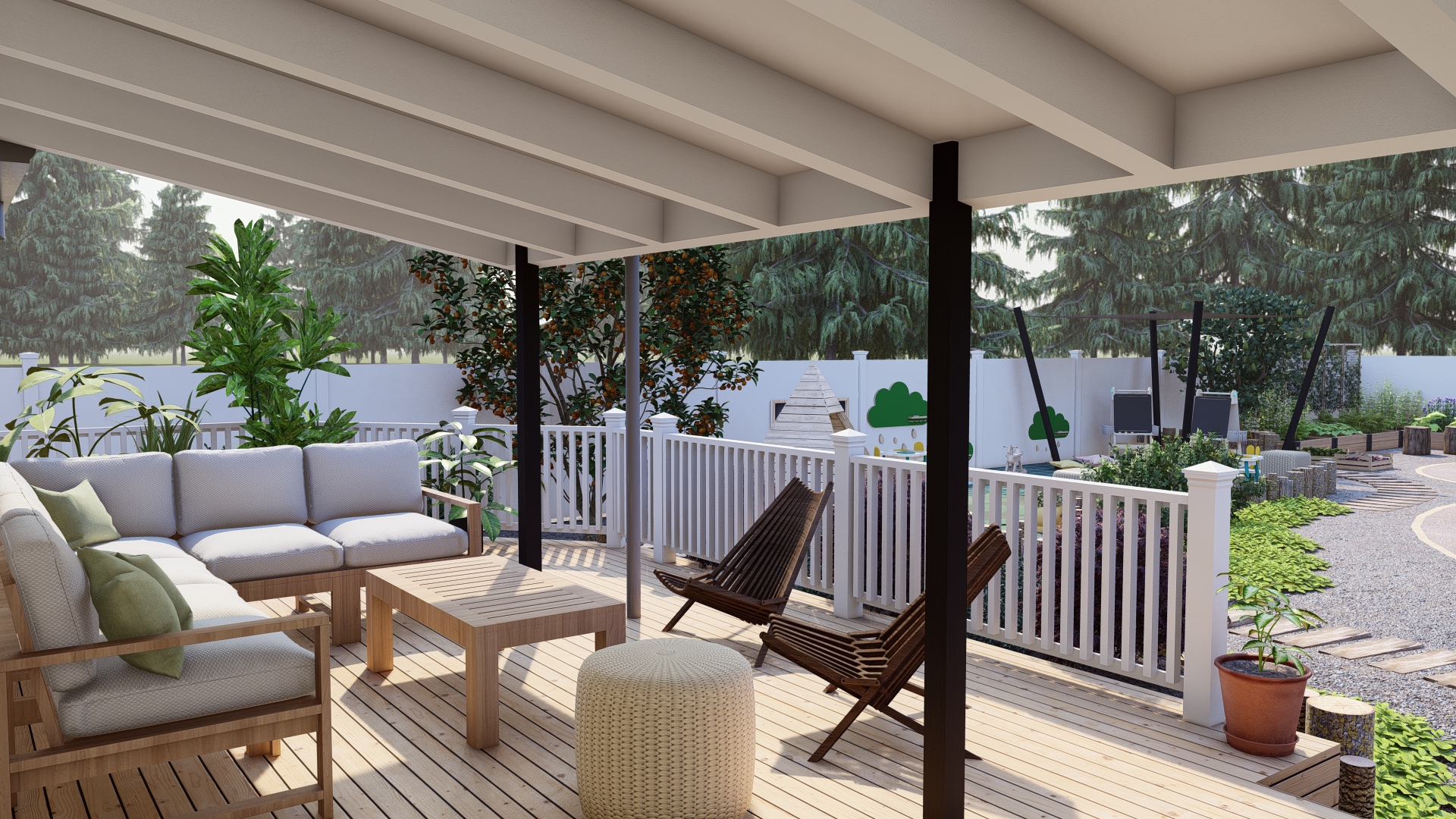
In Portland, a covered structure is not a nice-to-have. It is the thing that decides whether you use your yard for eight months or four. I watched a homeowner in the Sellwood neighborhood put in an open patio with no real thought to drainage or cover. From November through March it basically sat underwater and went unused. The redesign added a covered pergola, a permeable gravel path system, and a dry creek bed that carried rain to a gravel basin at the back fence. After that, they were outside from April through November.
And the natives here do real work. Red flowering currant, Oregon grape, salal, sword fern, vine maple: this palette handles wet winters and dry summers without supplemental watering once it’s established. If you fight the rain, the rain wins. Design with it.

Keep going up to Seattle and the Puget Sound, and the whole identity shifts again. This is less about heat and drought and more about a space that still looks good on a grey November afternoon and then comes fully alive the moment the sun shows up. The answer is layering. Evergreens for year-round structure. Deciduous accents like Japanese maple for fall color. Groundcover to fill in between. I think of a Capitol Hill backyard built for evening entertaining from June through September that still needed to look polished the rest of the year. The design layered a Japanese maple, evergreen ferns and boxwood, a covered seating area with string lights and a gas fire feature, and decomposed granite paths that held up through the wet season instead of turning to mud. A lot of these lots also come with grade changes, which shape the design from day one. You work with the slope, not against it.
So what ties all three together? More than you would think. Shade structures matter everywhere, even if the stakes shift as you move north. Water efficiency is the baseline up and down the coast. Entertainment features drive the design in all three regions. And plant selection is where being specific matters most, because a palette built for coastal San Diego looks nothing like one built for Portland or Seattle.
Here is the cautionary tale I keep coming back to. Someone moved from Scottsdale to the Bay Area and brought their desert instincts along: dark pavers, almost no shade, drought-adapted desert plants. Within a year the fog, the cooler temperatures, and a different hardiness zone had made half of it wrong for where they now lived. A designer who started with the Bay Area microclimate would have caught all of it before anything got installed. That, in one story, is the whole point of a climate-specific plan.
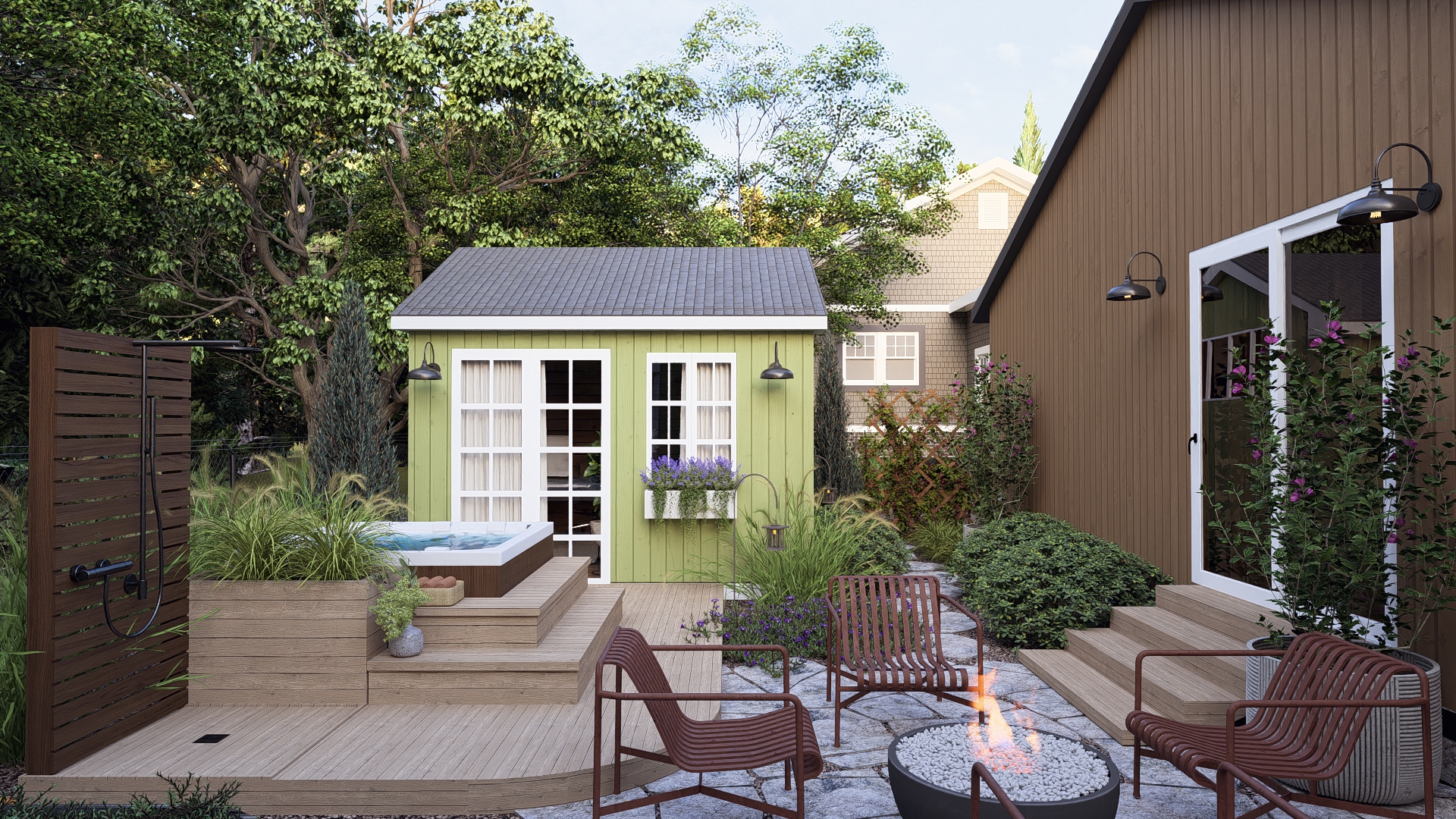
You didn’t end up on the West Coast because you wanted an average yard. A good West Coast landscape doesn’t fight the climate. It reads it, responds to it, and gives you something that is actually usable, actually beautiful, and actually yours.
If you want a designer who starts with your exact spot on the coast, book a consultation with a BACQYARD designer and tell us where you are. We will build the plan around your climate zone, your property, and the way you want to live outside.
Related Articles
.png)





Ready to co-design your outdoor space?
Start now—secure checkout, no hidden fees. Prefer to talk first? We’re happy to meet you.