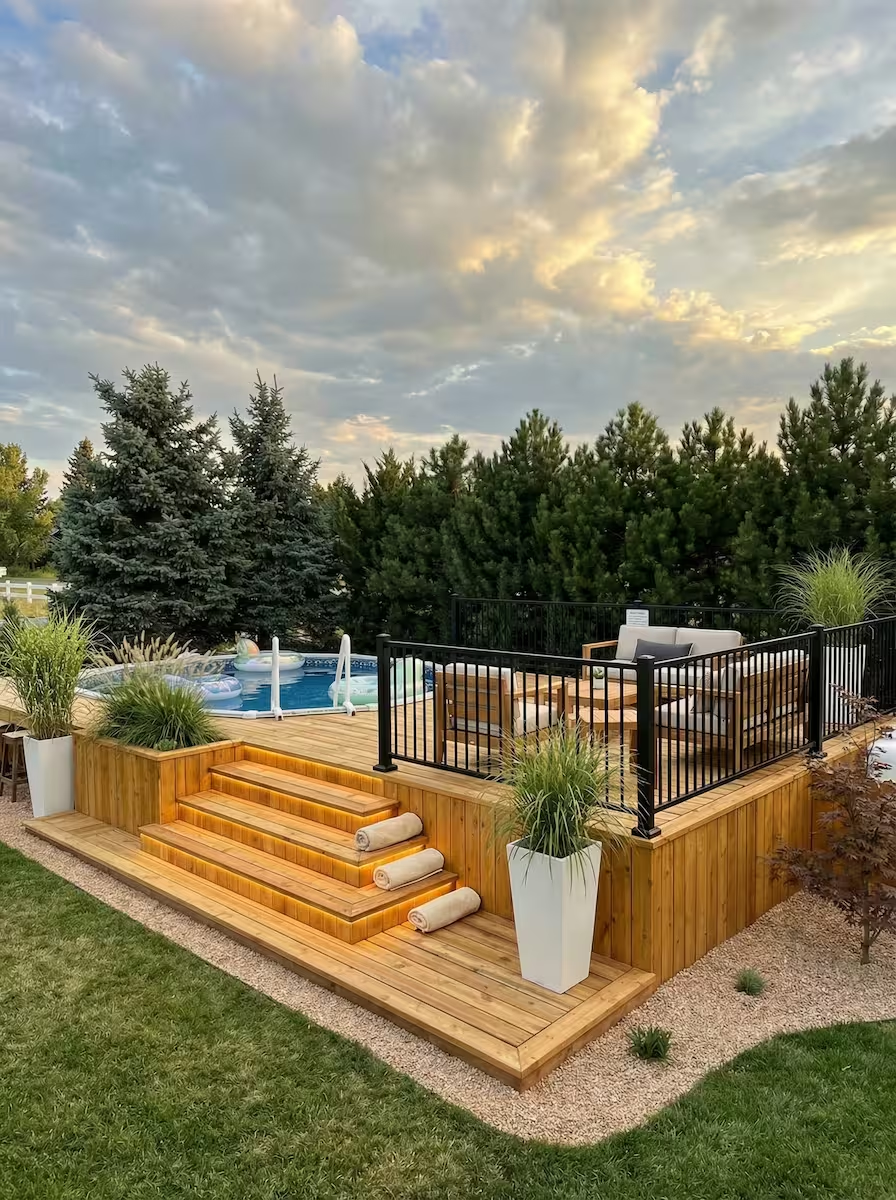
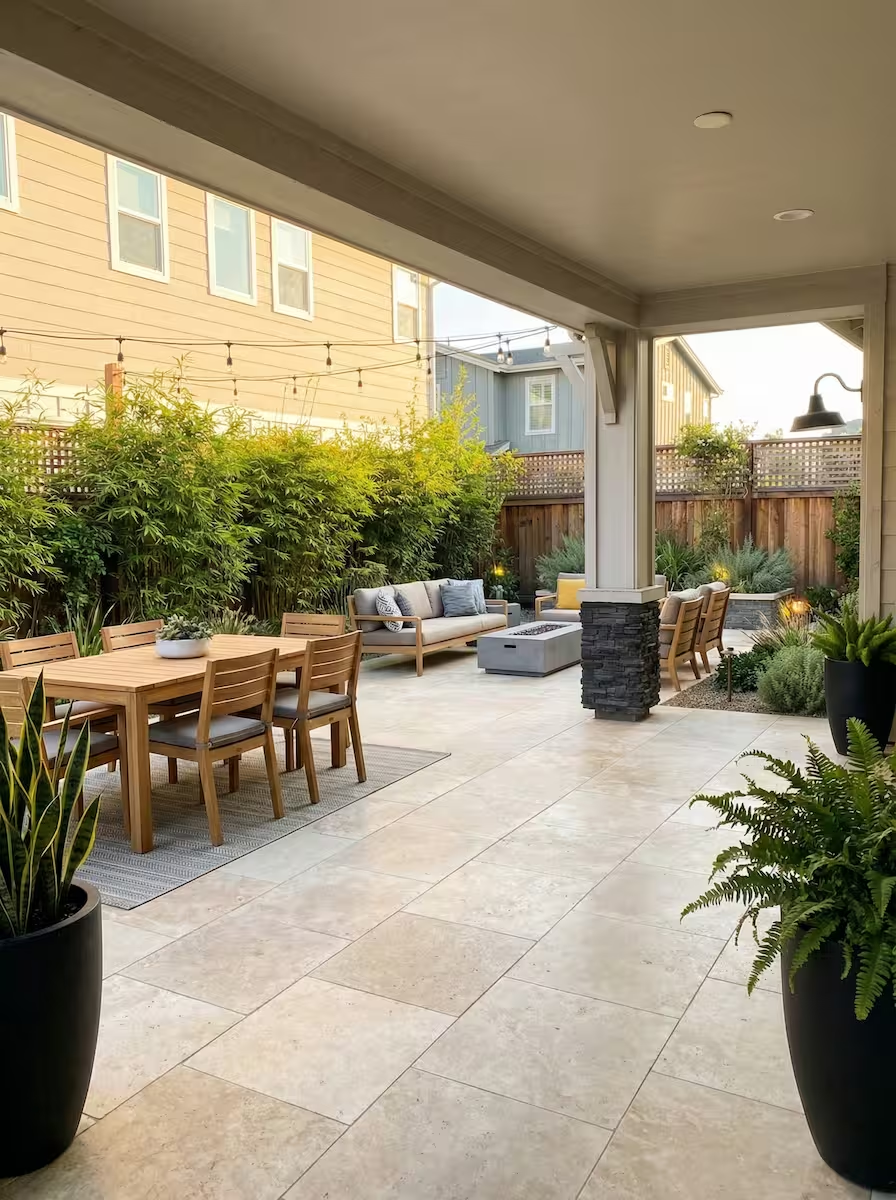
Colorado Landscape Design: How to Build a Yard That Survives the Altitude, the Sun, and the Snow
Colorado landscape design built for altitude, snow, and drought. Learn how elevation, water rules, and freeze-thaw cycles shape a yard that lasts year-round.
Introduction
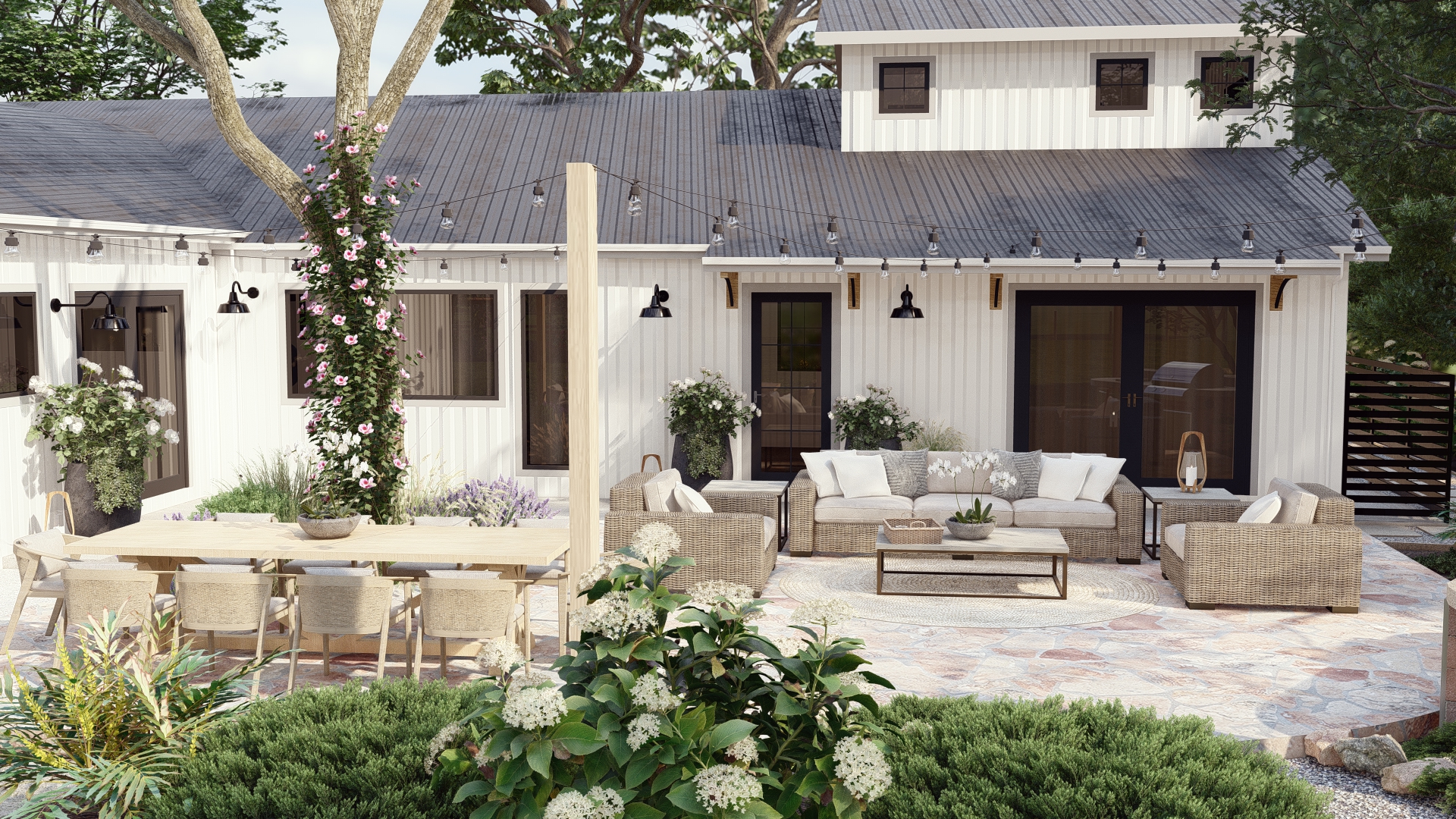
Most online landscape design advice assumes you live in a very forgiving climate, but Colorado does not play by those rules. Up here, you deal with intense ultraviolet rays at high elevation, sudden snowstorms in late May, and soil that behaves like solid concrete one day and loose sand the next. The good news is that none of this means you cannot have a stunning outdoor area. It simply means that your design decisions carry a lot of weight. You cannot just copy a look from a generic magazine and hope for the best. To get a functional yard that lasts, you need a smart strategy for Colorado landscape design that works with the local environment instead of constantly fighting it.
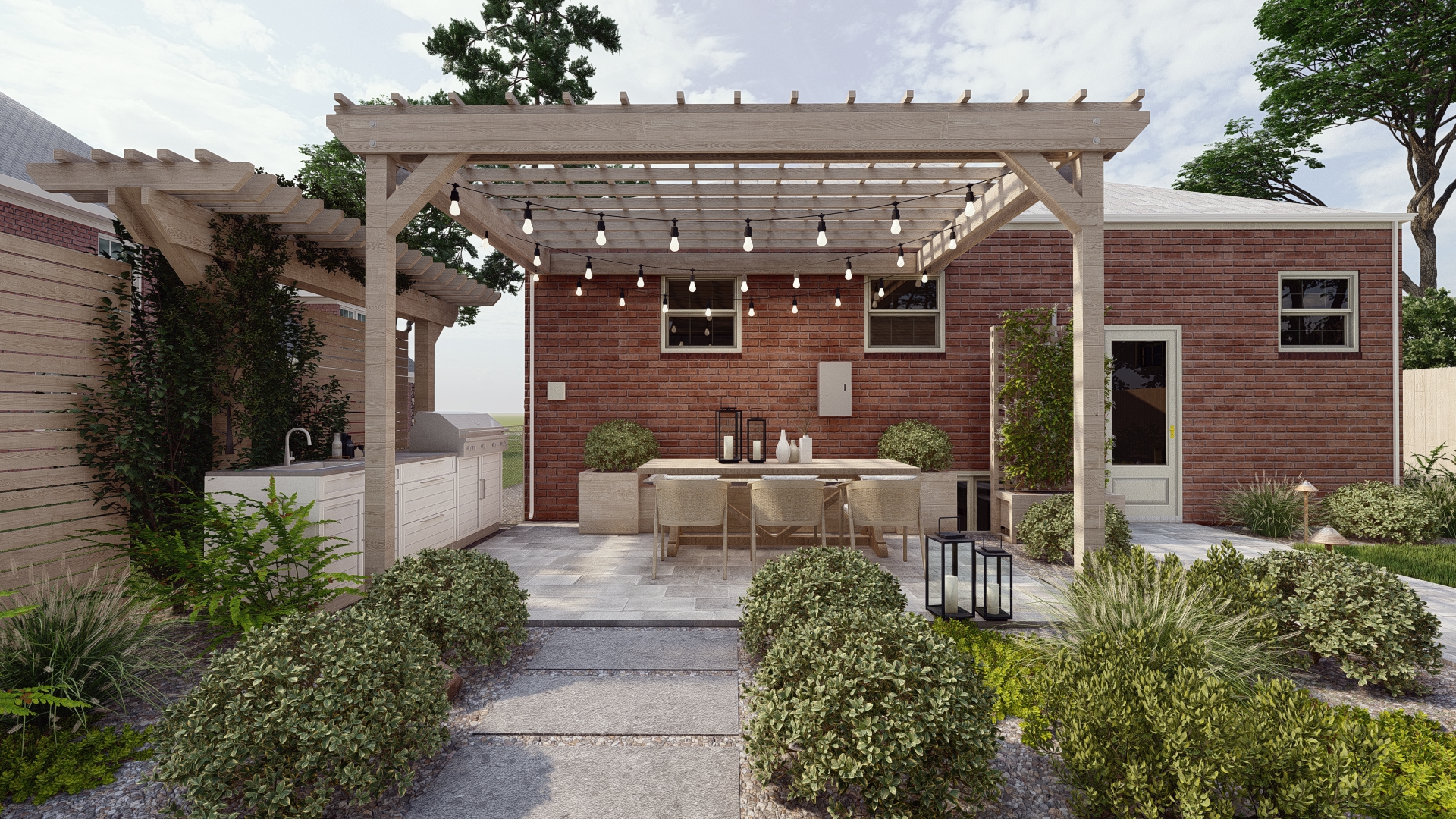
Understanding the specific conditions your property operates in allows you to build a plan that takes every environmental variable seriously from the start. When you design with the local elevation, water limits, and winter cycles in mind, you end up with a beautiful space that is genuinely usable for more of the year than most people across the country would believe.
Altitude Changes Everything, Starting With Your Plants
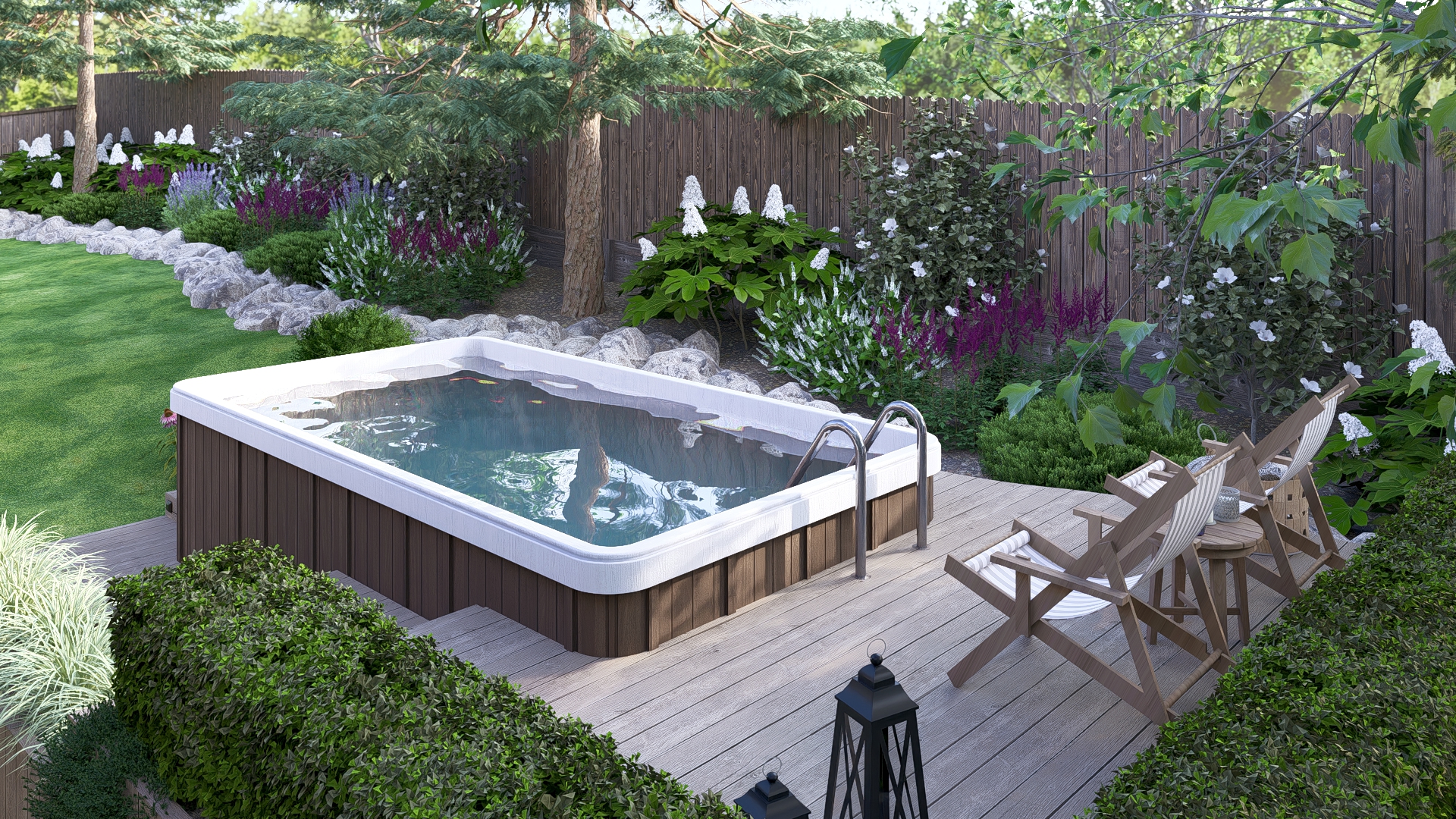
The elevation of your property is far more than just a scenic backdrop. It is a major design variable that dictates exactly what will survive on your land. When you live between 5000 and 8000 feet above sea level, the ultraviolet light is incredibly intense, the temperature swings between afternoon and evening are massive, and the air is bone dry. Many plants that look perfectly fine on a national hardiness zone map will still fail in a high-altitude Colorado yard because those charts do not factor in the burning sun or the intense freeze-thaw cycles that can heave shallow roots right out of the ground. This dry climate also means that winter watering is an absolute necessity to ensure the long-term health and survival of your trees and shrubs throughout the freezing months.
Along with this, you will save a lot of money and frustration by focusing on native and altitude-proven varieties like Blue Grama grass, Rocky Mountain Penstemon, yarrow, catmint, Apache plume, serviceberry, and aspen trees for your canopy.
Water Is the Central Design Question in Colorado
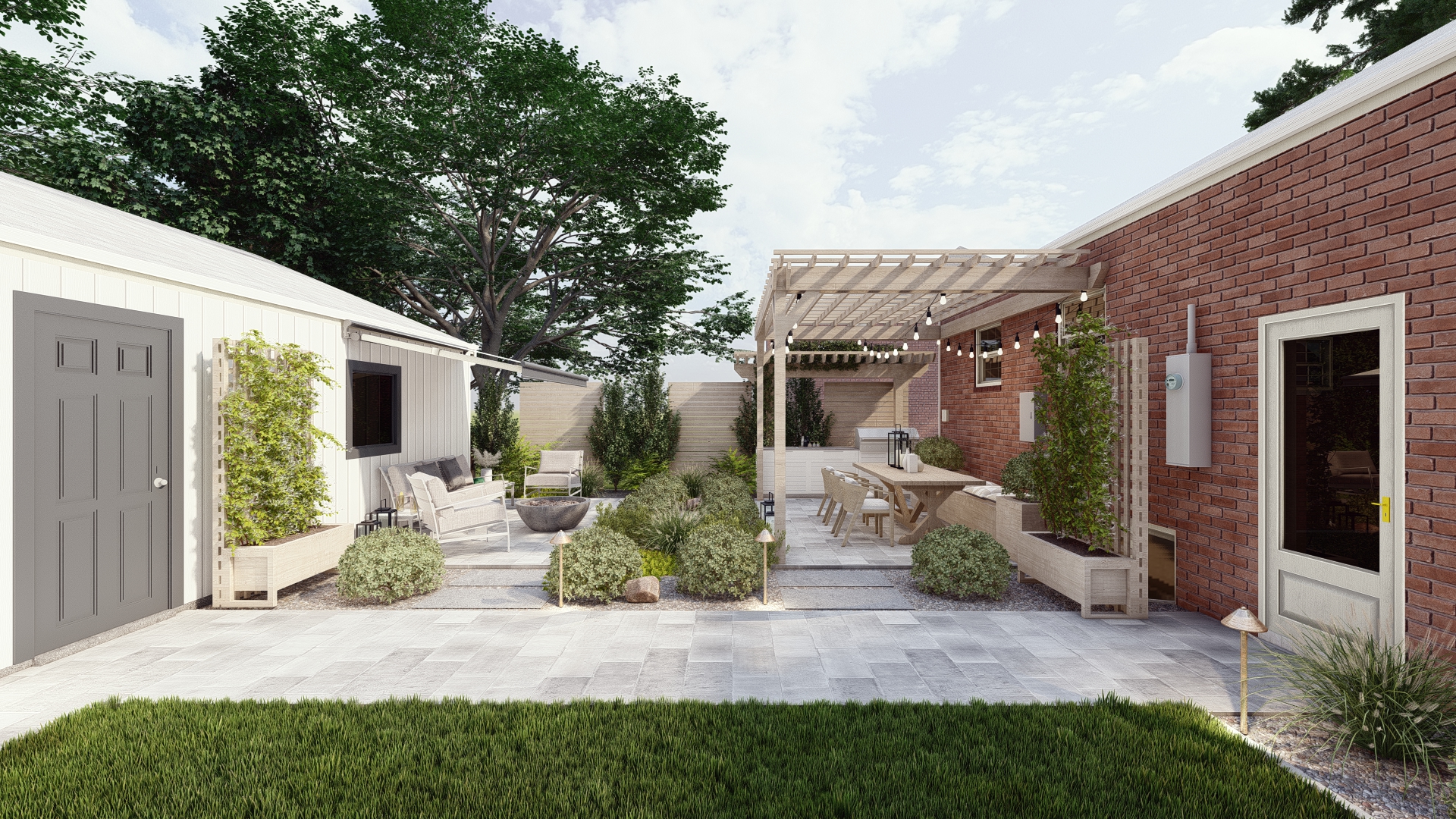
Water is the single most important element to map out when planning your landscape. Because of the semi-arid climate and ongoing drought conditions across the Front Range, water efficiency is a practical necessity. Many cities and neighborhoods now enforce strict xeriscaping rules or water budgets, which means your choice of irrigation zones, plant groupings, and lawn size must be intentional from day one.
Traditional turf grass takes a massive amount of water to stay green during a hot July. Bluegrass lawns can survive, but the utility bills are often staggering. Choosing low-water native alternatives like Buffalograss or Blue Grama grass allows you to keep a soft green space without draining your wallet. To make this switch even more appealing, many cities across the state now offer financial rebates if you choose to replace your high-water lawn with artificial turf or xeriscaping, making the transition as good for your budget as it is for the local environment.
A homeowner in Fort Collins decided to replace a thirsty front lawn with a low-water layout featuring decomposed granite paths, native bunchgrasses, and colorful perennials. Their outdoor water usage dropped significantly, and the local homeowners' association approved the layout immediately because it aligned with the city's water guidelines. Understanding these municipal landscaping requirements during the initial planning phase keeps your project moving forward without unexpected legal roadblocks.
Your Hardscape Has to Survive Colorado Winters
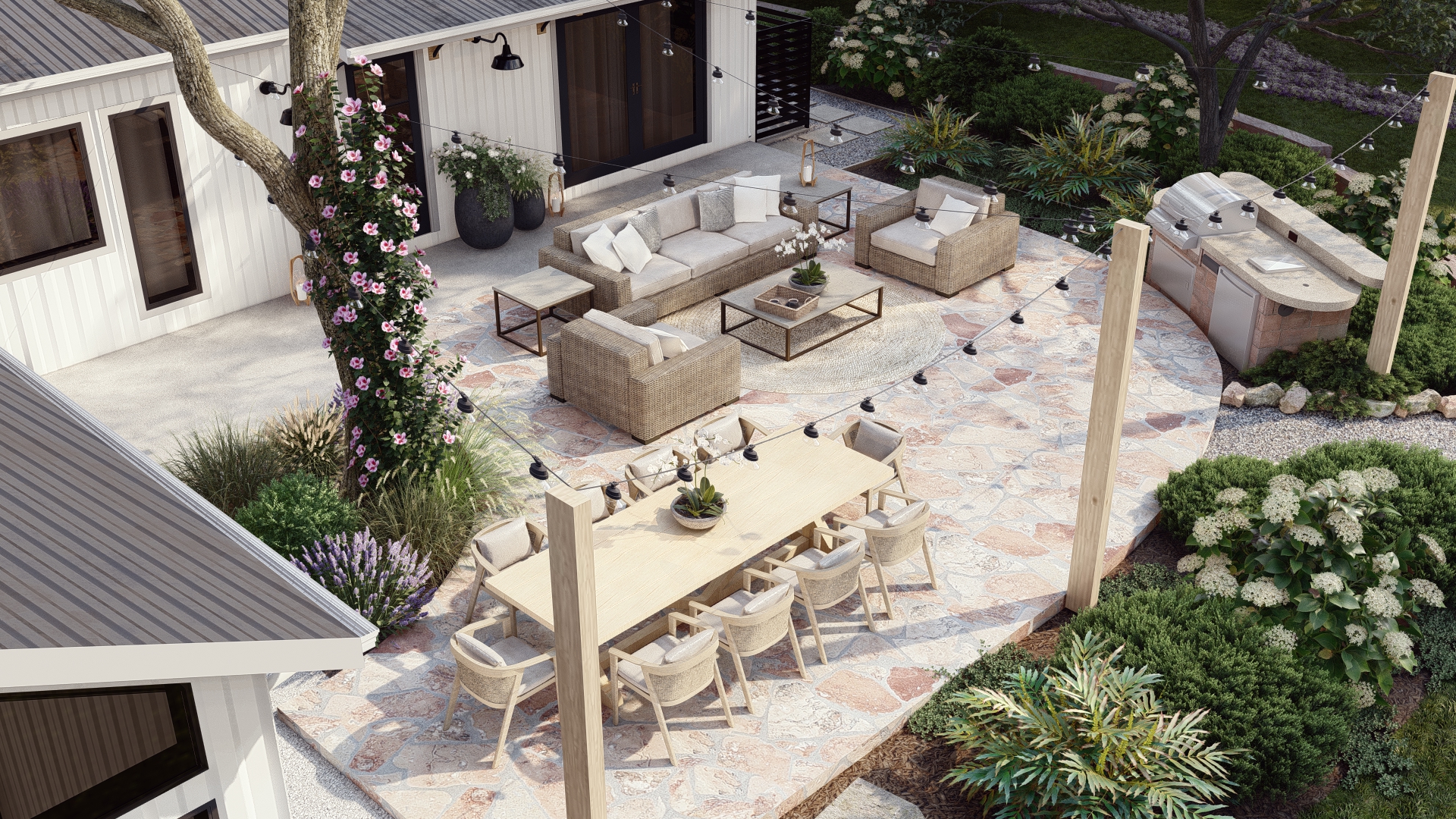
Winter weather can be incredibly destructive to patios, walkways, and retaining walls if the design layout cuts corners on the preparation. The main culprit is freeze-thaw cycling. When winter moisture seeps into pavers, concrete, or mortar joints, it turns to ice and expands. Over a single winter, this constant expansion and contraction can easily break apart poorly installed materials.
To avoid this, your design must specify concrete pavers with the correct joint spacing, perfect base compaction, and natural flagstone set with the right gaps. You also have to think about snow removal when the yard is dry in August. A patio might look beautiful in the summer. Still, it will become a major headache in January if you have no logical path to shovel the snow, no durable edges to handle a blade, and no designated area for the snow pile to melt safely away from your foundation.
The Season Windows Are Short, So Design for All of Them
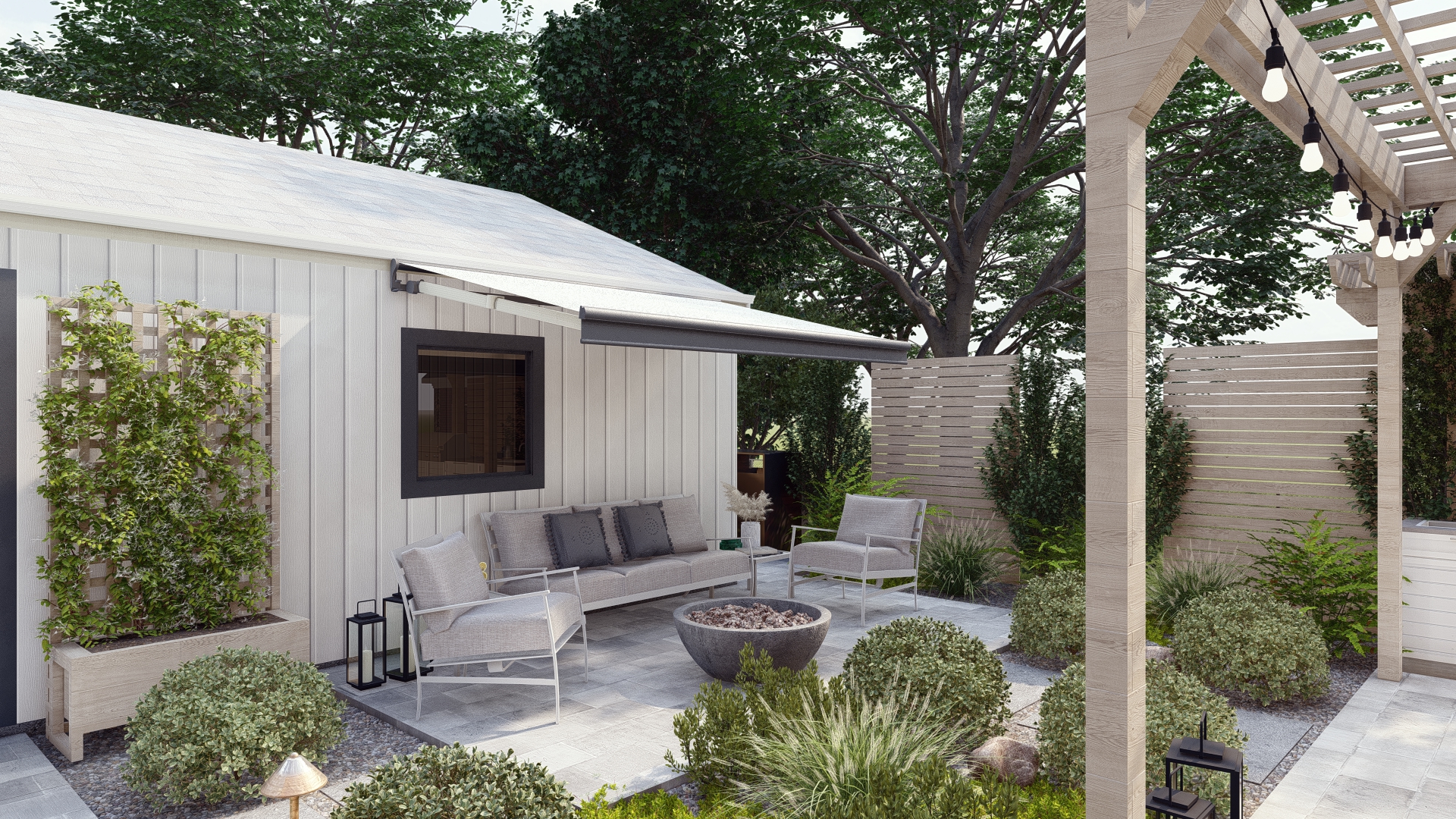
The outdoor season in this state is spectacular, but it does not last forever. For communities along the Front Range, the peak window for comfortable outdoor living usually runs from May through October, and that window gets even tighter as you move up into the mountains. Because your time outside is concentrated into these months, the design of that space becomes even more critical.
Adding a covered pergola or a permanent patio roof helps extend your usable time on both ends of the season. A fire feature is not just a luxury to look at; it is a functional tool that keeps you comfortable from September through late autumn. You also have to design for the heavy, wet snowstorms that frequently arrive in April and May. Any shade structure needs to be engineered to hold heavy snow loads, and any plants placed beneath the roof overhangs must have a dedicated water source since they will be blocked from natural rainfall.
Front Range, Foothills, Mountain Town: Colorado Is Not One Climate
It is easy to talk about the state as one single region, but designing a yard in Denver at 5000 feet is completely different than designing a yard in Breckenridge at nearly 10000 feet. Even within the local Front Range suburbs, a south-facing slope in Castle Rock deals with far more intense sun than a flat, shaded lot in Lakewood.
If your landscape plan does not account for your exact microclimate, elevation, and wind exposure, it is based on generic assumptions that will cost you money down the road. The direction your yard faces and the way wind moves across your property determine what will grow and where people will want to gather.
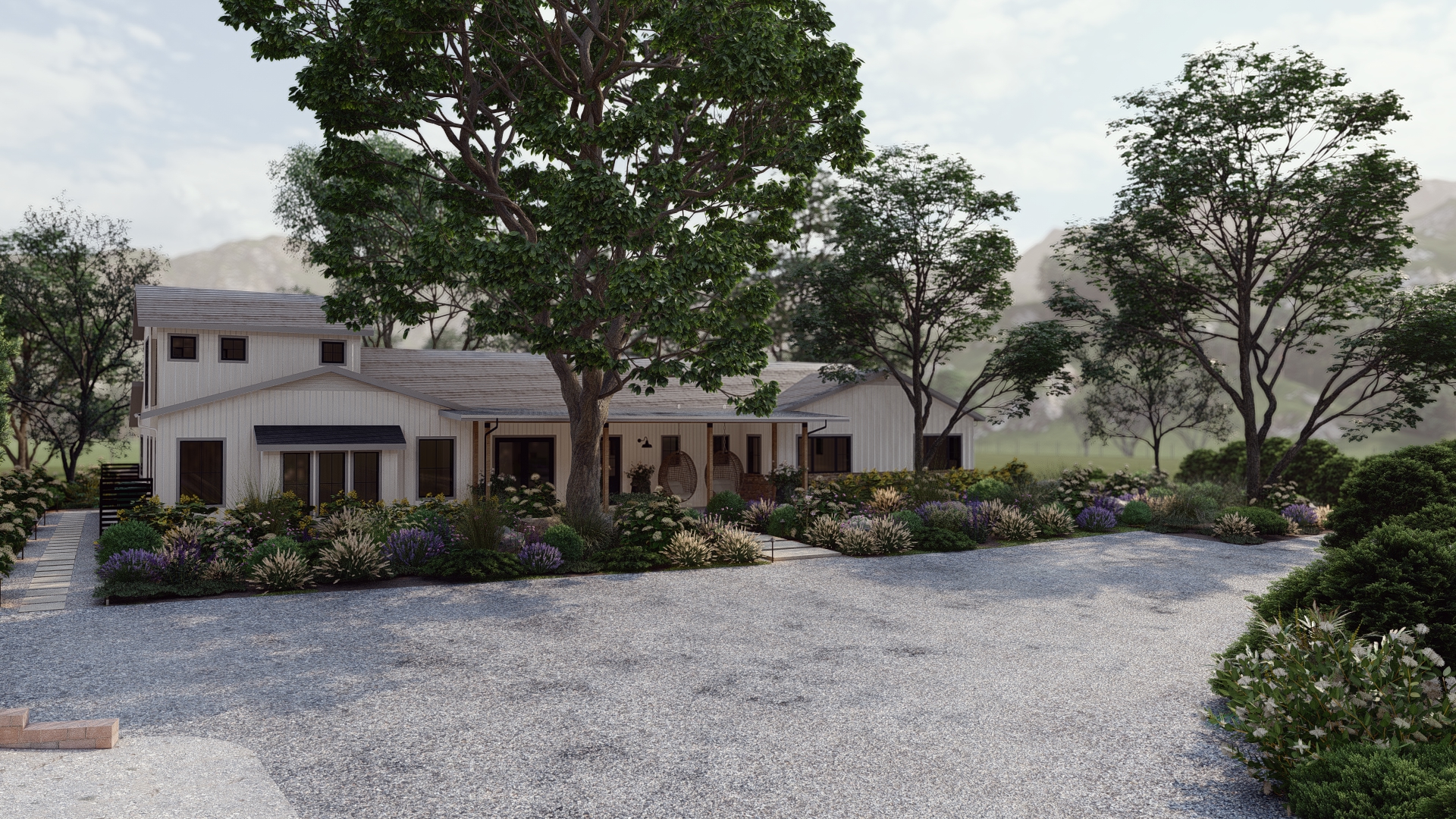
Many homeowners spend their winters looking through the windows, simply waiting for the weather to cooperate so they can enjoy their yard. A thoughtful layout completely changes that dynamic. It gives you an outdoor space that remains functional for more months out of the year, looks beautiful even when a fresh layer of snow blankets the ground, and does not demand a constant battle against nature every spring.
Book a consultation with a BACQYARD designer today and tell us exactly where your property is located in Colorado. We will create a custom design plan tailored to your precise elevation, local climate zone, and exactly how you want to enjoy your outdoor life year-round.
Related Articles
.png)





Ready to co-design your outdoor space?
Start now—secure checkout, no hidden fees. Prefer to talk first? We’re happy to meet you.